

 Medically Reviewed
Skin & Hair Health
Keratosis Pilaris: Causes, Symptoms, and Treatment
Keratosis pilaris, aka "chicken skin," shows up as tiny, rough bumps on your arms, thighs, or cheeks. It’s harmless but common — just clogged hair follicles acting up! Here’s how to smooth things out.
Mar 30, 2026
•5 min read
Share Article

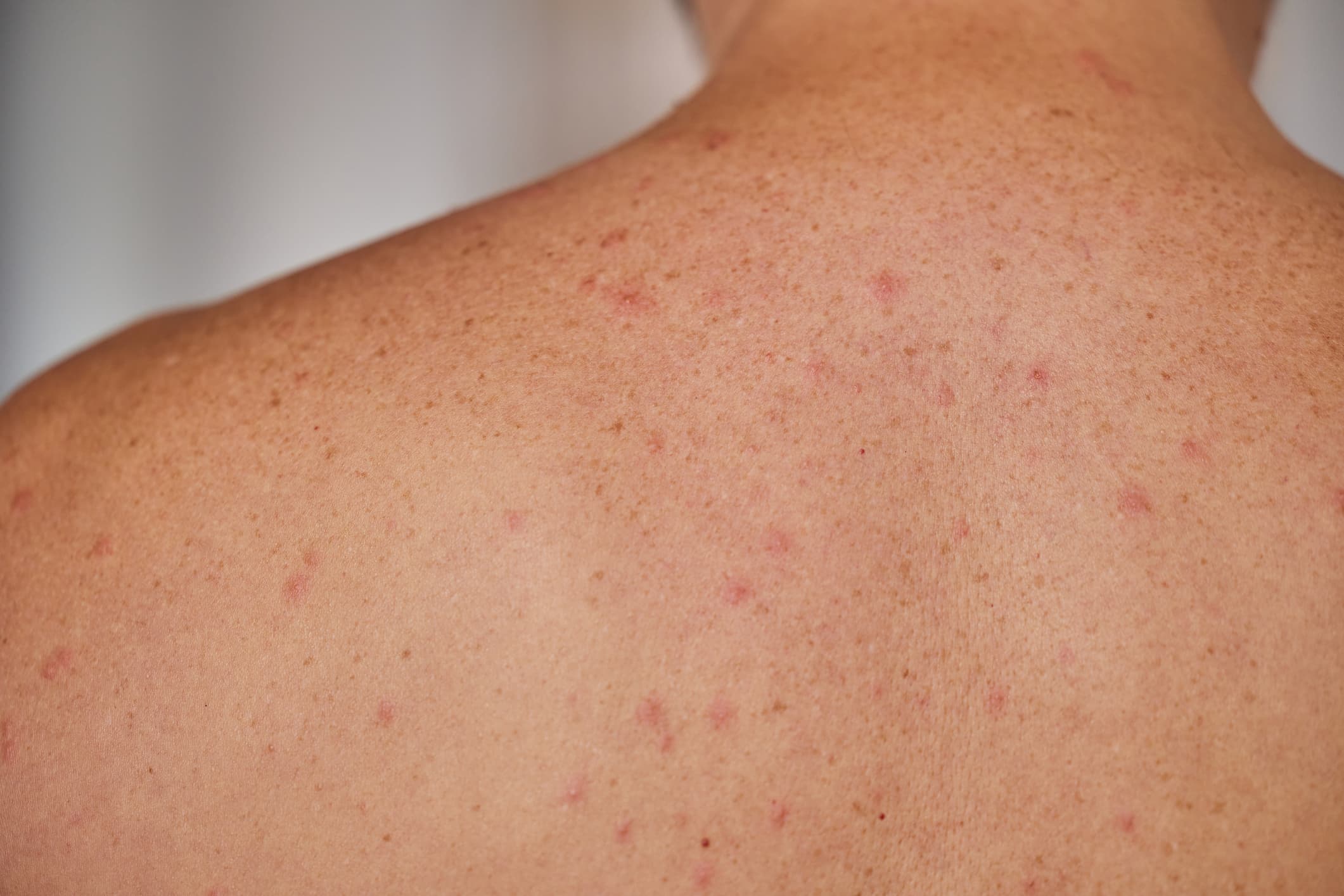
Keratosis pilaris is a benign condition affecting millions worldwide. It causes small, rough bumps on the upper arms, thighs, cheeks, and buttocks, thus causing aesthetic concern to most people affected. This usually painless and harmless condition can often affect self-confidence and the overall appearance of the skin. Often referred to as "chicken skin" because of its usual appearance, this condition is much more common in children and adolescents but may persist into adulthood for some.
What is keratosis pilaris?
Keratosis pilaris is a harmless skin condition that happens when keratin (a protein in the skin) clogs hair follicles, creating tiny, rough bumps—often called "chicken skin." These bumps make the skin feel dry and sandpapery, but they’re not dangerous.
It’s genetic, meaning it often runs in families, and it’s more common in people with dry skin or conditions like eczema. While it may not be the most aesthetically pleasing, it’s manageable with the right approach!
Symptoms of keratosis pilaris: How it appears
Even if you don’t feel discomfort at first, keratosis pilaris often makes its presence known through visible changes on the skin. Recognising these signs early can help you manage the condition effectively.
- Small, rough bumps: The most noticeable sign is the appearance of tiny, raised bumps, often on the upper arms, thighs, cheeks, or buttocks. These bumps can feel like sandpaper to the touch.
- Redness or inflammation: The affected areas may show mild redness or irritation, especially if the skin is dry or scratched. This can make the bumps more visible.
- Dry, flaky skin: The surrounding skin often becomes dry and rough, which can accentuate the bumpy texture. Regular moisturising can help reduce this appearance.
- Skin texture changes: Over time, the skin may develop a slightly thickened or uneven texture, giving it a rough, patchy look.
- Occasional itching: Some people experience mild itching or discomfort, particularly when the skin is dry, although keratosis pilaris is generally painless.
Worsening in colder months: The bumps and dryness may intensify during winter or in low-humidity conditions, when the skin tends to lose moisture.
Keratosis pilaris affects approximately 40-50% of adults and up to 80% of adolescents, making it one of the most common benign dermatoses in the world.
Causes of keratosis pilaris: What triggers it?
While it may seem to appear out of nowhere, keratosis pilaris is often influenced by a combination of factors that affect your skin’s texture and health. Understanding these triggers can help in managing and reducing flare-ups.
- Genetics: A strong hereditary link makes keratosis pilaris more common in individuals with a family history of the condition. If your parents or siblings have it, you’re more likely to develop it.
- Excess keratin production: The condition arises when the skin produces too much keratin, a protein that protects the skin. This excess can clog hair follicles, leading to the characteristic bumps.
- Dry skin: People with naturally dry skin are more prone, as dryness worsens the rough texture and makes the bumps more noticeable.
- Seasonal changes: The bumps often flare up in colder months when humidity is low, causing the skin to dry out and the follicle blockages to become more prominent.
- Skin conditions and sensitivities: Individuals with eczema, allergies, or other skin sensitivities may experience more pronounced symptoms, as their skin barrier is more easily disrupted.
- Hormonal changes: Hormonal fluctuations during puberty or pregnancy can trigger or worsen keratosis pilaris, as they influence skin cell turnover and keratin production.
Who's more likely to develop keratosis pilaris?
Here are the major risk factors associated with keratosis pilaris:
- Genetics – Often runs in families; if a parent has it, chances are higher.
- Age – Common in childhood and adolescence; usually improves in adulthood.
- Medical conditions – More likely in people with eczema, allergies, or asthma.
- Hormonal changes – Puberty and pregnancy can trigger or worsen symptoms.
- Skin type – More frequent in those with fair or naturally dry skin.
- Climate – Dry, cold weather can make symptoms worse.
- Underlying health conditions – Certain genetic or metabolic disorders may increase risk.
Quick Fact
Keratosis pilaris is a harmless skin condition that happens when keratin (a protein in the skin) clogs hair follicles, creating tiny, rough bumps—often called "chicken skin."
Natural remedies to treat keratosis pilaris at home
Here are some simple home remedies to manage keratosis pilaris:
- Gentle exfoliation – Use a soft washcloth or mild scrub to remove dead skin cells and unclog hair follicles.
- Moisturise regularly – Apply hydrating creams with urea, glycerin, or ceramides to keep skin soft.
- Natural oils – Coconut oil can help smooth and nourish the skin.
- Humidifiers – Adding moisture to the air can prevent skin from drying out.
- Lukewarm showers – Avoid hot water and harsh soaps that strip natural oils.
- Dietary support – Omega-3-rich foods and proper hydration may improve skin texture.
With consistency and care, keratosis pilaris can be kept under control.
Consequences of untreated keratosis pilaris
Though harmless, keratosis pilaris can impact self-esteem, especially in teens and young adults, due to its rough skin texture. Persistent dryness may lead to irritation, sensitivity, or minor infections if the skin cracks. Some experience inflammation, discomfort, or temporary discolouration. The condition can worsen during puberty or pregnancy, adding emotional distress. While serious complications are rare, long-term management may be needed for cosmetic concerns.
Use a soft washcloth or mild scrub to remove dead skin cells and unclog hair follicles.
Embracing your skin's unique characteristics
Keratosis pilaris is a common, harmless skin condition that mainly affects appearance rather than health. Understanding it helps manage symptoms effectively through skincare, simple treatments, and a positive mindset. With the right care, most people can improve their skin’s texture. Consulting a dermatologist can offer personalised solutions for better confidence and comfort.
Frequently Asked Questions
1. How do you get rid of keratosis pilaris?
Regular exfoliation, certain creams for moisturising, and gentle exfoliants all help improve the condition of keratosis pilaris. This can help to minimise its appearance and symptoms.
2. What can be mistaken for keratosis pilaris?
Folliculitis, eczema, allergic skin reactions, and some fungal infections may appear similar to keratosis pilaris. Therefore, a proper dermatological diagnosis is required for proper treatment.
3. What causes keratosis pilaris?
The causes of the development of keratosis pilaris include genetic predisposition, hormonal changes, dry skin, climate conditions, age, underlying skin conditions like eczema, and hereditary factors.
4. Is it okay to squeeze keratosis pilaris bumps?
Squeezing keratosis pilaris bumps is inadvisable as it can cause irritated skin, potential scarring, inflammation, and worsening of the appearance of the lesion and the skin texture as well.
Share Article
Related Articles
May 27, 2026
•4 min read
Medically ReviewedHow to Remove Blackheads from Nose: Effective Methods and Tips

Mar 31, 2026
•6 min read
Medically ReviewedHow to Keep Skin Hydrated: A Complete Guide for All Skin Types
Mar 30, 2026
•6 min read
Medically ReviewedHair Follicles Acting Up? Here’s All About Folliculitis