

 Clinically Reviewed
Female Reproductive Health
Strength Training For PMOS: Complete Guide & Workout Plan
Jun 12, 2026
•7 min read
Share Article

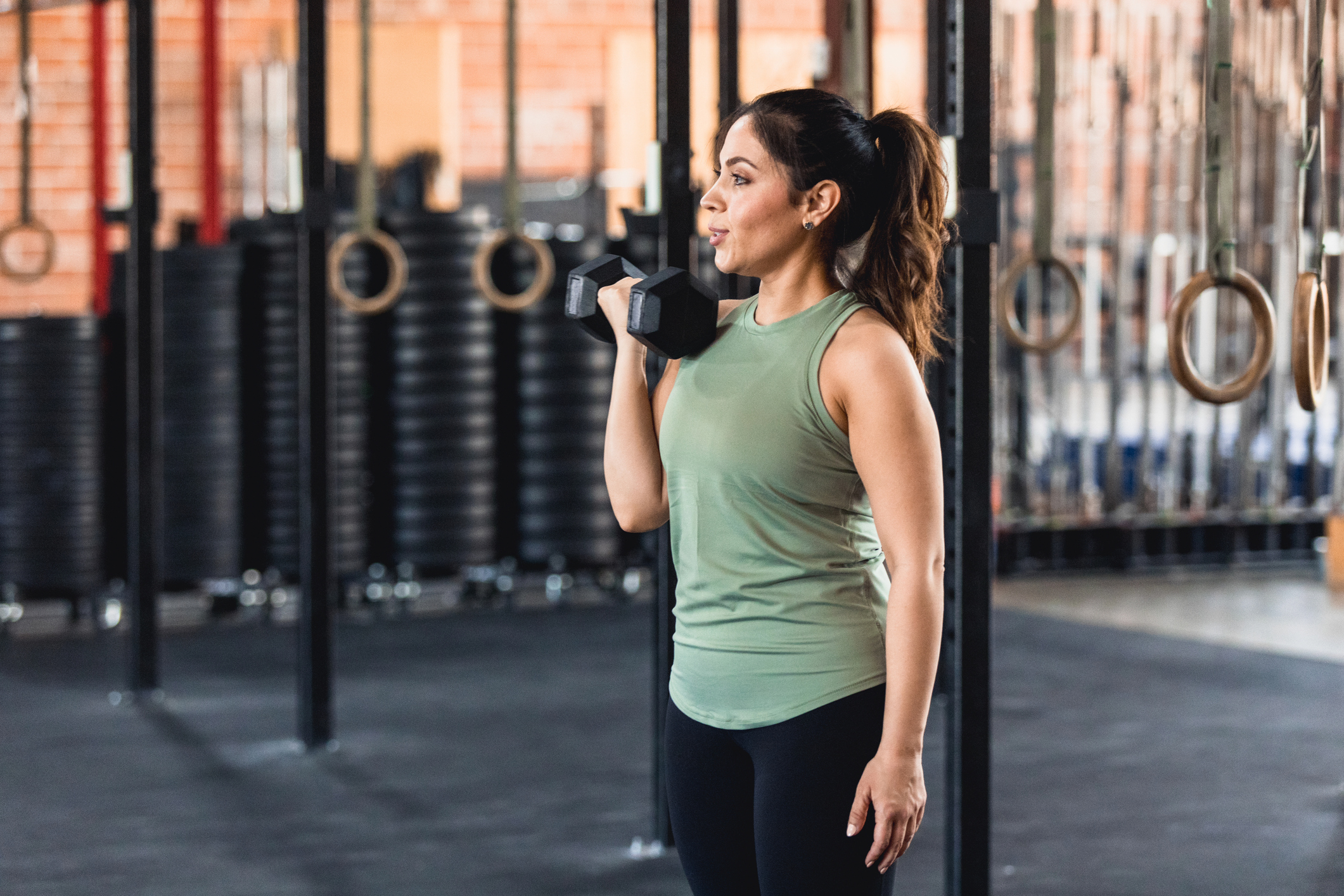
Honestly, when it comes to PCOS (now called PMOS), fitness advice can often feel overwhelming. Some experts suggest sticking to cardio, while others recommend heavy lifting, and somewhere in between, the message gets lost.
But here's the truth: your body doesn't need extremes — it needs balance. That's exactly where PMOS and strength training come together as a powerful and sustainable approach.
This isn't about spending hours in the gym or chasing unrealistic goals. It's about building strength, supporting hormonal balance, and feeling more in control of your energy levels and overall well-being.
What is PCOS, and why does exercise matter?
Polycystic Ovary Syndrome (PCOS), now called Polyendocrine Metabolic Ovarian Syndrome (PMOS), is a common hormonal condition that affects how the ovaries function. It can disrupt hormone levels, affect metabolism, and influence overall health and well-being. Many women with PCOS experience changes in energy levels, difficulty managing their weight, and challenges with how their bodies process glucose.
Regular exercise plays an important role in managing these effects. Physical activity helps improve insulin sensitivity, supports hormonal balance, and contributes to better overall health.
Regular exercise can also help ease symptoms and support metabolic function in women with PMOS. This is why incorporating regular movement — particularly strength training — can be an important part of a sustainable, long-term approach to managing the condition.
Why is strength training beneficial for PCOS?
Strength training offers several advantages over other forms of exercise. It helps build muscle mass, which improves the body's ability to use glucose more effectively. It also supports a healthy metabolism and may help reduce insulin resistance in women with PCOS. Additionally, strength training can improve body composition and increase resting metabolic rate, meaning the body burns more energy even at rest.
Resistance training also enhances insulin sensitivity and supports better hormonal balance. This is what makes PCOS and strength training such a powerful combination for managing symptoms and improving overall well-being.
PCOS and strength training: What does the science say?
Scientific research suggests that resistance training can have a positive impact on metabolic health. By increasing muscle mass, it helps improve insulin sensitivity and may reduce excess fat accumulation.
Strength training can also support hormonal regulation, which is often disrupted in PCOS. Regular exercise may lead to improved energy levels and contribute to better overall health.
Several studies suggest that strength training delivers the best results when combined with a balanced lifestyle. This highlights the importance of following a well-structured PCOS strength training programme to achieve consistent and sustainable benefits.
Best types of strength training for PCOS
Different forms of strength training can be effective, depending on your fitness level and personal preferences. Some popular options include bodyweight exercises, resistance band workouts, and weightlifting.
Compound movements — exercises that engage multiple muscle groups at the same time — can make workouts more effective. Examples include squats, lunges, and push-ups.
These exercises help build overall strength while improving functional fitness, making everyday activities easier. The key is to choose activities that you enjoy and can sustain over time. When it comes to strength training for PCOS, consistency matters far more than intensity, especially when you're just getting started.
Did You Know?
Resistance training can enhance muscle mass, which enhances insulin sensitivity and decreases fat build-up.
PCOS strength training workout plan (beginner to advanced)
A well-structured PCOS strength training programme supports gradual progression and long-term consistency. While results may take time, this approach helps minimise the risk of injury and promotes safe, sustainable improvements over time.
Beginner workout plan (2–3 days/week)
Beginners should start with simple bodyweight exercises such as squats, lunges, and modified push-ups. These movements help build foundational strength while improving balance, stability, and coordination.
Workouts do not need to be lengthy. Sessions of 20–30 minutes are often enough when starting out. Rest days are equally important, as they allow the body to recover and adapt. The goal is to begin gradually, build confidence, and establish a routine that feels manageable.
Perform 2 sets of each exercise / 15 repetitions:
- Squats
- Lunges
- Sumo squats
- Heel raises
- Ab curls
- Leg lowerings for lower abs
Intermediate workout plan (3–4 days/week)
At this stage, resistance bands or light weights can be introduced to increase workout intensity. Exercises may include different squat variations, deadlifts, and upper-body strengthening movements.
These workouts are typically more comprehensive and target multiple muscle groups. This approach helps build muscle mass, improve strength, and enhance overall endurance.
Use light- to medium-resistance bands or 2–5 kg dumbbells/weight cuffs. Perform 2 sets of 15 repetitions or 3 sets of 10 repetitions:
- Front, side, and backward leg raises (standing or lying down)
- Clamshell exercises
- Weighted ab curls
- Knee-to-chest leg raises with ankle weights
- Upper-body routine using weights of at least 2 kg
Advanced workout plan (4–5 days/week)
Advanced routines can incorporate more complex exercises and heavier weights. Training may be divided into different sessions that focus on specific muscle groups throughout the week.
A progressive overload approach — gradually increasing resistance and intensity over time — helps maximise results. Consistency and proper form remain essential for achieving long-term strength and fitness goals in women with PCOS.
- Increase weights by 1.5–2 kg each week, as tolerated
- Increase to 3 sets of 15 repetitions
- Perform the routine daily or at least 3 times per week after progressing to heavier weights
Weekly PCOS strength training schedule example
Strength training for PCOS becomes easier to follow when organised into a weekly routine, as it provides structure and consistency. A simple schedule could include strength training on alternate days — such as Monday, Wednesday, and Friday — with a focus on full-body workouts. The remaining days can be dedicated to light activities such as walking, stretching, or complete rest to support recovery.
This balance allows muscles to repair and grow while helping you stay active throughout the week. Over time, a structured PCOS strength training workout plan can improve strength, energy levels, and overall metabolic health without causing excessive fatigue or burnout.
Tips to get started with strength training for PCOS
The following tips can help you begin your strength training journey safely and effectively:
- Start with basic bodyweight exercises such as squats, lunges, and push-ups
- Focus on mastering proper form before increasing weights or intensity
- Begin with 2–3 sessions per week and avoid doing too much too soon
- Gradually increase resistance as your strength improves
- Include rest days to support muscle recovery
- Pair your workouts with a balanced diet to maximise overall results
Common mistakes to avoid
Getting started is important, but avoiding common mistakes is what helps you stay consistent and make progress. Even small setbacks can slow results or lead to frustration, particularly when beginning a strength training programme for PCOS.
Skipping warm-ups
Jumping straight into exercise without warming up can increase the risk of injury. A proper warm-up prepares the muscles for movement, improves flexibility, and helps enhance overall workout performance.
Lifting too heavy, too soon
Starting with weights that are too heavy can compromise form and increase the risk of strain or injury. It is better to begin with lighter resistance and gradually increase the load as strength and confidence improve.
Ignoring correct technique
Poor technique can reduce the effectiveness of an exercise and increase the likelihood of injury. Prioritising proper form ensures that the intended muscles are engaged and helps build strength safely and effectively.
Overtraining without rest
Training too frequently without allowing adequate recovery can lead to fatigue and hinder progress. Muscles need time to repair and adapt, making rest days an essential part of any successful strength training programme.
Quick Tip
Begin with lighter resistance and gradually increase the intensity as strength and confidence improve over time.
Strength training vs cardio for PCOS: Which is better?
Both strength training and cardio offer significant benefits, but they support the body in different ways. Strength training for PCOS focuses on building muscle mass, which can improve insulin sensitivity and support long-term metabolic health. Cardio, on the other hand, benefits cardiovascular health and helps increase calorie expenditure during exercise.
The most effective approach is often a combination of both. While cardio helps improve endurance and heart health, adding strength training creates a more balanced fitness routine that supports hormone regulation, energy levels, and body composition. Together, they may be more effective than relying on either form of exercise alone.
Diet and lifestyle tips to support strength training
The following habits can help you get the most out of your strength training routine:
- Consume protein-rich foods to support muscle growth and recovery
- Include fibre-rich foods to help maintain steady energy levels
- Stay hydrated throughout the day to support exercise performance
- Eat balanced meals before and after workouts
- Prioritise 7–9 hours of quality sleep each night
- Manage stress through relaxation techniques or mindfulness practices
- Limit processed and high-sugar foods
- Stay consistent with your exercise routine
Strength training: The key to managing PCOS
Starting strength training can feel unfamiliar at first, but it becomes easier with time and consistency. Once a routine is established, it feels less like a challenge and more like a natural part of daily life.
The goal is not perfection but consistency. Whether you begin with a simple beginner workout or follow a more structured PCOS strength training workout plan, every session contributes to your progress. Ultimately, strength training is about more than exercise — it is about feeling stronger, more balanced, and more in control of your health and well-being.
Frequently asked questions
1. Can people with PCOS strength train?
Yes, strength training is beneficial for people with PCOS. It may help support insulin sensitivity, hormonal balance, and muscle development. Starting gradually and staying consistent can lead to improved energy levels and overall health benefits.
2. What training is best for PCOS?
Resistance training combined with moderate cardio is a good option. Strength training may help with muscle development and metabolic fitness, while cardio supports endurance. A combination of both can form a balanced routine that helps manage PCOS symptoms.
3. What is the best workout routine for PCOS?
A good routine includes 3–5 days of resistance exercises with rest and light activity on other days. A gradual, structured strength training workout plan can support consistency and long-term health.
4. Should I lift weights with PCOS?
Yes, lifting weights can be beneficial for people with PCOS. It may assist in building muscle mass, supporting glucose regulation, and increasing overall strength. It is advisable to start with manageable weights and focus on correct technique. Always speak with your doctor before starting a new exercise programme.
Share Article