

 Medically Reviewed
Longevity
The Role of Plant-Based Foods in Healthy Ageing
Dec 17, 2025
•6 min read
Share Article

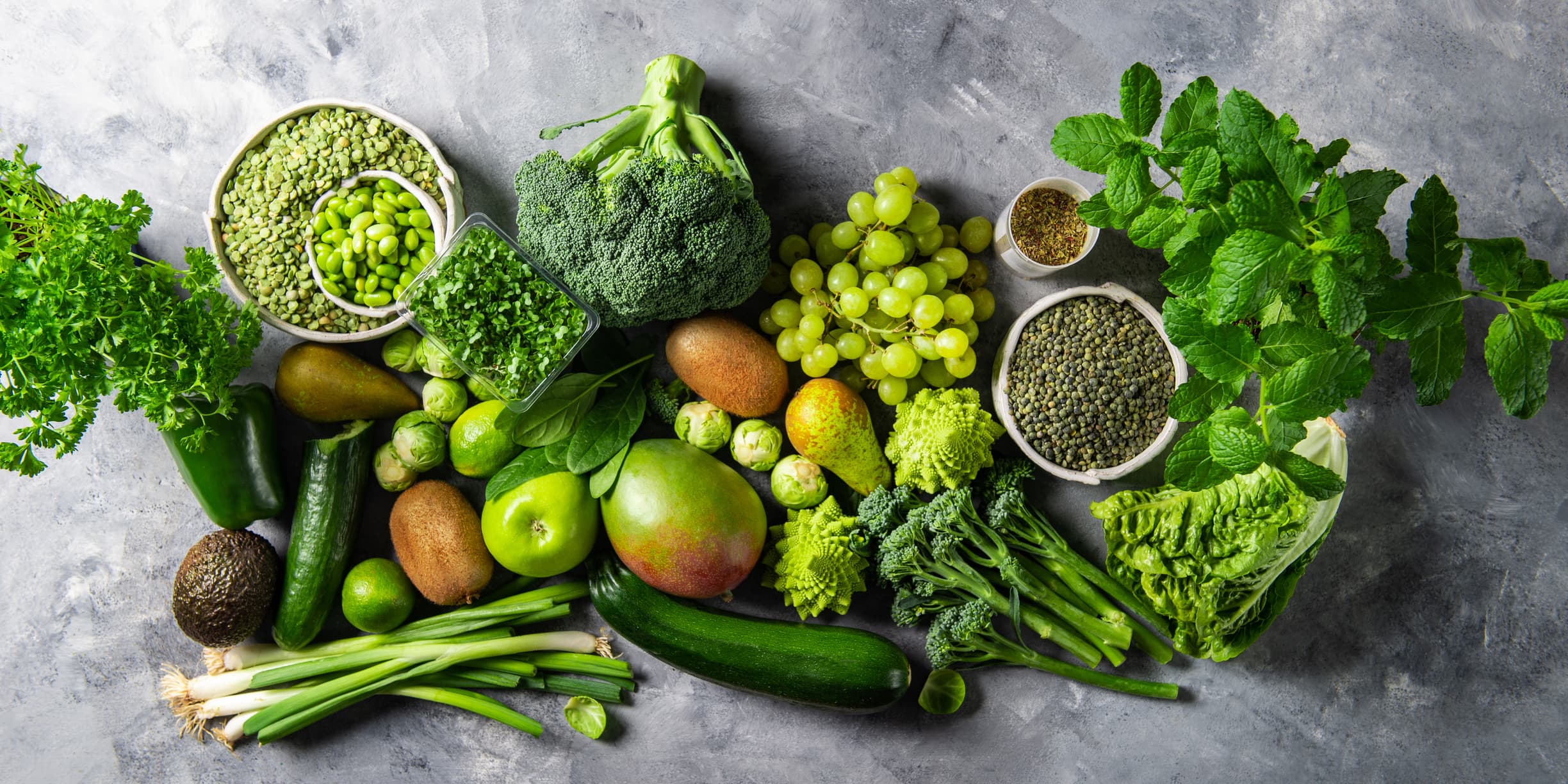
Our food preferences are just as varied as our personalities and cultures, so it’s okay if we don’t all agree to follow the same diets. In other words, you don’t have to go vegan to enjoy the benefits of veganism and plant-based foods. You also don’t have to be a vegan to consume more plant-based foods and recognise the benefits of doing so. Of course, making better choices for your health depends on having access to reliable and accurate scientific information. Here’s an unbiased look at the role of nutrition in healthy ageing, plant-based diets and longevity, the limitations of vegan diets, and how you can create a diet that works best for your health needs.
Why diet matters in longevity
Balanced nutrition is increasingly recognised as the cornerstone of better health, as poor-quality diets have been implicated in most modern lifestyle diseases. Globally, we have seen a shift towards higher consumption of ultra-processed foods, which contain saturated fats, trans fats, and sugar, high in calories but low in nutrition. This results in nutritional deficiencies and obesity, both of which have contributed to the rising rates of heart disease, diabetes, and cancer.
Animal-based foods, particularly red meats and processed meats, are also known to exacerbate this risk. Avoiding these foods and focusing on healthier alternatives can significantly lower the risk of such chronic diseases, potentially increasing life expectancy. This is why experts emphasise the importance of making small changes and adopting healthy diets for longevity.
Plant-based foods tend to have a high fibre content, which helps regulate lipid levels and blood sugar, reducing inflammation in the body.
Plant-based diet and longevity: What research shows
While scientists have long known that fresh fruits and vegetables are an important part of any healthy diet, we have only begun to understand the significance of plant-based diets for longevity in recent decades. Here are some key findings from recent research:
- Researchers from Germany found that plant-based diets improve long-term health and quality of life as they are associated with better metabolic profiles and lower inflammation. On the other hand, diets that include large amounts of meat and processed foods are linked with systemic inflammation, higher rates of chronic disease, and mortality.
- A study published in JAMA revealed that people who followed largely plant-based diets that were rich in whole foods tended to live longer as compared to those who followed meat-based diets. Their findings draw a connection between plant-forward diets and longevity, showing a 12% lower risk of mortality in both vegetarians and vegans, as compared to non-vegetarians.
- Large-scale reviews suggest that the benefits of a plant-based diet and longevity may not apply equally for all groups, as some studies show lower all-cause mortality for vegans, but others suggest no difference in life expectancy between vegans and health-conscious non-vegetarians.
It’s also important to note that plant-based diets are not necessarily vegan diets. They simply refer to diets that include fresh fruits and vegetables, whole grains, nuts, and seeds as the primary foods, while dairy products, eggs, fish, and poultry may be consumed in moderation. In fact, this is the dietary pattern seen in many parts of the world with the highest life expectancy, such as in Japan and the Mediterranean.
Diets high in antioxidant-rich foods are associated with healthy ageing and longevity, but these benefits are only reported when antioxidants are obtained from whole foods.
Nutrients in plant-based foods that support healthy ageing
The link between a plant-based diet and longevity is mainly associated with the nutritional complexity of fruits, vegetables, grains, nuts, and seeds. Typically, most plant-based foods contain a variety of vitamins and minerals, including vitamins A, C, E, beta-carotene, potassium, and magnesium. Together, they are vital for healthy ageing, as your body needs them for almost all processes, from metabolic to immune function. Additionally, plant-based foods are notable for their content of nutrients, including:
- Dietary fibre: Plant-based foods tend to have a high fibre content, which helps regulate lipid levels and blood sugar, reducing inflammation in the body. Research shows that higher intake of dietary fibre lowers the risk of heart disease, diabetes, and certain types of cancer.
- Unsaturated fats: Replacing saturated fats with unsaturated fats from foods like olive oil, nuts, and seeds improves blood lipid profiles and is linked to a significant reduction in the risk of heart disease, which is the leading cause of death worldwide.
- Polyphenols: These are organic compounds that give plant-based foods most of their healing properties, including antioxidant and anti-inflammatory effects. High intake of polyphenol-rich plant foods is known to lower the risk of heart disease, neurodegenerative decline, and other age-related problems.
- Antioxidants: These compounds protect against damage caused by free radicals, which occur as we age and with exposure to UV rays, pollution, and metabolic processes. Diets high in antioxidant-rich foods are associated with healthy ageing and longevity, but these benefits are only reported when antioxidants are obtained from whole foods.
Swap out unhealthy snacks with fresh fruits and pre-cut vegetables, using healthy dips like hummus.
Vegan diet and longevity: Benefits and considerations
The proven benefits of vegan diets include:
- Protection from chronic diseases: Vegan diets are linked to a reduced risk of cardiovascular disease, type 2 diabetes, and some cancers.
- Improved metabolic health: Studies show that whole food-based vegan diets improve insulin sensitivity, cholesterol levels, and problems with obesity.
- Reduced inflammation: Anti-inflammatory effects of plant-based foods are linked to reduced incidence and severity of chronic pain from inflammatory conditions like arthritis.
The main problem with vegan diets is that they are often extremely restrictive, increasing the risk of nutritional deficiencies. Studies report higher rates of deficiency in zinc, iron, calcium, vitamin B12, and omega-3 fatty acids among vegans because of the low content or poor bioavailability of these nutrients in plant sources. Maintaining adequate protein intake may also be problematic for vegans, especially in older adults who need more of this nutrient to limit age-related muscle loss.
Practical ways to add more plant-based foods for longevity
While the link between a vegan diet and longevity is far from conclusive, it’s clear that eating more plant-based foods is good for your health. Keeping this in mind, here are some helpful tips to add more plant-based foods to your daily diet.
- Don’t try to make big changes. Start small and keep increasing the amount of plant-based food in your diet gradually.
- Make it a point to only consume plant-based foods for at least one meal a day, such as oats or cereal for breakfast.
- Try to adopt the balanced plate rule, with half your plate filled with fruits and veggies, a quarter with whole grains, and the rest with protein (legumes, seafood, or poultry).
- Swap out unhealthy snacks with fresh fruits and pre-cut vegetables, using healthy dips like hummus.
- Plan your meals in advance so that you’re less likely to make unhealthy choices when already hungry.
Nourishing ageing the plant-powered way
A plant-based approach to eating offers a powerful, natural foundation for healthy ageing. By prioritising nutrient-dense fruits, vegetables, legumes, whole grains, nuts, and seeds, you give your body the antioxidants, fibre, and protective compounds it needs to thrive over time. These foods help reduce inflammation, support cellular health, and promote overall vitality as you grow older.
Frequently Asked Questions
1. Are plant-based diets proven to increase longevity?
While some studies suggest that plant-based diets increase longevity, others show no differences in life expectancy between vegans and non-vegetarians. Balanced diets that include plant-based ingredients as the primary food, while limiting lean meats and seafood as healthy sources of protein, appear to work best.
2. What are the limitations of a plant-based diet for longevity?
Plant-based diets are generally regarded as healthy, but vegan diets can be restrictive as they exclude large food groups, and this increases the risk of nutritional deficiencies, including protein. An exclusively plant-based diet must, therefore, be carefully formulated and may also need to be supplemented with fortified foods or multivitamins.
3. Does a plant-based diet have to be vegan?
No, a plant-based diet isn’t necessarily vegan. It simply means that the bulk of your nutrition should come from plant-based food sources, while animal-based foods should be limited. It’s also important to limit or avoid consuming ultra-processed foods, as most plant-based diet benefits are associated with whole foods.
Share Article