

 Medically Reviewed
Female Reproductive Health
What Causes Leg Pain in Endometriosis and How Is It Treated?
Jun 2, 2026
•5 min read
Share Article

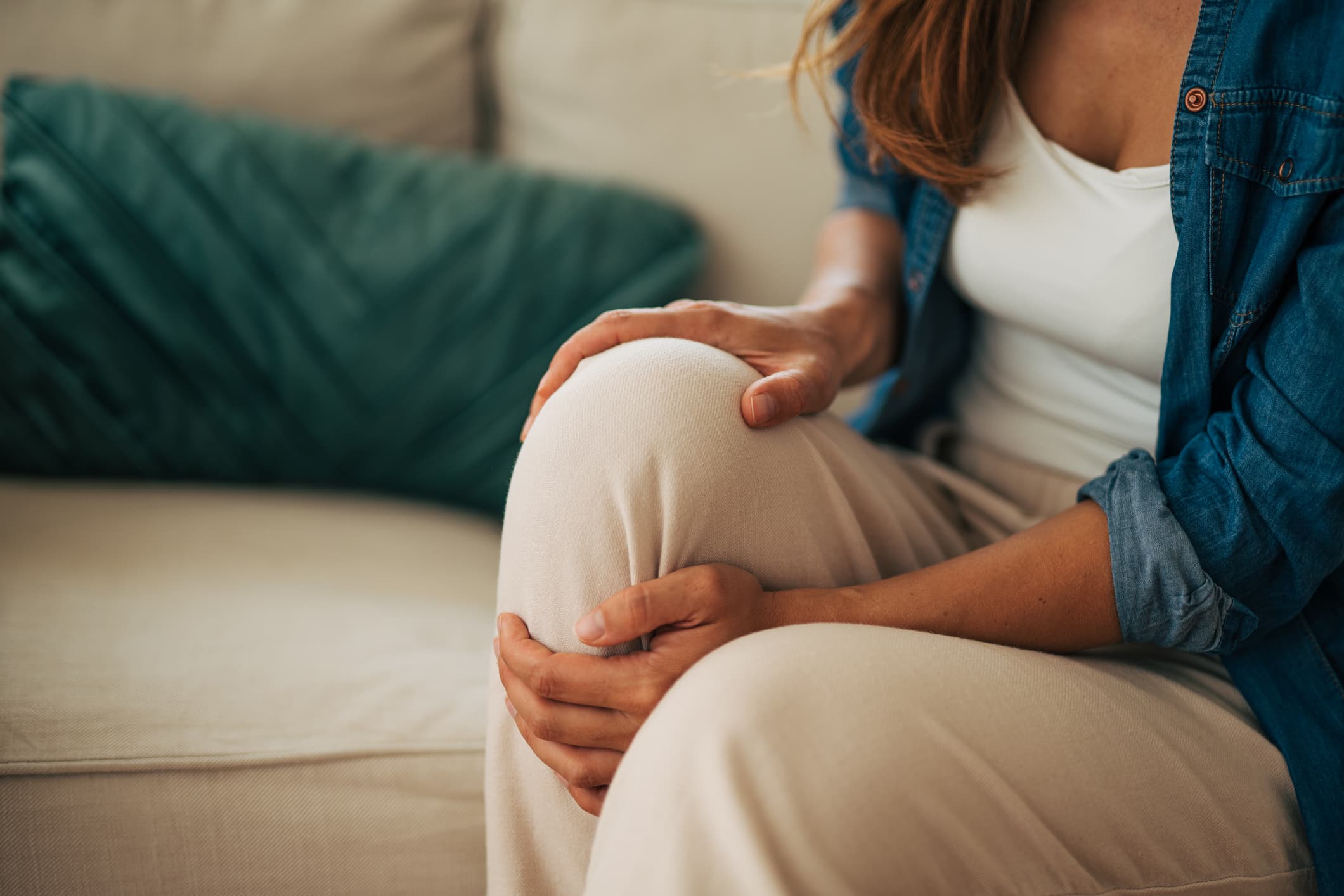
Most people associate endometriosis with severe period cramps, heavy bleeding, or pelvic pain. But for some women, the pain does not stay limited to the lower abdomen. It can travel down the hips, thighs, or even into the legs, making everyday things like walking, climbing stairs, or simply standing feel exhausting.
This happens because endometriosis can sometimes irritate or affect nearby nerves and tissues in the pelvis, leading to pain that radiates beyond the uterus. And because leg pain is not usually talked about as a "classic" symptom, it can feel confusing or easy to dismiss at first.
If you have ever wondered why endometriosis can cause leg pain, what it actually feels like, and what treatment options may help, this blog breaks it down in a simple way.
Can endometriosis cause leg pain?
Yes, endometriosis can sometimes cause leg pain, and it is more common than many people realise. This usually happens when endometriosis affects nearby pelvic nerves, especially nerves connected to the hips and legs, such as the sciatic, femoral, or obturator nerves. The tissue can irritate, inflame, or grow around these nerves, causing pain that travels down the legs.
For some women, the pain feels sharp, shooting, burning, or heavy, especially around their periods. Others may notice aching in the thighs, hips, calves, or lower back. Because it can resemble sciatica or muscle pain, endometriosis-related leg pain is often overlooked at first. One clue is that it may worsen during certain parts of the menstrual cycle.
Endometriosis leg pain occurs when tissue resembling the uterine lining develops outside of the uterus and affects nearby nerves.
What causes endometriosis pain to travel to the legs?
Endometriosis can sometimes affect nearby nerves and tissues, causing pain that travels into the hips, thighs, or legs.
Compression and irritation of nerves
One major reason behind endometriosis leg pain is irritation of pelvic nerves. Endometriosis tissue can grow around or affect nerves connected to the legs, such as the sciatic or femoral nerves. This can cause pain signals to travel down the thighs, calves, or legs, especially during menstruation.
Inflammation and increased sensitivity
Endometriosis is also linked to ongoing inflammation. This inflammation can make nearby nerves and tissues more sensitive, causing leg pain to feel sharper, more intense, or longer-lasting. For some women, the discomfort may continue even after their period is over.
Hormonal changes during the menstrual cycle
Hormonal fluctuations during the menstrual cycle can worsen inflammation and nerve sensitivity. This is why many people notice that their leg pain becomes more intense around their periods and may return in a cyclical pattern every month.
Location of tissue growth
Where the endometriosis tissue grows also matters. If the tissue develops close to nerves or muscles linked to the legs, it can trigger recurring pain in the thighs, hips, or legs during and around menstruation.

1 in 10
individuals of reproductive age globally are affected by endometriosis
Symptoms of endometriosis-related leg pain
The patterns of endometriosis-related leg pain can be diverse, although in many cases they share common features. The pain can feel like:
- Sharp or shooting
- Dull and aching
- Burning or tingling
- Radiating from the back down to the leg
Some women experience leg pain during their periods, while others notice it even after their period ends. In some cases, the pain in the thighs or legs may feel worse than the pelvic pain itself.
Other symptoms that may accompany endometriosis-related leg pain include:
- Lower back pain
- Pelvic pain
- Difficulty standing or walking for long periods
- Increased pain while sitting
One important clue is the cyclical nature of the pain — many women notice that it flares up around their periods and improves afterwards. In rare but more severe cases, nerve involvement may also lead to numbness, tingling, or weakness in the leg. If you experience any of these symptoms, it is important to speak with your doctor for a personalised assessment.
How common is endometriosis leg pain?
Endometriosis affects approximately 1 in 10 individuals of reproductive age globally. However, endometriosis leg pain is less commonly discussed and often underreported.
Studies indicate that nerve-related symptoms, including thigh pain during periods and leg pain after periods, occur in a smaller percentage of cases but are not rare. Many people may not immediately link leg discomfort with a pelvic condition, which delays recognition.
Because of this, endometriosis leg pain is sometimes misinterpreted as muscle strain or general fatigue. This makes awareness especially important.
If your leg pain follows a cyclical pattern — worsening around your period — it may be worth discussing endometriosis with your doctor.
How is endometriosis leg pain diagnosed?
Endometriosis leg pain can be difficult to diagnose, as it tends to resemble other conditions. Healthcare professionals will typically look at the full picture of symptoms, particularly whether the pain is linked to menstruation.
They may look for:
- Cyclical pain patterns
- A history of pelvic discomfort
- Leg or thigh pain around periods
Tracking symptoms over time can be incredibly helpful. Noting when pain occurs — such as leg pain after periods — can provide valuable clues for your doctor. A physical examination and imaging may also be used to understand the extent of the condition. Diagnosis, however, usually involves both clinical judgement and a detailed history of symptoms.
Since leg pain in endometriosis is nerve-related, it can be confused with other nerve-related problems. That is why a thorough medical history is so important. Always consult your doctor for a diagnosis tailored to your individual situation.
When to see a doctor
It is important to seek medical advice if:
- Pain interferes with daily activities
- There is persistent leg pain during your period
- Pain worsens over time
- There is numbness or weakness in the leg
Early consultation can help manage symptoms more effectively and prevent complications.
Frequently asked questions
1. How can endometriosis pain be managed?
While there is currently no permanent cure for endometriosis, pain may often be managed with a combination of medical treatment, lifestyle changes, physiotherapy, and pain management strategies tailored to the individual. Speak to your doctor for a plan that suits your medical history.
2. How to sleep with endometriosis pain?
Using supportive pillows, trying comfortable sleeping positions, and applying gentle heat may help reduce discomfort and improve sleep quality during painful flare-ups.
3. What does endometriosis leg pain feel like?
Endometriosis leg pain may feel sharp, shooting, burning, heavy, or achy. The pain can travel from the pelvis or lower back into the thighs, calves, or legs and often worsens around the menstrual cycle.
4. How is endometriosis diagnosed?
Diagnosis usually includes an assessment of symptoms, monitoring of menstrual cycles, and may involve imaging to identify potential signs of the condition. Your doctor will guide you through the most appropriate steps for your situation.
Share Article