
 Clinically Reviewed
General Health
Antibiotic Resistance in India: What Everyone Should Know
Antibiotics aren't the villain. Misuse is. And with 83% of Indians carrying resistant bacteria, it's high time we rethink how we treat common infections.
Dec 15, 2025
•1 min read
Share Article

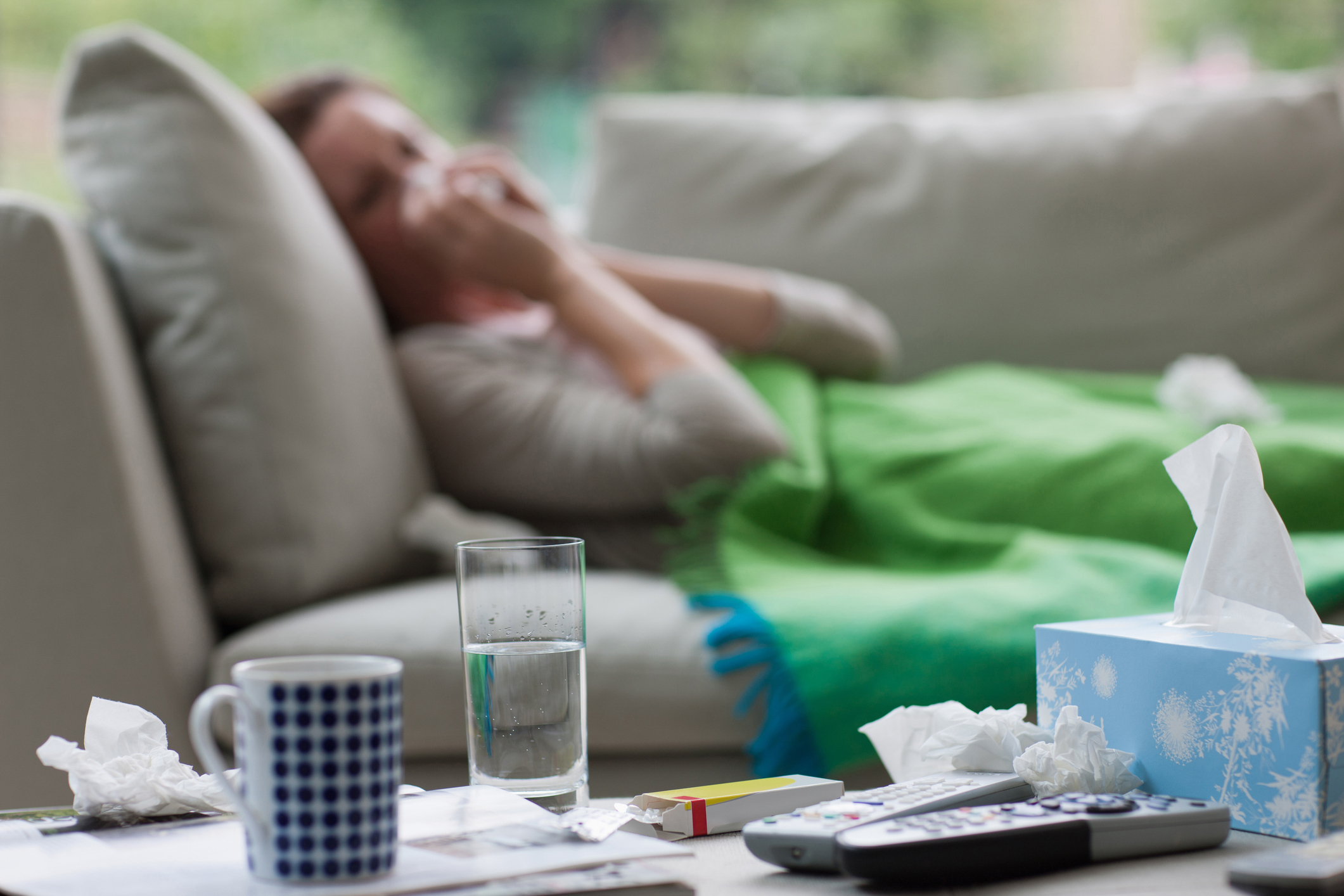
Antibiotics have transformed modern medicine. Infections that once led to serious illness or even death became treatable with just a course of pills. However, a not-so-distant crisis is unfolding around us today: antibiotic resistance.
Doctors are beginning to see infections that don't respond to the usual medicines. Recoveries are taking longer. And more people are walking into clinics with infections that are, well… stubborn.
But it's a story we can change. In this article, we'll break down how everyday habits create "superbugs", why this matters for families and communities, and the simple fixes that actually make a difference.
Did You Know?
The 2025 WHO report notes that bacteria such as E. coli, K. pneumoniae and Acinetobacter have emerged as major global threats, particularly because they are causing severe and stubborn bloodstream infections that can progress to sepsis and even death.
What is antibiotic resistance?
You know that moment when someone says, "I'm taking the antibiotic, but I am just not getting better"?
Antibiotic resistance occurs when bacteria evolve mechanisms that make antibiotics less effective or completely ineffective against them.
This resistance develops within bacteria, not within the person. Over time, resistant bacteria multiply and spread through water, food, human contact, healthcare settings, and the environment.
Once resistance develops, the infection becomes harder and more expensive to treat.
So how do bacteria become resistant?
Step 1: Bacteria multiply — and small DNA “glitches” sneak in
Bacteria multiply fast. During division, tiny genetic changes can happen. Most of these modifications do nothing. But rarely, a modification creates a mutant bacterium that can survive an antibiotic.
That’s how the first resistant bacterium appears.
Step 2: Antibiotics kill the weak; the strong survive
When we take antibiotics:
- The sensitive bacteria die first.
- The rare ones with a helpful modification survive.
Initially, this is not because your body became “used to antibiotics”. It’s because the bacteria got lucky and, hence, resilient.
Step 3: The survivors multiply and dominate
Now the strongest bacteria are left behind, with no competition. They multiply and slowly become the main population.
This is the birth of resistance.
How everyday habits push this process forward
This is where our actions speed up Steps 1–3 without us realising.
A. Taking antibiotics for viral infections
Viruses (cold, flu, dengue, COVID, most fevers) don’t respond to antibiotics. But sometimes we still take them “just in case,”“to feel better faster,” or because “the fever looks scary.” The antibiotic then travels through your body and meets the good, harmless bacteria living on your skin, throat, or gut — the ones that quietly help with digestion, immunity, and balance. And suddenly, they’re the ones taking the hit for an illness the antibiotic can’t even fix.
- The sensitive good bacteria die.
- The tough, mutant ones survive.
- They multiply. Over time, they turn into resistant colonies.
So when we take antibiotics for viral illnesses, we’re not harming the virus — we’re training our own bacteria to become resistant.
Later, if these bacteria pass to someone else or cause an infection, the antibiotic may not work. This directly accelerates Steps 2 and 3.
B. Not completing the full antibiotic course
This habit fits right into the same pattern of how resistance builds:
- The first few doses kill only the weakest bacteria.
- You start feeling better, so you might stop the remaining doses. But the strongest bacteria are still there.
- They don’t cause symptoms yet because their numbers are tiny — and once the weak ones are gone, your immune system bounces back enough to keep these tougher ones under control for a while.
- But they quietly multiply in the background. If your immunity dips later (because of another infection, stress, or sheer exhaustion), they can flare up again, and this time, they’re harder to treat because only the most stubborn survivors from the original infection remain.
Quick Explainer
An incomplete course doesn’t just leave an infection half-treated; it can practically hand-pick the strongest bacteria and let them grow.
C. Taking stronger antibiotics unnecessarily
Using a powerful antibiotic for a mild infection is like using a fire extinguisher to blow out a candle; unnecessary and risky. When everyday bacteria are exposed to your strongest medicines too early, the ones that survive become exceptionally tough.
So later, when you actually need that strong antibiotic, it may no longer work — because the bacteria have already learnt how to dodge it.
Antibiotics used in farm animals can also cause resistance in us
When animals are routinely given antibiotics to prevent infections or help them grow faster, the bacteria in these animals get plenty of “practice rounds” with antibiotics. Over time, tougher, resistant bacteria start living in the animal’s gut. And here’s the part most people don’t realise:
Those bacteria don’t stay on the farm. These tough bacteria can travel to us through meat, milk, eggs, or even soil and water around farms.
If the food isn’t cooked properly or the water isn’t clean, these resistant bacteria can quietly enter our system and join the bacteria that already live in us.
Did You Know?
A recent report found antibiotic resistance was highest in urinary infections (1 in 3), followed by bloodstream (1 in 6), gut (1 in 15), and gonorrhoea (1 in 125).
Why India feels this problem more than most countries
“Bas ek antibiotic de do, I need to get back to work.” Most of us have said it, heard it, or recommended it. And that’s exactly why India sits at the centre of the global antibiotic resistance crisis.
Here, antibiotics are still easy to buy without a prescription, and self-medication is almost a reflex — “take this, it worked for me.” Add overcrowded living, where infections jump from person to person with ease, and you get the perfect storm. Antibiotics are widely used in poultry and livestock, so resistant bacteria make their way into our food and water too. Contamination in many areas helps these bacteria spread further.
All of this makes India one of the world’s biggest hotspots for antibiotic-resistant infections.

⅙
Globally, one in six laboratory-confirmed common bacterial infections are resistant to at least one antibiotic.
But we can turn this around
1. Don’t take antibiotics without a doctor’s say-so.
Not for colds, not for sore throats, not for viral fevers. Let your doctor decide if you actually need them.
2. Complete the full course.
If an antibiotic is prescribed, finish the full course. Even if you feel fine by day two. Stopping early is basically leaving the battle halfway and letting the toughest bacteria regroup.
3. Don’t pressure your doctor.
Try not to nudge your doctor with “please give something strong.” A doctor will usually avoid antibiotics unless they’re absolutely needed, and that’s a good thing.
4. Never share or reuse leftover pills.
Skip the leftover-pill routine. Different infections need different medicines and doses, and guessing can do more harm than good.
5. Keep hygiene strong.
Clean hands, clean kitchens, well-cooked food, and safe water. Many infections disappear right here, before any antibiotic is even needed to enter the picture.
Share Article