

 Medically Reviewed
General Health
Telehealth for the Elderly: Preparing for Online Consultations
Mar 3, 2026
•6 min read
Share Article

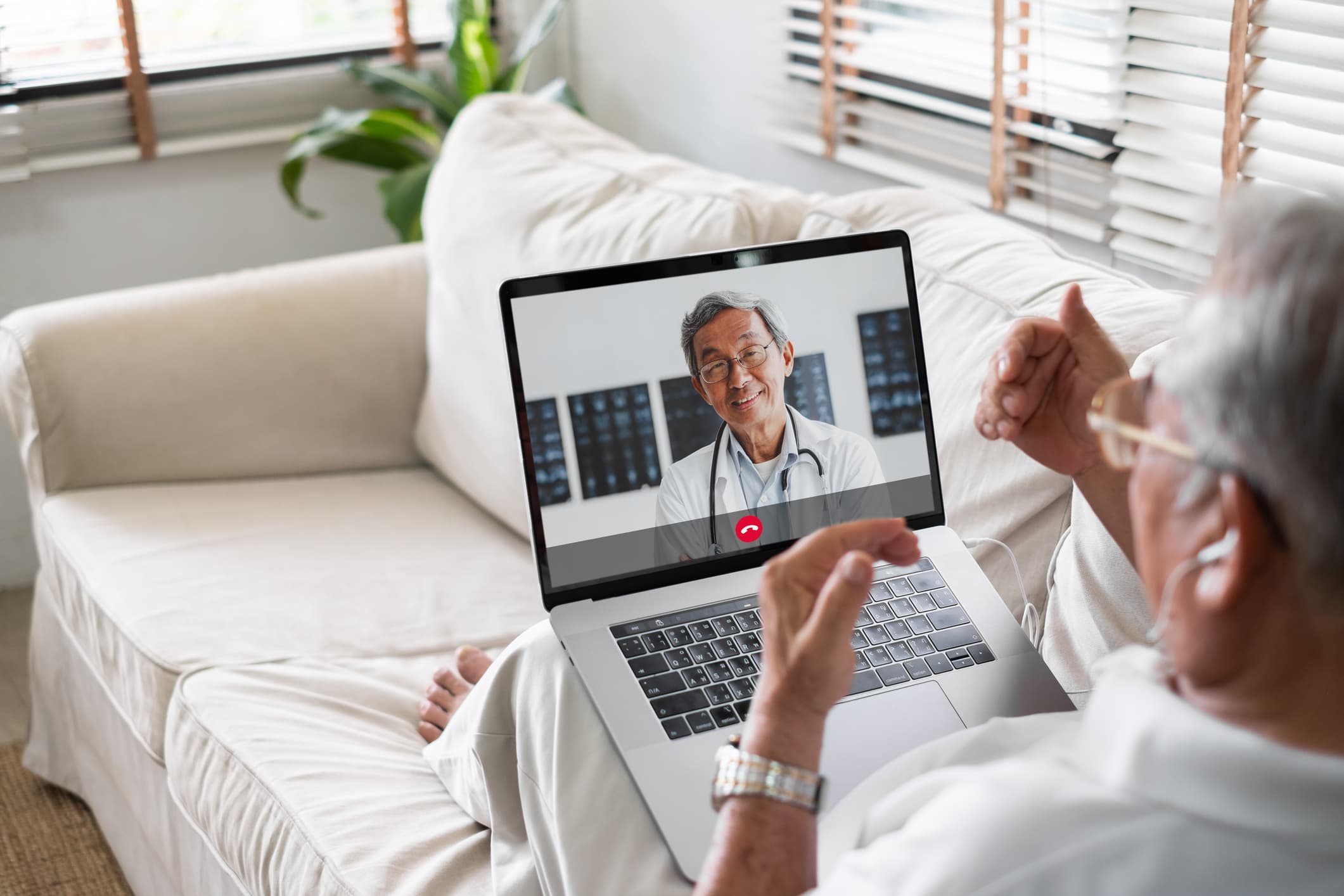
Telemedicine for the elderly is now a more significant means of obtaining healthcare-related assistance without necessarily having to travel frequently. With the ageing of the population, digital health services provide fresh possibilities for continuity of care as well as independence. According to studies conducted by public health institutions, remote consultations have the potential to enhance access for the ageing population, especially those with mobility or transportation challenges.
With that in mind, this blog discusses the functioning of telehealth in elderly people, its advantages and disadvantages, and the specific actions that can be taken to ensure that older adults feel ready and engaged in the process of online consultation.
Understanding telehealth services for seniors
Digital interactions between older adults and healthcare professionals that enable them to obtain professional healthcare without travelling are known as telehealth services for the elderly. According to government health authorities, such services enhance continuity of care, especially among those with mobility, transport, or geographical constraints.
For seniors, platforms that are easy to access, and support makes these services effective. Experience with the process helps to decrease reluctance and enhance involvement.
The concept of usability and clarity is at the heart of succeeding in telehealth services offered to the elderly population. The telehealth services for the elderly could also, in the long run, decrease strain on the healthcare system through better appointment attendance.
Digital interactions between older adults and healthcare professionals that enable them to obtain professional healthcare without travelling are known as telehealth services.
Telehealth and the older person: Benefits and challenges
Accessibility, comfort, and trust are factors that determine how telehealth is related to the older person. An advantage is the possibility of being connected in a comfortable setting, and it can lessen anxiety and enhance the quality of communication.
The barriers can be related to inexperience with the interface, sensory inabilities, or the fear of information security. By dealing with these issues at an early stage, it normalises the experience. With increased knowledge, telehealth and the older person, healthcare providers can be better and more sustainable.
Building confidence makes telehealth and the older person experience empowering, as opposed to overpowering. The strength of telehealth and the elderly in the interaction between the two, both emotionally and practically, is the key to long-term success.
Telehealth elderly: Preparing seniors for online consultations
The training of seniors regarding digital sessions decreases uncertainty and increases confidence. Elaborate descriptions of the structure of the sessions allow older adults to feel part of, not observers of, the sessions. Visual and written reminders can be used as supplements.
Creating familiarity by repetition
Comfort level increases with repeated exposure to the devices' basic use. According to research in public health, the practice of digital confidence is increasing among older adults. Such preparation makes elderly telehealth users of elderly feel competent and relaxed throughout the sessions.
Telehealth engagement among the elderly is enhanced over time as expectations are properly established. The aspect of familiarity helps with the long-term adoption of telehealth services for the elderly.
Telehealth for the elderly: Preparing seniors for online consultations
Telehealth senior care is most effective when practical and emotional needs are taken into consideration. A successful visit is achieved through careful preparation, effective communication, and a relaxed attitude that ensures the elderly feel at ease and are treated with respect.
Establishing a peaceful and cosy atmosphere
A calm, well-lit room supports effective communication and minimises distractions. Familiar surroundings and comfortable seating help seniors feel relaxed, enhancing focus and engagement.
Promoting transparent and assertive communication
The elderly persons feel empowered when they are encouraged to take their own time speaking and asking questions. It is good to make preparations in advance to organise the discussion. Effective communication enhances confidence and makes telehealth senior care a collaborative and not an overwhelming undertaking.
Helping to be independent and provide reassurance
The caregivers are expected to be in a position to offer reassurance without dominating the relationship. Giving the elderly the freedom to take the lead in the conversation boosts independence and self-respect.
Effective communication enhances confidence and makes telehealth senior care a collaborative and not an overwhelming undertaking.
Telehealth senior care: Tips for a smooth visit
There should be an obvious technology checklist that allows for eliminating anxiety and any unnecessary inconveniences during online consultations. All the elements below have a significant role in making telehealth among the elderly accessible, comfortable, and confidence-building.
Ready and familiar with devices
Being used to a certain device eliminates anxiety and confusion. Knowing the technology aids elderly people in dedicating attention towards communication, not on operation, which allows them to feel confident, independent, and can engage more easily in digital sessions.
A reliable internet connection
Constant connection eliminates disconnection, which otherwise can lead to frustration. Prior connection testing puts the mind at ease and facilitates efficient communication, which assists the seniors in remaining confident during the session.
Good audio and visual environments
Edited sound and screen vision enhance comprehension and minimise redundancy. Effective communication is facilitated by proper settings, especially among the seniors whose hearing or vision is impaired.
Basic written instructions in the vicinity
Written prompts are short and reassuring and less taxing on the memory. Visual cues enhance confidence and enable the seniors to cope with simple steps on their own during sessions.
Overcoming common challenges in telehealth for seniors
Telehealth for the elderly may be challenging, especially when older persons are not used to working with digital tools or are insecure about remote communication. Being aware of such obstructions and responding to them with patience and encouragement creates confidence and enhances engagement in the long term.
Controlling technology-related apprehension
Many older adults feel anxious when using digital platforms for the first time. This anxiety is usually caused by fear of not making the right decision or of not grasping instructions. Calm explanations, repetition and positive reinforcement achieve the normalisation of the learning process.
Addressing sensory and communication difficulties
Auditory or visual impairments could interfere with attendance in online consultations. It is possible to adjust the sounds, positioning screens, and speak at a slower pace to make the communication easier. Requesting clarification is one of the things that should be encouraged among the seniors to make sure that they are not excluded and overwhelmed.
Visual cues enhance confidence and enable the seniors to cope with simple steps on their own during sessions.
Summary and key takeaways for seniors and caregivers
Telehealth may be very successful when properly introduced. One needs preparation, reassurance and flexibility. The increasing use of telemedicine among the elderly population shows the importance of inclusive digital solutions.
Telemedicine for the elderly complements access and autonomy when developed in line with user requirements. Finally, success in telemedicine services for the elderly requires confidence, clarity and support to be sustainable.
Frequently Asked Questions
1. What are the typical obstacles to telehealth in the elderly?
Common problems affecting seniors include difficulty in adjusting to new technology, fear of making errors, and sensory limitations. These barriers may be minimised with patience, preparation, and reassurance, with increased confidence and overall engagement.
2. What can caregivers do to help seniors feel comfortable using telehealth?
The caregivers can convey expectations, practise simple use of technology and calmly offer reassurance. Independence should be supported and, at the same time, be accessible to allow the seniors to feel confident, respected, and more inclined to participate.
3. Is telehealth effective in continuing senior care?
Telehealth is effective when sessions are well prepared and supported. The comfort of the home, proper communication, and emotional support encourage seniors to participate positively and consistently over time.
Share Article