
 Medically Reviewed
Diet & Nutrition
Best Liver Detox Foods: What Actually Supports Liver Health
Jun 17, 2026
•7 min read
Share Article


"Detox" is one of those words that gets thrown around a lot in the wellness world. Green juices, cleanses, supplement stacks promising to flush out toxins in 10 days. It sounds appealing, especially after a period of poor eating or overindulgence.
But here is the truth — your liver is already detoxifying. Every single day, without any help from a juice cleanse. It filters your blood, processes nutrients, and neutralises harmful substances around the clock. It does not need a dramatic reset. It needs consistent support.
That is where food comes in. Not magic foods, not miracle cures, just everyday ingredients that give your liver what it needs to keep doing its job well.
Here is what the evidence actually points to.
Can your liver be "detoxed"?
Your liver was built for this. It breaks down harmful substances, processes everything you eat and drink, and disposes of waste without you ever having to think about it. It is one of the hardest working organs in your body and one of the most self-sufficient.
So when people talk about a liver detox, what they are really after is a way to support that built-in process — not replace it. The problem with extreme cleanses is that they rarely do that. They are disruptive at best and ineffective at worst.
What actually works is far less dramatic. Steady, consistent habits that give your liver the nutrients it needs to function at its best, day after day.
Signs your liver needs support
The body seldom makes dramatic statements in the initial stages. Rather, it reveals a few indications that something requires some attention. Common signs include:
- Low energy levels
- Digestive discomfort
- Skin changes
- Difficulty concentrating
These symptoms do not necessarily indicate a serious issue — they show that better habits can benefit the body, particularly when it comes to supporting the liver naturally. If symptoms persist, speak to your doctor to rule out underlying causes.
Your liver naturally detoxifies your body 24/7 and helps balance energy levels and metabolism.
How to support your body and liver naturally
Liver health is not built in a weekend cleanse. It is built in the quiet, unglamorous choices you make every day. The foundation is straightforward: eat well, drink enough water, move your body, and get proper rest.
That is not a disappointingly simple answer — that is genuinely what works. When these habits are consistent, your liver has everything it needs to do its job without any dramatic intervention.
Foods that support liver health
What you eat has a direct impact on how well your liver functions. The right foods ease its workload and strengthen its natural detoxification process. Here are the ones worth adding to your plate:
- Leafy greens: Spinach, kale, and cabbage are rich in antioxidants that help neutralise harmful substances and support bile production.
- Cruciferous vegetables: Broccoli, cauliflower, and Brussels sprouts contain compounds that activate liver detox enzymes.
- Berries: Blueberries and cranberries are packed with vitamin C and antioxidants that may help reduce oxidative stress and inflammation in the liver.
- Garlic: Contains sulfur compounds that aid in the elimination of harmful substances and activates liver enzymes.
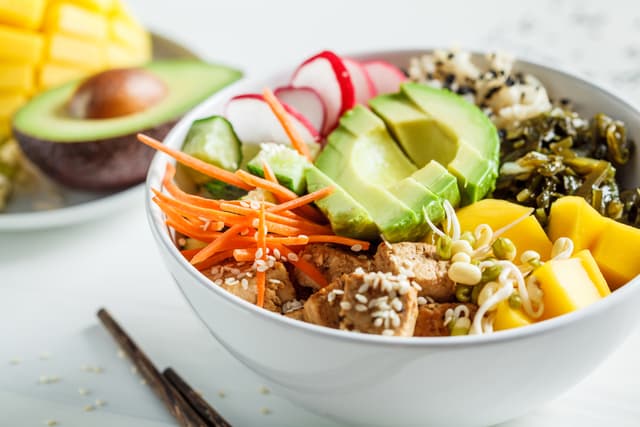
- Healthy fats: Avocados, olive oil, and fatty fish reduce inflammation and help the liver process fat more efficiently.
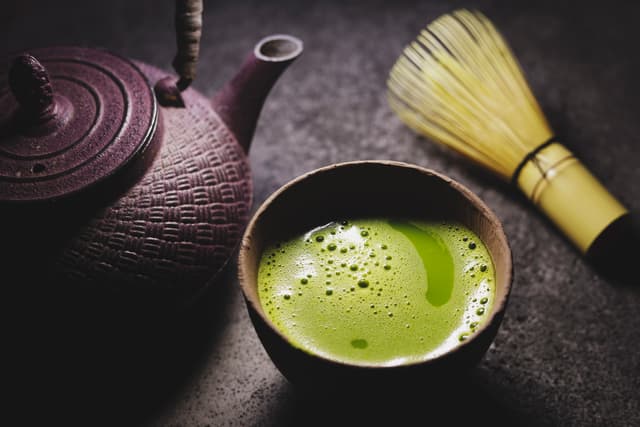
- Green tea and black coffee: Both contain potent antioxidants that may help lower liver enzyme levels and reduce fat buildup when consumed in moderation.
Liver-supporting drinks
Water is essential for liver health. It assists in the transportation of nutrients and the elimination of waste products. Plain water and other simple drinks like lemon water, unsweetened green tea, and herbal infusions can support digestion and keep you well hydrated. Making them a daily habit is one of the easiest ways to support your liver without overhauling your entire routine.
Exercise and sleep
Exercise and sleep are two of the most underrated tools for liver health. Regular movement helps regulate metabolism and prevents the fat buildup that puts strain on the liver. Sleep, on the other hand, is when the body does its deepest repair work.
Together, they are not extras — they are essentials.
Working out helps maintain metabolic rate and reduce fat storage, while sleep allows the body to renew and restore.
How to support your liver at home: a step-by-step plan
Supporting your liver at home does not require a complicated protocol or a list of rules you will abandon by Wednesday. It just requires consistency. Small, repeatable actions done daily will always outperform a dramatic cleanse done once. The goal is not to force your liver into a detox — it is to create the right conditions so it can do what it was already designed to do.
Step 1: Begin your day with water
Hours of sleep leave the body mildly dehydrated. Water in the morning helps initiate metabolic functions and aids in waste elimination. A slice of lemon can support digestion, but plain water is equally effective.
Step 2: Consume whole and balanced meals
Nutrients in food are of great importance to the liver. Meals with fibre, healthy fats, and protein keep energy levels stable and minimise metabolic burden. Whole foods such as vegetables, fruits, grains, nuts, and seeds aid digestion and reduce reliance on processed foods.
Step 3: Include liver-supporting foods daily
Quality matters more than quantity. Daily intake of leafy greens, berries, garlic, and cruciferous vegetables helps promote the liver's natural processes. These foods contain antioxidants and compounds that help break down and eliminate harmful substances.
Step 4: Exercise regularly
Exercise promotes blood flow, metabolism, and fat metabolism — all of which affect the liver. This does not involve strenuous workouts. Regular stretching, light walking, or moderate activity goes a long way.
Step 5: Make quality sleep a priority
It is during sleep that the body rejuvenates and heals. Establishing a regular sleep schedule will help balance hormones and support overall recovery. Sleep is not optional — it is essential for anyone looking to support their liver in the long term.
Step 6: Minimise daily exposure to harmful inputs
While it is not possible to eliminate all environmental stressors, exposure can be minimised. This involves limiting processed foods, cutting down on unnecessary sugar and alcohol, and being conscious of daily lifestyle practices.
Step 7: Be consistent, not perfect
Consistency is the most neglected step. It will not be possible to reverse progress by missing a day or slipping up occasionally. The important thing is to return to supportive habits regularly.
What to avoid
When it comes to supporting the liver optimally, what is left out of the routine is just as important as what is added. Here are some habits worth reducing or avoiding:
- Highly processed foods: Often rich in unhealthy fats, sugar, and additives that overload the liver and may contribute to fat buildup.
- Excess sugar intake: Particularly from packaged foods and beverages, which can alter metabolic balance.
- Frequent alcohol consumption: Regular intake exerts direct pressure on the liver, making it harder to perform its natural functions.
- Fried and fatty foods: More difficult to digest and may contribute to inflammation and fat accumulation in the liver.
- Skipping meals, overeating, or excessive dieting: Irregular eating habits may cause metabolic disruptions and overburden the liver.
- Dehydration: Failure to drink sufficient water delays the elimination of waste products.
A balanced lifestyle is the real foundation
There is no secret potion. No overnight transformation. The best support for your liver is a collection of small, consistent habits — eating real food, drinking enough water, moving your body, and sleeping properly.
It is less about fixing the body and more about supporting it, like giving a hardworking organ the backup it deserves instead of adding more pressure.
Frequently asked questions
1. How can I support my liver over seven days?
A focused week can help through better hydration, whole foods, minimising processed inputs, and prioritising sleep. It is not a full reboot, but it contributes to the liver's natural detoxification processes and can leave you feeling more balanced.
2. What are the signs my liver may need more support?
Common signs include low energy, bloating, skin changes, and difficulty concentrating. These are often signals that the body may benefit from better lifestyle habits — improved nutrition, hydration, and daily routine. If you are experiencing persistent symptoms, speak to your doctor for a proper evaluation.
3. What colour is stool when the liver is under strain?
Stool colour can be affected by diet, hydration, and digestion. However, persistent unusual colours should not be overlooked, as they may indicate digestive or liver-related issues and should be evaluated by a healthcare professional.
4. How long does it take to see the benefits of better liver habits?
The liver works continuously, and there is no fixed timeline. Supporting it as a regular practice over weeks and months is more effective than short-term plans emphasising quick or extreme methods.
5. What are the best daily habits for liver health?
Focus on a nutritious diet, adequate hydration, regular movement, and quality sleep. Reducing processed foods, alcohol, and excess sugar through consistent daily habits supports the liver's natural functions most effectively.
Share Article