
 Medically Reviewed
Diet & Nutrition
Matcha Tea Ingredients: Understanding The Power Of The Whole Leaf
Jun 11, 2026
•6 min read
Share Article

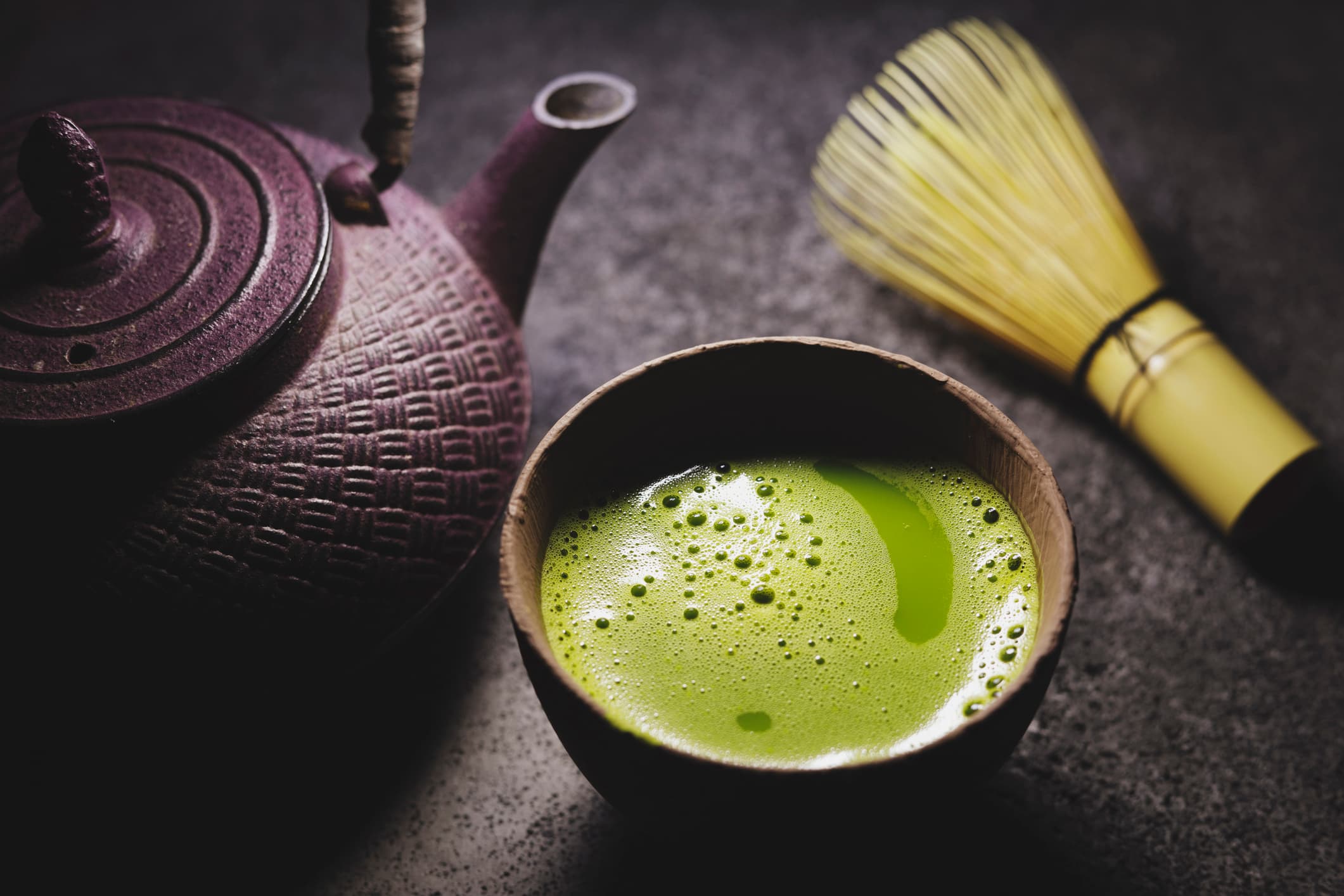
If coffee had a calmer, more focused counterpart, it would probably be matcha. Smooth, refreshing, and quietly refined, it has moved far beyond traditional rituals to become a part of modern everyday routines. But what lies beneath its striking green appearance and popular lattes?
It begins with how it's made. Unlike regular teas, where leaves are steeped and discarded, matcha is consumed in its whole-leaf powdered form. This simple difference makes the matcha tea ingredients more concentrated, delivering a fuller spectrum of natural nutrients in every sip.
There's no long list of complexities behind it, just a carefully balanced mix of natural compounds working in harmony. What makes matcha tea ingredients stand out is not just what they contain, but how they work together to support focus, calm, and a more balanced sense of well-being.
Dive into this blog to explore what makes every cup of matcha quietly remarkable.
The raw ingredients of matcha tea: From tencha to powder
The matcha process starts with tea leaves that are specially grown, called tencha. Before harvest, these leaves are shaded, which enhances chlorophyll and amino acid production.
The leaves are then steamed, dried, and crushed into fine powder. This is done with the utmost care to maintain the entire spectrum of ingredients of matcha tea, which assures greater nutrient concentration than conventional tea.
Unlike regular teas, where leaves are steeped and discarded, matcha is made using the whole leaf in powdered form.
Core matcha green tea ingredients: A nutritional profile
Matcha may look simple, but its nutrient profile is surprisingly powerful. Because the whole leaf is consumed, matcha green tea ingredients deliver a more concentrated mix of beneficial compounds in every sip.
Concentrated antioxidants and the power of EGCG
The antioxidant properties of matcha are especially high, including catechins such as Epigallocatechin gallate (EGCG), which help protect cells against oxidative stress. Due to the consumption of the entire leaf, the compounds are in high concentrations as compared to the normal green tea.
It is suggested that EGCG may support heart health and help protect cardiac cells from damage caused by free radicals. This highlights that the compounds in matcha may be beneficial for long-term health, as antioxidants play an important role in maintaining overall balance and reducing internal stress.
L-Theanine and amino acids for focus and calmness
L-theanine, an amino acid that is known to bring some relaxation and at the same time keep a person alert, is one of the most unusual components of matcha tea. L-theanine is not a stimulant; thus, it does not cause the jittery energy found in stimulants, but instead, it helps to create a relaxed, focused state of mind.
It is in synergy with caffeine to enhance attention and cognitive performance. Research indicates that this mixture can suppress stress reactions as well as improve concentration, so matcha is the best choice when it comes to activities that need a lot of concentration and cognitive abilities during the day.
Bound caffeine for sustained energy
Matcha contains caffeine, though its effects differ from those of other regular caffeinated beverages. L-theanine decreases the rate at which caffeine is released into the bloodstream, leading to a slower and longer-lasting energy effect.
It also helps avoid sudden spikes and crashes, providing a smoother and more balanced experience. The proportionate combination of amino acids and caffeine in matcha green tea ingredients enables one to remain active and alert for longer without feeling as restless as they usually do after consuming caffeine-containing products.
Chlorophyll and essential minerals
Chlorophyll is what gives matcha its rich green colour and supports the body's normal detoxification process. Due to shade-growing, matcha leaves have a greater amount of chlorophyll compared to other varieties of tea.
Moreover, matcha tea has components of vital minerals, such as magnesium and potassium, which help to maintain muscle activity and health. These are nutrients that help to bring balance in the body and aid in supporting several physiological processes needed in everyday well-being.
Non-water-soluble nutrients: Fibre and beta-carotene
Compared to traditional tea, many nutrients are lost in the leaves that are discarded after brewing. Matcha, however, retains compounds that are not water-soluble, such as fibre and beta-carotene. These nutrients support digestion, gut health, and overall nutritional well-being. Because matcha uses the whole leaf, it offers a more complete nutrient profile. As a result, it can be a more effective way to obtain plant-based nutrients than regular brewed tea, where many beneficial compounds are left behind.
L-theanine in matcha tea can suppress stress reactions as well as improve concentration.
Ingredients in matcha tea preparation: How to make the perfect cup
Making matcha isn't just about mixing powder and water; it's about getting the details right. The way ingredients in matcha tea are prepared can influence both flavour and how well its nutrients are preserved.
Water quality and ideal temperatures
The quality of water is important in the preservation of the delicate compounds contained in matcha. Clean and filtered water is used to maintain the natural flavour and nutrients.
The temperature of the water is equally important. Excessively hot water may destroy delicate compounds such as amino acids and antioxidants. Preferably, warm water can be utilised to preserve the integrity of ingredients in matcha tea to provide a smoother taste and the maximum nutritional benefit in each cup.
Milk alternatives for matcha lattes
Plant-based milk, e.g., oat, almond, or soy, is commonly used to make creamy matcha lattes. These alternatives enhance the earthy taste of matcha without overpowering its natural flavor.
They also offer flexibility for different dietary preferences while retaining the benefits of matcha green tea ingredients. Choosing unsweetened versions helps avoid added sugars, making the drink more balanced and supportive of overall metabolic health, while still being enjoyable and satisfying.
Natural sweeteners to balance flavour
Matcha is naturally earthy and slightly bitter, something that not many individuals might like initially. To neutralise the flavour, it can be added with natural sweeteners such as honey or dates without taking away the flavour profile.
With a mixture of minimum sweeteners, it can be ensured that the advantages of ingredients in matcha tea are maintained. It also helps avoid unnecessary consumption of sugar, enabling people to enjoy matcha in a manner that is not only enjoyable but also healthy without reducing its nutritional properties.
Choosing unsweetened versions helps avoid added sugars, making the drink more balanced and supportive of overall metabolic health.
Comparing ingredients of matcha tea: Ceremonial vs. culinary grades
Matcha is available in different grades, with ceremonial and culinary being the most common. Ceremonial grade is made from younger leaves, giving it a smoother taste and a higher concentration of matcha tea ingredients. It is typically consumed on its own with water to appreciate its delicate flavour.
Culinary grade, on the other hand, has a stronger, more robust flavour and is often used in lattes, desserts, and recipes. While both grades contain similar matcha tea ingredients, differences in leaf selection and processing influence their taste, texture, and overall experience.
The essence of matcha in every cup
Matcha is not a mere trendy beverage; it is an experience in a cup. However, there is something more than the aesthetic and relaxing ritual; it is the combination of ingredients of matcha tea that makes it truly special. The components, antioxidants, amino acids, caffeine, and nutrients, are not isolated but work together in synergy. The result is calm focus, balanced energy, and a greater sense of relaxation.
It can be a slow morning wake-up or a midday pick-me-up, and either way, matcha brings some consistency to a world that is otherwise nothing but inconsistent. And frankly, that type of balance strikes differently.
Frequently Asked Questions
1. What does matcha tea contain?
Matcha is a source of antioxidants, L-theanine, caffeine, chlorophyll, vitamins, and minerals. It has a more concentrated nutritional profile than traditional preparations of green tea, as the whole leaf is used.
2. Is matcha tea actually healthy?
Yes, matcha is healthy because it has high antioxidant properties and other compounds that are beneficial. It can be beneficial to the heart, enhance concentration, and also help in maintaining well-being when taken as part of a balanced lifestyle.
3. Does matcha lower cortisol?
L-theanine in matcha can be used for relaxation and mitigating stress reactions. Although it can help to reduce cortisol levels, its impacts are most evident when it is combined with healthy lifestyle habits and stress management strategies.
4. Does matcha lower LDL?
Studies indicate that antioxidants in matcha, especially catechins, can aid in maintaining a healthy cholesterol level. Frequent use could help to maintain a healthy heart, together with a healthy and balanced diet.
Share Article