
 Medically Reviewed
Hormonal Health
How To Reverse Insulin Resistance? Food & Lifestyle Tips
Jun 8, 2026
•7 min read
Share Article


Your body rarely sounds the alarm outright when something is off. Instead, it tends to whisper. A sudden slump after meals, cravings that seem to appear out of nowhere, or unexplained dips in energy can all be subtle signs that insulin resistance is quietly developing.
The good news is that insulin resistance is not necessarily a one-way street. If you are wondering how to reverse insulin resistance, the answer is more encouraging than many people realise. In many cases, it can be improved and even reversed through consistent, sustainable lifestyle changes.
And no, that does not mean giving up all your favourite foods or following a strict routine. Learning how to reverse insulin resistance is less about restriction and more about creating balance. Small, everyday choices can go a long way in helping your body work more efficiently and maintain healthier blood sugar levels.
Can you reverse insulin resistance?
To understand whether insulin resistance can be reversed, it helps to know what it is. Insulin resistance occurs when the body's cells become less responsive to insulin, the hormone responsible for moving glucose from the bloodstream into cells to be used for energy. As a result, glucose begins to build up in the blood, prompting the body to produce more insulin in an attempt to compensate. Over time, this can increase the risk of developing conditions such as type 2 diabetes.
The encouraging news is that insulin resistance can often be improved, and in some cases reversed, through consistent lifestyle changes. Healthy eating habits, regular physical activity, quality sleep, stress management, and maintaining a healthy weight can all help improve the body's response to insulin.
Research suggests that long-term dietary improvements and regular exercise can significantly enhance insulin sensitivity and support overall metabolic health. The goal is not perfection. What matters most is consistency and making sustainable choices that you can maintain over time.
Insulin resistance is a condition where the body's cells stop responding properly to insulin.
13 ways to reverse insulin resistance
Reversing insulin resistance does not require extreme diets or complicated routines. In most cases, it comes down to consistent, sustainable habits that support your body's natural ability to regulate blood sugar. If you have been wondering how to reverse insulin resistance, these evidence-based lifestyle changes can help improve insulin sensitivity over time.
1. Get proper sleep
Sleep plays a vital role in metabolic health and directly affects how your body responds to insulin. Poor sleep can disrupt hormones involved in appetite, blood sugar regulation, and energy balance, making insulin resistance worse.
Aim for seven to nine hours of quality sleep each night. Maintaining a regular sleep schedule can help improve insulin sensitivity, support steady energy levels, and give your body the recovery time it needs to function at its best.
2. Follow an exercise schedule
Regular physical activity is one of the most effective ways to improve insulin sensitivity. Exercise helps muscles use glucose more efficiently, reducing the amount of sugar circulating in the bloodstream.
Both aerobic activities such as walking, cycling, and swimming, as well as strength training, can be beneficial. Even simple habits like a daily brisk walk can make a meaningful difference over time.
3. Lose a few kilos
Even modest weight loss can have a significant impact on insulin resistance, particularly if excess weight is carried around the abdomen.
The focus should be on gradual, sustainable weight loss through balanced eating and regular physical activity. Losing even a small percentage of body weight can help the body respond better to insulin and improve overall metabolic health.
4. Eat health-promoting foods
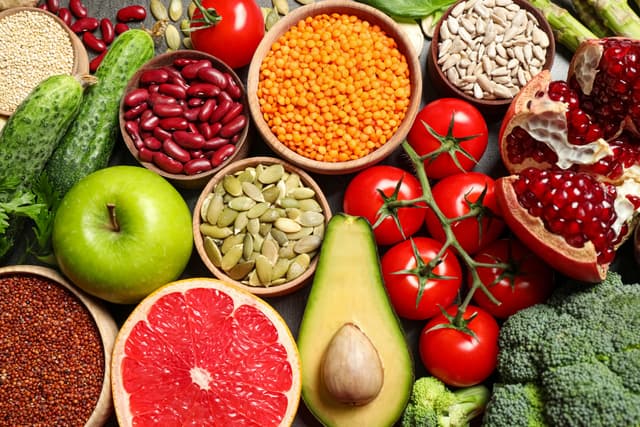
Choosing the right foods can support better blood sugar control and insulin function. A diet rich in vegetables, fruits, whole grains, legumes, nuts, seeds, and lean protein provides essential nutrients that support metabolic health.
These foods are typically high in fibre, which helps slow sugar absorption and promotes more stable blood glucose levels. Limiting highly processed foods can further support insulin sensitivity.
5. Manage stress
Chronic stress can increase levels of hormones that interfere with blood sugar regulation and insulin function.
Finding healthy ways to manage stress, whether through meditation, deep breathing, exercise, hobbies, or spending time with loved ones, can support better metabolic health. Stress management is often an overlooked but important part of reversing insulin resistance.
6. Add more colourful fruits and vegetables to your diet
Colourful fruits and vegetables are packed with fibre, antioxidants, vitamins, and minerals that support overall health.
Eating a variety of colours helps ensure a wider range of nutrients while supporting healthier blood sugar levels. This simple habit can improve diet quality and contribute to better insulin sensitivity over time.
7. Cut back on carbs
Reducing refined carbohydrates can help prevent rapid spikes in blood sugar and insulin levels.
Instead of white bread, sugary cereals, and refined snacks, choose complex carbohydrates such as whole grains, oats, millets, beans, and lentils. Pairing carbohydrates with protein and healthy fats can also help slow digestion and support steadier blood sugar levels.
8. Reduce your added sugar intake
Frequent consumption of sugary drinks, desserts, and processed snacks can contribute to insulin resistance by causing repeated blood sugar spikes.
Reducing added sugar intake and choosing minimally processed foods can help stabilise blood glucose levels and support healthier insulin function over time.
9. Add herbs and spices to your food
Herbs and spices do more than add flavour to meals. Many contain plant compounds that may support metabolic health and help the body process glucose more efficiently.
Using herbs and spices can also make healthy meals more enjoyable, making it easier to maintain positive dietary habits in the long term.
10. Add a dash of cinnamon
Cinnamon has been studied for its potential role in improving insulin sensitivity and helping regulate blood sugar levels after meals.
While it is not a treatment on its own, adding a small amount of cinnamon to foods such as porridge, yoghurt, or smoothies may complement other healthy lifestyle changes.
11. Consume green tea
Green tea contains antioxidants called catechins, which may support metabolic health and reduce inflammation.
Some research suggests that regular green tea consumption may help improve insulin sensitivity. Replacing sugary beverages with unsweetened green tea can be a simple step towards better blood sugar management.
12. Try apple cider vinegar
Some studies suggest that apple cider vinegar may help improve insulin sensitivity and reduce post-meal blood sugar spikes.
If you choose to use it, always dilute it before consumption. While it is not a cure for insulin resistance, it may be a useful addition to a broader healthy lifestyle approach.
13. Avoid trans fats
Trans fats are commonly found in highly processed foods and have been linked to inflammation and poorer insulin sensitivity.
Limiting foods that contain trans fats and choosing healthier fats from sources such as nuts, seeds, fish, and plant oils can support better metabolic health and improve the body's response to insulin over time.
Spices and herbs not only add flavour, but can also help in maintaining metabolic health.
Signs that insulin resistance is reversing
As insulin sensitivity improves, you may begin to notice subtle but meaningful changes in how you feel day to day. You may experience more stable energy levels throughout the day, fewer sugar cravings, better concentration, and improved appetite control. Some people also notice less fatigue after meals, fewer energy crashes, and gradual improvements in weight management.
These changes often indicate that the body is using insulin more effectively and regulating blood sugar more efficiently. Over time, they can reflect better metabolic health and progress towards reversing insulin resistance.
Adding a wide variety of colourful fruits and vegetables to your diet is an easy way to boost nutrient intake.
Reversing insulin resistance naturally
Insulin resistance cannot be reversed in one night, and it is more like a daily habit change of gradually upgrading it. No drastic habits, no unattainable demands, only sensible changes which can be incorporated into the daily routine.
Choosing the right food to reverse insulin resistance, doing exercise, getting quality sleep, and stress management are all elements that can combine to produce actual improvement. It is not as much about perfection as about those little habits every day.
Then, when the thought remains, the question is, can I reverse insulin resistance? The answer remains promising. Through patience and consistency, the body is able to react, adjust, and shift towards improved balance.
Frequently asked questions
1. How do I reverse insulin resistance naturally?
To reverse insulin resistance, focus on balanced meals, regular physical activity, quality sleep, and stress management. Lifestyle modifications enhance insulin sensitivity over time.
2. What are the reversing insulin resistance drinks?
The most suitable choice is water. Unsweetened beverages such as green tea can be metabolically healthy. Sweetened drinks should be avoided since they may exacerbate insulin resistance and lead to an imbalance.
3. Is lemon an insulin-resistant food?
Lemon does not solve the problem directly, as it is not a solution to the overall health, but it helps because of its antioxidants. A healthy meal plan can favour insulin sensitivity.
4. What causes insulin to be reduced naturally?
Regular exercise, high fibre intake, less sugar, and healthy fats can help maintain low insulin levels and enhance the body's response to insulin over time.
Share Article