
 Clinically Reviewed
Female Reproductive Health
Myths vs. Facts About Perimenopause: What Science Says
Nov 25, 2025
•3 min read
Share Article

Perimenopause is a normal but usually misunderstood biological stage that is the beginning of menopause. It normally happens at the age of 40 and 50, but some women can witness it earlier or later based on genetics and general health. The body also experiences hormonal changes during these years that can impact not only menstrual periods but also mood, sleep, temperature, and energy levels.
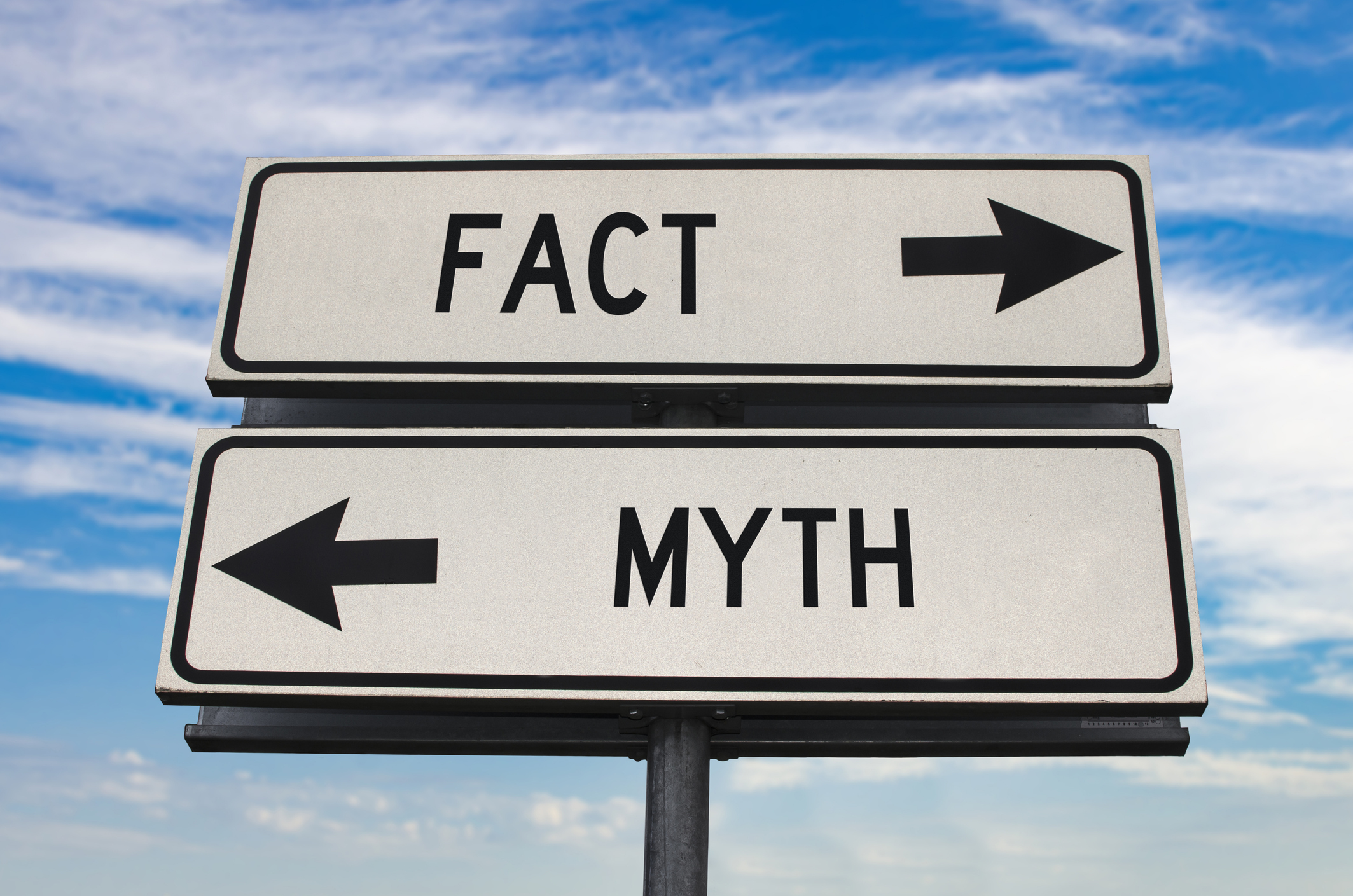
Most women are usually less prepared for the physical and emotional changes that come with it, frequently attributing the natural hormonal changes to sickness or disequilibrium. This blog helps dispel perimenopause myths and reveal scientific truths by examining these myths and establishing the facts.
Common perimenopause myths
The following is a list of a few widely prevalent myths surrounding perimenopause.
Myth 1: Perimenopause starts suddenly
Fact: It is usually believed that perimenopause starts suddenly one day when a woman reaches the age of 40 or 45. The process develops over time, and it usually starts several years before the last menstrual period. It can begin as late as the late 30s or early 40s and last 4 to 10 years.
The hormonal system in the body does not change at a specific point; instead, the levels of oestrogen and progesterone fluctuate unexpectedly, which explains why perimenopause symptoms, such as changes in cycle and mood, occur irregularly.
Myth 2: Perimenopause only affects periods
Fact: Even though alterations in menstrual cycles are typical, perimenopause affects almost all the organs of the body. Oestrogen is a hormone which is part of many processes occurring in the body and which influences body temperature, skin condition, sleep, and even brain functioning.
Most women during this stage report having hot flushes, sleep disturbances, irritability, and fatigue. Acknowledging that the effects of perimenopause are not confined to menstrual variations is one way of enabling women to have a more holistic approach to their health.
Did You Know?
Oestrogen is a hormone which is part of many processes occurring in the body and which influences body temperature, skin condition, sleep, and even brain functioning.
Myth 3: Nothing can be done for perimenopause relief
Fact: Another common myth is that the only thing women should do is to tolerate it. As a matter of fact, there are several lifestyle strategies that help in perimenopause relief.
Discomfort and mood can be elevated with the help of a healthy diet, exercise, and stress management. Research demonstrates that exercise can stabilise hormone levels and maintain a healthy cardiovascular and bone system.
Myth 4: Myths Perimenopause is universal
There are no two women who are going through the same experience of perimenopause. Genetics, general health, and life conditions are some of the factors that influence the length and intensity of the symptoms. There are those who will not have a significant problem, but those who will have some inconvenience.
Facts about perimenopause
Dispelling myths allows women to focus on the real perimenopause facts grounded in science and evidence. These facts prove the role of hormonal balance, emotional well-being, and active self-care in this transitional period.
Fact 1: Perimenopause signals a hormonal transition, not immediate menopause
Perimenopause is a gradual process of transitioning the body to menopause and does not mark the termination of the capability of pregnancy. The official onset of menopause is 12 months without any menstrual bleeding. This differentiation is important in determining what is considered to be a normal hormone process and not a sudden fertility loss.
Fact 2: The symptoms are motivated by hormonal changes
The characteristic of perimenopause is variable oestrogen levels. Oestrogen influences the reproductive system, the temperature, and even the neurotransmitters of the brain that influence mood and sleep. Fluctuating oestrogen levels affect brain neurotransmitters such as serotonin and dopamine, leading to common perimenopausal symptoms like mood swings, memory lapses, and difficulty concentrating. When the level swings high or low, the body reacts with symptoms of hot flushes, insomnia, and emotional variability. When women realise that their physiological responses are under their control, they will be in a position to manage them without fear.
Quick Explainer
Perimenopause is a gradual process of transitioning the body to menopause and does not mark the termination of fertility.
Fact 3: Mental and emotional changes are common
Many experience cognitive change and mood fluctuations during perimenopause. According to a few studies, oestrogen influences serotonin and dopamine, which are neurotransmitters that influence mood and cognitive clarity. This association is the reason why irritability, memory lapses, or anxiety can come up in this stage. It is possible to find a difference by seeking social support and mental wellness strategies.
Fact 4: Diet and exercise impact symptoms
Perimenopause is crucial to nutritional balance. A diet of whole grains, vegetables, and lean protein provides the body with the necessary nutrients to regulate hormones and to give energy. Exercise helps the mood, increases bone density, and enhances heart performance. The practices stabilise throughout the hormonal changes by enhancing perimenopause relief without the need for medication.
Quick Tip
A diet of whole grains, vegetables, and lean protein provides the body with the necessary nutrients to regulate hormones and to give energy.
The role of hormones in perimenopause
The hormones coordinate almost all the changes that occur in the process of perimenopause. Oestrogen and progesterone, which control reproduction, experience abnormal production, which causes dissimilar effects, both physical and emotional.
In this period, oestrogens are slowly produced in the ovaries in lesser amounts. This loss affects body temperature, metabolism, and skin elasticity, which can explain why some women experience hot flushes, dry skin, or changes in weight distribution. Another vital hormone, progesterone, also decreases, which can result in sleeping problems and mood swings.
Hormonal changes are an inevitable process, but not necessarily bad. They trigger the natural adjustments of the body, which all women will experience at their own speed. The most effective weapon in achieving these changes is education and awareness.
Lifestyle and health considerations
Healthy habits in perimenopause help in the long-term and short-term well-being. Although hormonal changes cannot be controlled, lifestyle habits are important in controlling perimenopause symptoms and providing relief.
- Balanced nutrition:
A wholesome diet with an emphasis on whole foods, legumes, fruits, vegetables, and healthy fats assists in stabilising blood sugar and hormone balance. Foods rich in calcium and magnesium help in keeping the bones and muscles healthy, as these issues become more significant at this age.
- Exercise:
Exercise makes the heart stronger, improves the mood, and improves the quality of sleep. Exercise like walking, swimming, and yoga would aid in improving circulation and reducing fatigue.
- Sleep hygiene:
Having a regular bedtime, avoiding staring at screens before bed, and ensuring a relaxing sleep environment are helpful in managing perimenopausal insomnia.
- Hydration and moderation:
Caffeine, alcohol, and highly processed foods should be limited, which will decrease symptoms such as hot flushes and restlessness. Consuming adequate water helps the body to maintain thermoregulation and skin.
Embracing change: Living well through perimenopause
Perimenopause is a shifting and changing period in the life of a woman. Quite on the contrary, it is a natural biological process that is not a condition to be feared, but rather a slow adaptation of the body to new hormonal rhythms. Being able to differentiate between the myths and facts about perimenopause will enable women to make more informed decisions, give wellbeing more priority, and perceive the stage as an exciting step.
Women can be successful in their perimenopause relief and be in good health by adopting holistic measures, including healthy diets, frequent exercise, emotional intelligence, and social support.
Frequently Asked Questions
1. What is the mean age in perimenopause?
The age at perimenopause normally starts in the mid-40s; however, it can start earlier or later, depending on individual factors. The timing can depend on genetic factors, health, and lifestyle.
2. What is the duration of perimenopause?
Perimenopause lasts for different periods, which are normally between 4 and 10 years. It lasts until the onset of menopause, which is 12 months without a menstrual cycle.
3. What are typical symptoms of perimenopause?
The common symptoms of perimenopause are irregular periods, hot flushes, sleeping disorders, mood swings, and skin or hair changes. These are a result of hormonal fluctuations.
Share Article