

 Clinically Reviewed
Caregiving
Nutrition For Ageing Parents: What Changes After 60?
Feb 2, 2026
•6 min read
Share Article

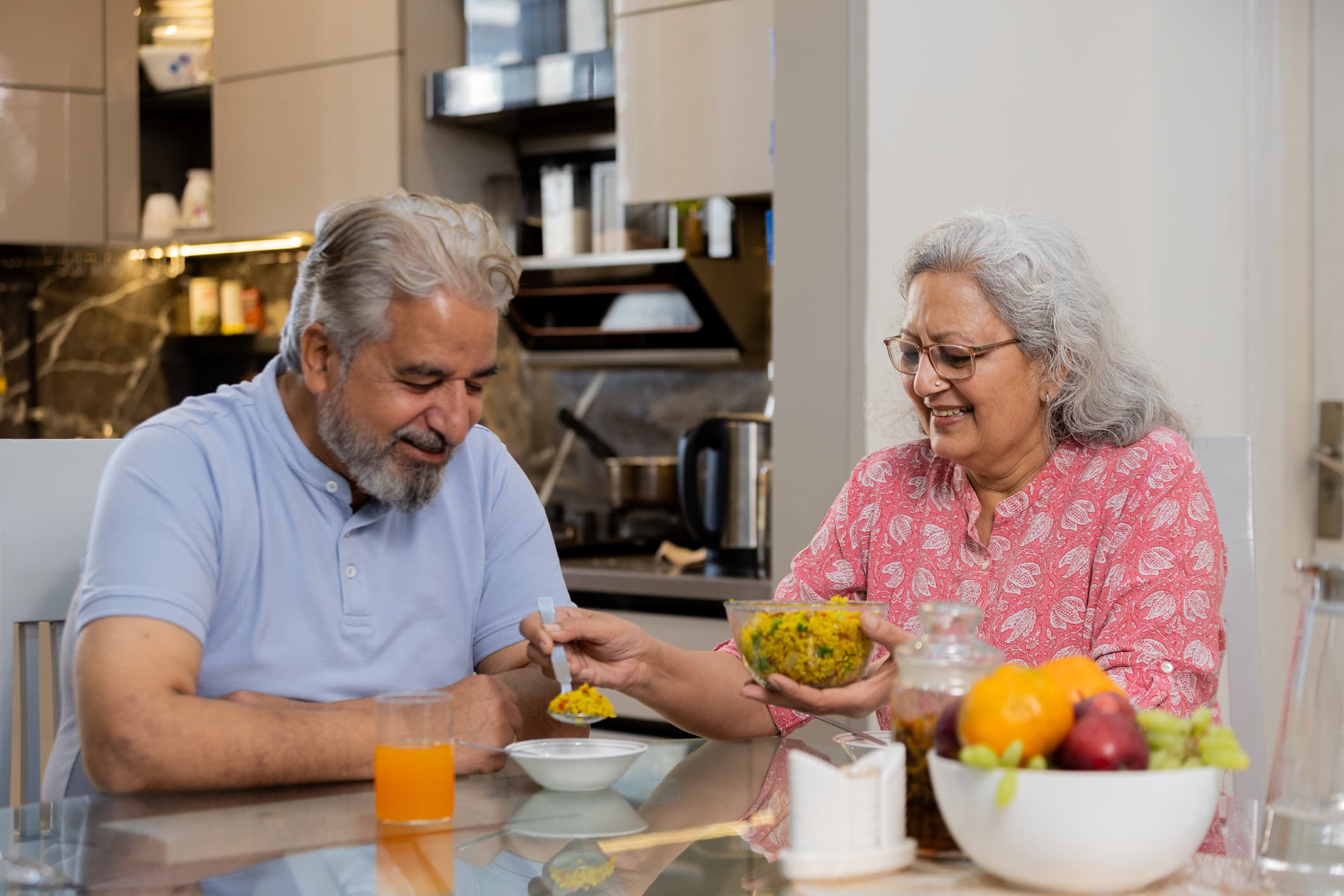
After 60 years old, biological changes become anticipated and affect the way food is digested, absorbed and used. Such changes are progressive, but their effects on health are felt over a period of time.
The energy consumption is lower because of a smaller amount of muscle mass and less activity, but the needs for the necessary nutrients do not change and may even grow. Global recommendations on public health indicate that unhealthy dietary consumption during later life is one of the causes of weakness, diminished recovery, and decreased tolerance to daily physical stressors.
For this reason, nutrition education focused on nutrition for elderly adults is essential for families caring for ageing parents. Rather than concentrating on the number of meals consumed, greater emphasis should be placed on nutrient density, meal regularity, and food palatability. When dietary intake aligns with age-related needs, nutrition for seniors plays a key role in maintaining independence, preserving functional ability, and enhancing overall quality of life.
How does ageing affect nutrition for seniors?
Ageing causes changes in various systems that are related to nutrition, such as metabolism, digestion, and body composition. These modifications have a cumulative effect on the dietary needs and food habits.
Reduced metabolic rate
As a person grows older, the metabolic rate of the body decreases; that is, fewer calories are needed to sustain body weight. But taking fewer calories without enriching the quality of food results in a lack of nutrients. This renders proper planning of diet necessary for proper nutrition for elderly.
Digestive changes
The efficiency of the digestive system usually decreases as people grow older. The slower rate of digestion and reduced absorption can inhibit the absorption of essential nutrients that are required for proper functioning of the body. This can cause fatigue, weakness, and poor physical performance unless solved by making the right food choices.
Alterations in muscle and fat structure
Muscle loss is an ageing process which influences balance, strength and mobility. Dietary consumption is at the centre stage in decelerating this process and allowing normal physical activity.
As a person grows older, the metabolic rate of the body decreases; that is, fewer calories are needed to sustain body weight.
Key nutrients seniors need after 60
Given the possible reduction in food consumption, every meal should provide optimal nutritional value. Protein is beneficial in maintaining muscles, repairing tissues, and in the immune system.
Fibre assists in the regularity of the digestive system and also in curbing appetite. Bone strength and structural stability are related to calcium and vitamin D. The proper amount of calories is needed in the form of fluid intake, which helps with circulation, body temperature, and mental clarity.
Why quality matters more than quantity
The general recommendation of public health authorities always tends to concentrate on diverse and balanced meals and not just on the larger portion of meals. Healthy foods make sure that even when one has a low appetite, the nutritional requirements are satisfied.
Challenges to good nutrition in seniors and how to overcome them
Research indicates that older adults often consume inadequate amounts of key micronutrients, including calcium, zinc, magnesium, and B vitamins. If unaddressed through diet or supplementation, these deficiencies can contribute to fatigue, weakened immunity, and a reduced quality of life. Here’s what happens if your nutritional intake is hampered:
- Physical limitations
Lack of chewing power or uncomfortable eating due to dental and oral issues, or tiredness in preparation of food, can deter good intake. Easier food texture modification and preparation can be very helpful in enhancing eating comfort.
- Alteration of appetite and motivation
Taste and smell can decline with age, leading to reduced interest in food. Besides this, residing alone or a lack of socialisation can lead to demotivation to cook. These barriers can be overcome by setting up routine schedules and promoting communal meals.
- Practical obstacles
Shopping, moving groceries, and cooking could become physically taxing. These pressures can be alleviated by the outside food support services, and encourage regular eating habits.
Taste and smell can decline with age, leading to reduced interest in food.
Practical meal planning for seniors: Balanced diet, nutritional drinks and soft foods
Older people should plan their meals to emphasise convenience, moderation, and pleasure. Evenly distributing protein intake across meals, targeting roughly 25-30 g per meal, may help stimulate muscle protein synthesis and support the maintenance of strength and physical function with aging.
- Structuring balanced meals
One should have a variety of food groups that are prepared in convenient forms. Steaming, stewing, and mashing are cooking methods that enhance the texture and maintain the nutrients.
- Supporting intake when appetite is low
When food intake is insufficient, nutritional drinks for the elderly can be used at intervals to boost nutrient intake. They are best used alongside regular meals, not as a replacement.
- Significance of soft-textured food
Soft foods like soups, casseroles and porridges make it less uncomfortable, but the variety in the diet does not have to stop.
Light, routine exercise helps in muscle tone, blood flow and appetite. Exercise improves the efficiency of the body to consume nutrients.
Senior meal programs and prepared meals for the elderly
The importance of senior nutrition programs to older people is to offer nutritional and social support.
- Meal services in the community.
The senior meals program provides an opportunity to have regular, well-balanced meals and drive social interaction. There is evidence that these services enhance dietary intake and help combat isolation.
- Uniformity and dependability
Home prepared meals for the elderly offer certain defined portions and a uniform nutritional level. These services are complementary to the overall goals of the senior nutrition programs by facilitating a routine and dependability in daily eating.
Lifestyle, exercise and hydration: Complementing senior nutrition
Nutrition works best when it is accompanied by favourable lifestyle changes.
- Role of daily movement
Light, routine exercise helps in muscle tone, blood flow and appetite. Exercise improves the efficiency of the body to absorb nutrients.
- Importance of hydration
The feeling of thirst tends to reduce as one grows older, exposing them to the tendency of dehydration. The digestion, circulation, and cognitive function require the regular intake of fluids.
Summary and key takeaways: Living happily after 60!
The interaction between the body and food changes with age, yet these changes can be managed effectively through informed and thoughtful planning. Choosing healthier, nutrient-rich foods, offering easy-to-eat textures, ensuring convenient access to meals, and maintaining supportive lifestyle habits all contribute to strength, independence, and overall well-being. When adapted wisely, nutrition for elderly adults remains a fundamental pillar of healthy ageing.
Supporting ageing parents requires awareness, flexibility, and consistency. By aligning meals, daily habits, and community-based support with age-related needs, families can promote dignity and independence. Approaches grounded in nutrition for seniors, including participation in a senior nutrition program, help older adults maintain a good quality of life well beyond the age of 60.
Frequently Asked Questions
1. What are the nutritional requirements beyond 60?
Past 60, the calorie requirements decrease as a result of slowed metabolism and decreased activity. Nonetheless, the needs for vital nutrients are also elevated. This causes food quality to be more significant than quantity, where insufficient consumption of nutrients may influence strength, immunity, and general daily functions.
2. What is the significance of protein in the elderly?
Protein aids in the maintenance of muscles and physical strength, as well as recovery. With old age, muscle loss may also affect mobility and cause weakness, since the intake is not enough. Protein intake regularly maintains independence and also contributes to a sense of balance in performing daily physical activities.
3. What are the benefits of community meal services in ageing?
Social meal programs offer regular intake of balanced meals and minimise the process of shopping and cooking involved. They also promote habitual socialisation, which may boost appetite, mood and general nutrition intake among the elderly.
Share Article