

 Clinically Reviewed
Skin & Hair Health
Panthenol (Vitamin B5): The Underrated Hydration Hero for Damaged Skin
Feb 2, 2026
•6 min read
Share Article

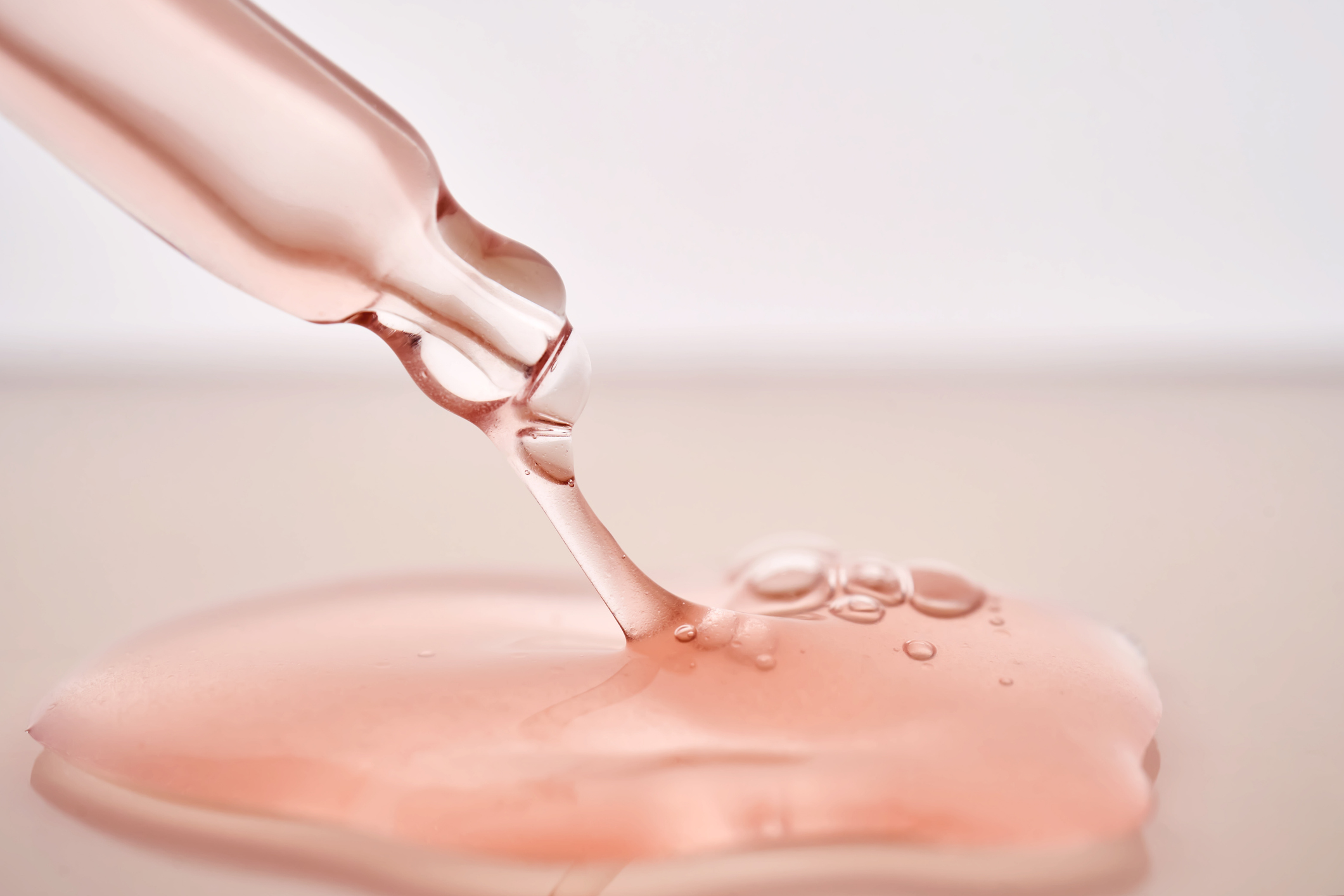
Maintaining a balance of hydration, barrier integrity, and cellular renewal is essential to healthy skin. When subjected to environmental stresses every day (changes in temperature, low humidity, and pollution), this balance can be lost over time, leading to dryness and reduced resilience.
Once the skin barrier is impaired, moisture escapes much more easily, causing discomfort and sensitivity. Panthenol, a biologically active form of Vitamin B5 for skin, has been thoroughly researched for its ability to address these underlying problems.
Rather than merely addressing superficial dryness, panthenol supports intrinsic skin processes that regulate hydration and barrier repair. This blog discusses the action of panthenol for skin at the structural and cellular levels, and why it remains a staple for hydrating, comforting, and promoting long-term skin health.
What is panthenol (vitamin B5)?
Panthenol is the alcohol form of pantothenic acid, more popularly referred to as Vitamin B5. It is widely employed in dermatological preparations due to its stability and strong affinity for the skin. Its unique ability to act as both a humectant and a barrier-supporting ingredient explains why panthenol is widely used in moisturisers, serums, and post-procedure skincare.
Biological involvement in skin health
Vitamin B5 is one of the key participants in cellular metabolism as it helps in the making of co-enzymes that are used in producing lipids. These lipids are the mortar of the skin wall, which binds cells and does not allow excess water to pass. In case of a disruption in this process, the barrier opens and causes dehydration and irritation.
Skin absorption and conversion
Panthenol is easily absorbed through and into the outer layers of skin, and is then converted enzymatically into pantothenic acid. This transformation enables vitamin B5 for skin to engage directly in maintenance of barriers and regulation of hydration as opposed to having to act on the surface alone. Clinically, this conversion explains why panthenol is commonly included in formulations for compromised skin, including post-procedure care, retinoid-associated irritation, and eczema-prone skin.
Did You Know?
Panthenol is the alcohol form of pantothenic acid, more popularly referred to as Vitamin B5
How panthenol works on the skin
Panthenol is involved in skin health in a series of pathways that are interconnected in a way that improves hydration and resilience.
Hydraulic suspension and water management
Panthenol attracts and binds water molecules in the surrounding and deeper layers of the skin, making it a humectant. This helps increase water on the outer skin, enhancing flexibility and reducing roughness. Notably, such hydration is sustained and not transient, and it helps in the long-term comfort of the skin.
Barrier reinforcement and protection
In addition to hydration, panthenol promotes the production of structural lipids, which increase the cohesion along a barrier. The proper functioning barrier minimises the environmental aggressor and moisture loss. These actions underlie numerous clinically proven panthenol benefits, especially in skin prone to dehydration and sensitivity.
Panthenol benefits for skin health and hydration
Recent clinical studies indicate that formulations enriched with panthenol significantly improve skin hydration and support faster barrier repair following dermatological procedures, while also reducing transepidermal water loss and post-procedure redness. The effect of panthenol on the health of the skin is not only direct and immediate (moisturisation), but also indirect. Here are some of them:
Better water retention
Panthenol improves the skin's capacity to absorb and retain water in the skin layers. This increase in moisture retention prevents dehydration with exposure to the environment and promotes the ease of texture and prolonged hydration instead of temporary effects on the surface.
Enhanced skin barrier activity
Panthenol enhances the cohesion of the barrier between skin cells by aiding with the lipid organisation of the cells. The stronger barrier is a limitation to the loss of moisture, and the skin is safeguarded against the external stressors, which leads to increased stability in hydration and overall skin resilience.
Increased skin elasticity and softness
Sufficient water intake enables skin cells to be flexible and voluminous. Adequate hydration supported by panthenol improves skin elasticity, making the skin feel softer and look more supple, which is needed to ensure a healthy-looking surface in the long run.
Less discomfort from dryness
Panthenol helps relieve some of the symptoms often associated with dehydration, including tightness and roughness. Better hydration balance enhances skin comfort by reducing sensitivity associated with a weakened barrier.
Quick Fact
Panthenol attracts and binds water molecules in the surrounding and deeper layers of the skin, making it a humectant.
Using panthenol for damaged or irritated skin
Weakened skin needs substances that can bring itself into order without pressing on delicate frameworks.
Why panthenol is well-suited to weakened skin
Panthenol is compatible with skin cells and helps them to repair without excessive stimulation. This is why vitamin B5 for skin is highly helpful in cases where the wall is damaged and requires strengthening, not paving.
Real-life application in skincare
Breathable formulations like a B5 hydrating serum are lightweight and hence readily penetrate the skin. This flexibility allows its use in everyday practices in all types of skin and under all kinds of environments. Such formulations are commonly recommended in dermatology for daily maintenance as well as during skin recovery phases.
Quick Tip
Using panthenol on slightly moist skin increases the ability of the skin to retain hydration as it can better seal water into the outer layers.
Safety, side effects, and tips for best results
Safety assessment refers to the large number of studies conducted on panthenol, given its widespread use in dermatological products.
Safety and skin tolerance
Scientific evaluation shows that the consistent use of panthenol does not cause any drastic changes to the skin's balance. Side effects are very rare, and when they are reported, they are normally associated with personal sensitivity, but not with the ingredient itself. It can be used in the preservation of hydration and barrier support without raising the risk of cumulative irritation due to its soft character.
Potential side effects
Even with regular use, panthenol is rarely associated with adverse effects. In rare instances, people can experience some temporary redness or discomfort; usually, it is a result of affected skin conditions or contact with other skincare ingredients. Gradual introduction of any new ingredient in the skin care helps the skin to become accustomed to it and reduces the chances of adverse reactions.
Tips for maximising results
To achieve the best results, panthenol for skin should not be used as an intermittent agent. Using it on slightly moist skin increases the ability of the skin to retain hydration as it can better seal water into the outer layers. A basic routine based on hydration and barrier protection tends to be more effective than a high rate of product rotation.
Long-term considerations
Panthenol has the most considerable advantages in the long term. This kind of regular use also leads to a way of enhancing the barrier resilience to more effectively resist the environmental stressors and to remain stable in terms of hydration levels. This supportive and gradual process emphasises that it is a reliable component of long-term skin health.
Final thoughts: Why panthenol is a skincare hero
Panthenol is a good example of a supporting skincare product that focuses on biological balance rather than immediate solutions. The root causes of dryness and sensitivity are addressed by its ability to increase hydration, support barrier structure, and make it more comfortable. The scientifically proven panthenol benefits prove that it is a primary ingredient to use to keep the skin strong, hydrated, and healthy in the long run. Panthenol is one of the most reliable ingredients for restoring barrier function and hydration in compromised skin. Its gentle yet biologically meaningful action makes it suitable for both daily skincare and recovery-focused regimens.
Frequently Asked Questions
1. Does panthenol help to recover skin barriers in the long run?
Panthenol plays a key role in the recovery of the barrier due to its lipid generation and maintenance of hydration. It assists in enhancing structural integrity with regular use, which decreases the loss of moisture and enhances the general skin resilience.
2. Is panthenol suitable for skin exposed to environmental stress?
Environmental stressors can affect barrier function and hydration. Panthenol is effective in reversing such effects and enhancing their protective structures and water, thus it is a good choice for skin that is subjected to some harsh environments.
3. Does panthenol have a short-term or long-term effect?
The immediate effect of panthenol is hydration that brings certain relief, but the main effects of this product are gained over time. In the long term, it is compatible with long-term barrier strength and hydration stability, and not short-term surface effects.
Share Article
Related Articles
May 27, 2026
•4 min read
Clinically ReviewedHow to Remove Blackheads from Nose: Effective Methods and Tips

Mar 31, 2026
•6 min read
Clinically ReviewedHow to Keep Skin Hydrated: A Complete Guide for All Skin Types
Mar 30, 2026
•6 min read
Clinically ReviewedHair Follicles Acting Up? Here’s All About Folliculitis