
 Medically Reviewed
General Health
The Comprehensive Guide To The Advantages Of Walking Backwards
Jun 11, 2026
•6 min read
Share Article

You're walking through a park, scrolling your phone for just a second, when you suddenly realise you've taken a wrong turn, and for a moment, you instinctively step backwards to retrace your steps. It feels awkward, slightly funny, and oddly unfamiliar, almost like your body is reminding you that it isn't used to moving that way. That simple, unusual motion is exactly what makes people curious about the advantages of walking backwards and why this unconventional form of movement is gaining attention in fitness circles.
In this blog, let's dive into the benefits of retro walking and explore how reversing something as basic as walking can positively challenge your body and mind. From improved strength and balance to sharper focus and coordination, discover how this simple change in direction can offer a refreshing approach to everyday fitness.
What is retro walking?
Retro walking, often referred to as walking backwards, is a form of movement that involves stepping in reverse rather than following the natural forward stride. While it may appear unconventional, this technique has long been used in rehabilitation and fitness training due to its unique ability to engage different muscle groups and challenge coordination.
By altering the body's usual movement pattern, retro walking encourages greater awareness, balance, and control. In recent years, it has gained popularity as more people discover the benefits of reverse walking, not only for physical strength and joint health but also for improving mental focus and overall well-being.
Retro walking is a form of movement that involves stepping in reverse rather than following the natural forward stride.
Physical advantages of walking backwards
The body responds remarkably well to new and unfamiliar movements, and this is where the advantages of walking backwards truly stand out. By reversing a simple daily activity, you activate different muscles, reduce strain on joints, and improve overall physical function. It is a subtle yet powerful way to challenge your body and enhance fitness without high-impact strain.
1. Strengthens glutes, quadriceps, and "lesser-used" muscles
Walking backwards shifts the workload onto muscle groups that are not as actively engaged during forward walking. The quadriceps play a greater role in stabilising the knees, while the glutes become more involved in controlling each step. Additionally, smaller stabilising muscles around the hips and calves are activated, helping to build balanced strength and reduce muscular imbalances over time.
2. Improves joint health and reduces knee pain
One of the key benefits of retro walking is its positive impact on joint health, particularly the knees. Unlike forward walking, which can place repeated stress on the knee joints, walking backwards reduces pressure on the patella and promotes better alignment. This makes it especially useful for individuals experiencing mild knee pain or those recovering from injuries, as it allows movement with less strain.
3. Relieves lower back pain through hamstring flexibility
Tight hamstrings are often linked to lower back discomfort, and walking backwards helps address this issue effectively. The movement naturally stretches and lengthens the hamstrings while strengthening surrounding muscles. As flexibility improves, tension in the lower back can decrease, leading to better posture and reduced discomfort in daily activities.
4. Boosts calorie burn and metabolic rate
Retro walking requires more effort and energy than walking forward at the same pace. Because the body is less accustomed to the movement, it works harder to maintain balance and coordination. This increased effort leads to higher calorie burn and a boost in metabolic rate, making it a useful addition to weight management and cardiovascular fitness routines.
5. Enhances posture, balance, and body coordination
Walking backwards demands greater awareness of body positioning, which in turn improves balance and coordination. The core muscles become more engaged, helping to support better posture and spinal alignment. Over time, this heightened sense of control can enhance overall movement efficiency and reduce the risk of falls or injuries.
6. Develops superior ankle strength and shock absorption
Retro walking also plays a significant role in strengthening the ankles and improving their flexibility. The altered foot movement encourages better control and enhances the body’s ability to absorb impact. This not only supports injury prevention but also contributes to improved performance in other physical activities, highlighting the long-term walking backward benefits for overall stability and resilience.
Retro walking promotes the release of feel-good hormones that help reduce stress and improve mood.
Mental benefits of reverse walking
Beyond physical fitness, the advantages of walking backwards extend to the mind in surprisingly powerful ways. It is a refreshing way to stimulate both body and mind at once.
Improves focus
Walking backwards requires constant attention, as the brain must carefully guide each step without the usual visual cues. This heightened awareness improves focus and concentration while sharpening sensory perception. Over time, it trains the mind to stay present and alert in everyday situations.
Enhances memory
Engaging in unfamiliar movement patterns stimulates different areas of the brain. Retro walking can support better memory recall by encouraging neural activity and cognitive flexibility.
Cognitive control
Maintaining balance while moving in reverse demands quick adjustments and precise coordination. This helps improve reaction times and strengthens cognitive control, allowing the brain to process information and respond more efficiently. Such benefits can be valuable in both physical activities and daily decision-making.
Boosts mood and reduces anxiety
Like many forms of exercise, retro walking promotes the release of feel-good hormones that help reduce stress and improve mood. Its mindful nature can ease anxiety by encouraging focus on the present moment. With regular practice, the benefits of retro walking may also support healthier sleep patterns by calming the mind and body.
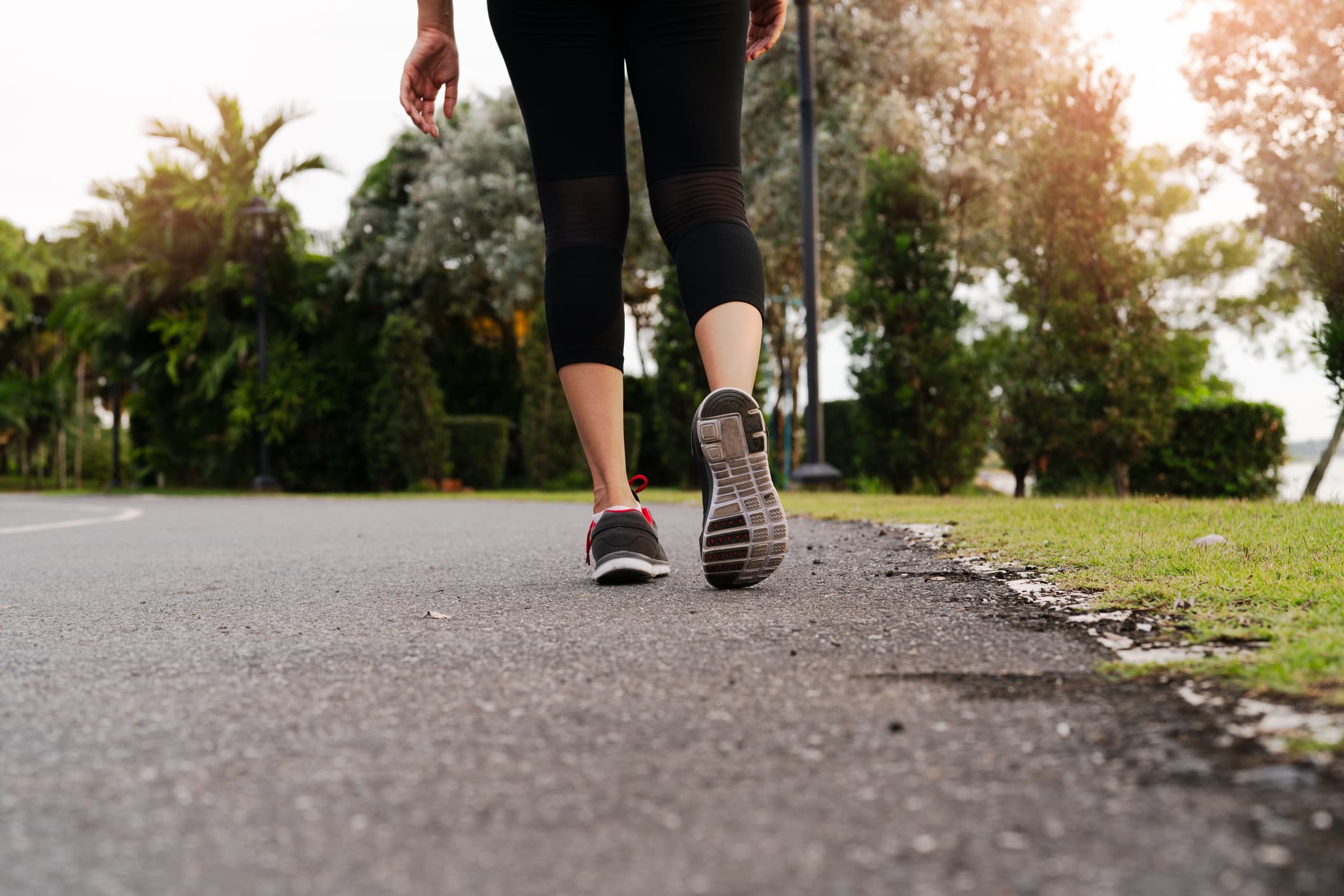
Choose a flat, obstacle-free area such as a park path or empty room to avoid tripping hazards.
Tips to safely practice walking backwards
Before you begin, it is important to understand how to approach this activity correctly to fully enjoy the walking backward benefits without risking injury. With the right technique and a bit of caution, you can make it a safe and effective part of your fitness routine.
- Choose a flat, obstacle-free area such as a park path or empty room to avoid tripping hazards.
- Walk at a gentle pace until you feel comfortable with the movement and balance.
- Look over your shoulder occasionally to stay aware of your surroundings.
- Let your arms move naturally to help stabilise your body as you walk.
- Supportive, non-slip shoes can help prevent slips and improve stability.
- Practise in quiet spaces to reduce the risk of collisions.
- Start at a low speed with hand support if needed before moving outdoors.
- Keep a shoulder-width distance between the legs to avoid crossing over the other foot.
Fitness, with a twist in direction
The advantages of walking backwards lie in its ability to break the monotony of regular movement and reawaken how your body and mind work together. It is a simple shift that adds an element of fun to your routine, encouraging better awareness, steadier control, and a more mindful approach to fitness. Instead of following the usual path, this practice reminds you that even small changes in direction can lead to meaningful improvements in overall well-being.
Frequently Asked Questions
1. How many minutes a day should I walk backwards?
Beginners should start with 5–10 minutes a day and gradually increase to 15–20 minutes as balance and confidence improve. It is best to include it a few times a week rather than overdoing it initially.
2. What are the disadvantages of walking backwards?
The main disadvantages include a higher risk of tripping or falling if done in unsafe areas, and muscle strain if you push too hard too soon. It also requires more focus, which can feel tiring for beginners.
3. Is it healthy to walk backwards?
Yes, walking backwards is generally healthy when done correctly. It can improve balance, strengthen muscles, and support joint health while also giving both physical and mental benefits. It's also good for people with knee arthritis who cannot walk for too long; intermittent retro walking can help them increase their total walking time.
Sources:
Share Article