

 Medically Reviewed
Diet & Nutrition
What is an Insulin Resistance Diet? Best Foods for Insulin Resistance
Jun 8, 2026
•7 min read
Share Article

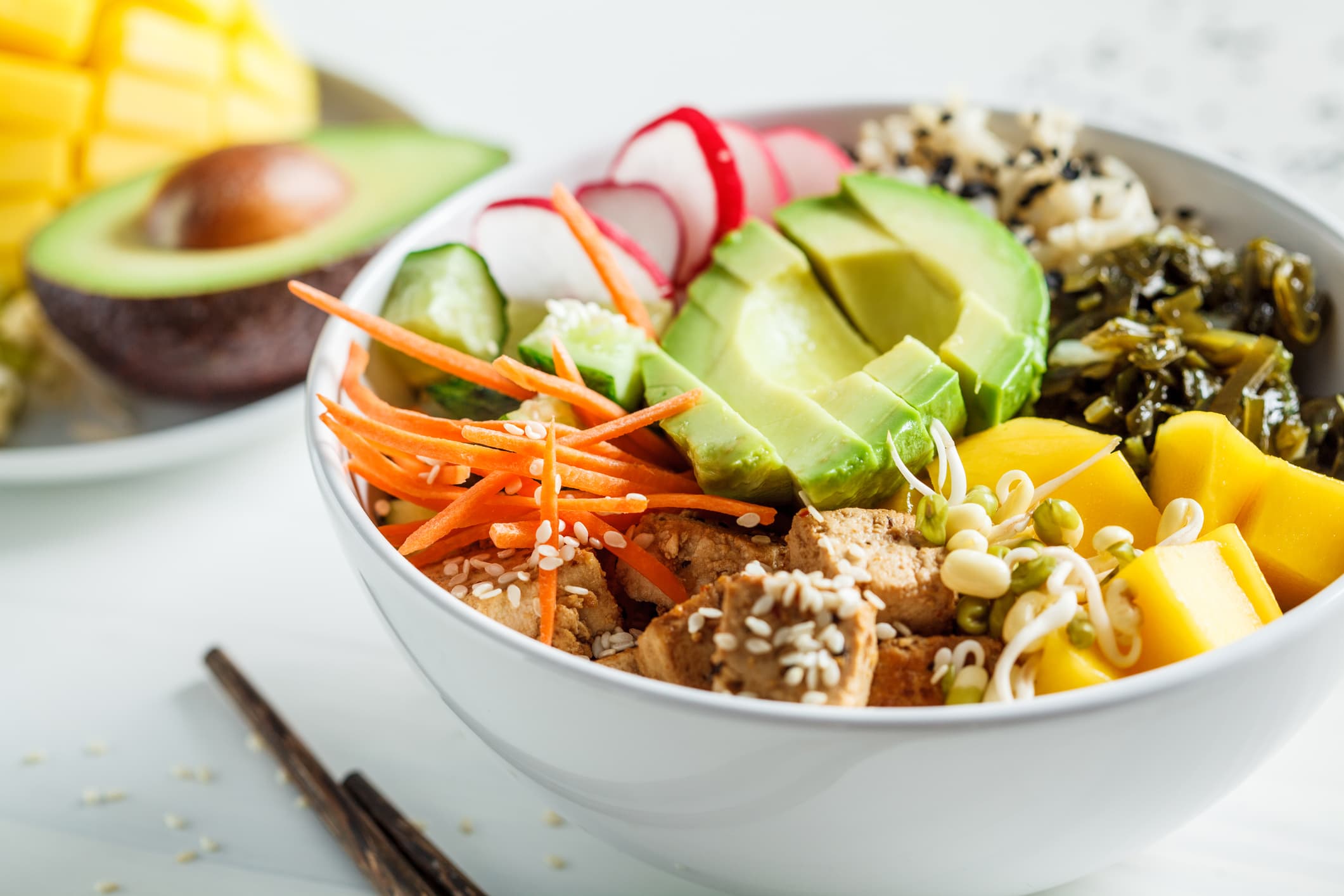
Ever feel like your energy levels have a mind of their own? One moment, everything is running smoothly, and the next, you're wondering, "Why am I suddenly exhausted?" These fluctuations are often linked to how the body processes sugar, which is where an insulin resistance diet can make a real difference.
This approach isn't about quick fixes or cutting out entire food groups; it's about balance and consistency. Think of it as replacing unpredictable energy spikes with a steady, reliable flow throughout the day. A diet designed for insulin sensitivity focuses on simple swaps, smarter food combinations, and meals that keep energy levels stable, avoiding those sudden crashes.
It's not about denying yourself foods you enjoy. Instead, it's about learning how to incorporate meals that work with your body, maintain energy, control cravings, and make mid-day slumps far less disruptive. When your food is doing its job properly, managing energy and hunger becomes much easier.
What is an insulin resistance diet?
An insulin resistance diet is designed to help the body use insulin more effectively. Insulin is a hormone that transports sugar from the blood into cells to provide energy. When the body becomes resistant to insulin, blood sugar levels can remain higher than normal, potentially leading to long-term health issues.
This diet typically emphasises low-carbohydrate, whole, minimally processed foods, with a focus on balanced nutrients and a steady release of energy. By prioritising fibre, healthy fats, and lean proteins, it helps prevent drastic spikes in blood sugar.
Scientific studies suggest that a well-balanced diet, regular meal timing, portion control, nutritious eating, rich in whole grains, fruits, vegetables, and healthy fats, can improve insulin function and support overall metabolic health. Adequate fluid intake is an important part of this diet, as proper hydration supports metabolism and helps regulate blood sugar levels.
Insulin is a hormone that assists in transporting sugar from the blood to cells to provide energy.
Best foods for insulin resistance
Choosing the right foods when managing insulin resistance is not about strict restriction, but about smart inclusion. The following are foods for insulin resistance that can help support stable blood sugar levels and overall metabolic health.
Fruits
Fruits can certainly be included in an insulin resistance diet, but it's important to choose them wisely and practise portion control. Natural sugars are found in whole fruits, such as berries, apples, oranges, and pears, as well as fibre, which reduces the rate at which sugar gets into the bloodstream. This assists in avoiding spikes and crashes.
Fruits are also rich in antioxidants, which can help combat inflammation and support metabolic health. Pairing fruits with protein or healthy fats can further stabilise energy levels and improve how the body processes sugar.
High fibre
Fibre is considered one of the most significant elements of an insulin-sensitive diet. It retards the digestion process so that the sugar gets into the bloodstream slowly as opposed to being rushed in. Good sources are foods such as whole grains, beans, lentils, vegetables, and seeds.
In particular, soluble fibre has been found to positively affect insulin response and gut health. A fibre-rich diet can also promote a feeling of fullness, making it easier to maintain balanced eating habits. A regular intake of fibre in food may help a lot in stabilising the metabolic state in the long run and also minimise the variation in the energy state. Pairing fibre-rich foods with protein and healthy fats can further enhance blood sugar stability and insulin sensitivity.
Limited carbs
Carbohydrates are not bad, but the kind and the amount consumed are issues in an insulin-resistant diet. White bread, pastries, and sweet snacks are refined carbohydrates that may easily increase sugar levels, resulting in spikes and crashes. Choosing low glycaemic index carbohydrates can further help in preventing sudden increases in blood sugar levels.
Rather, emphasis on complex carbohydrates like whole grains and minimally processed food assists in supplying slower, more consistent energy release. It is also necessary to control the portion size since even the healthier carbs may influence sugar levels if they are overused. Having a balance between carbs, protein, and fats leads to maintaining the overall glucose control and aids insulin activity.
Lean protein
Lean protein is important in the maintenance of blood sugar levels and is a vital ingredient of insulin-resistant foods. Poultry, fish, eggs, legumes, and tofu are some of the sources that can be used to slow down digestion and minimise spikes in sugar levels right after meals. Additionally, protein has a low glycaemic impact, which makes it especially beneficial for controlling insulin levels.
Protein is also known to aid in satiety; that is, people feel fuller longer and do not snack unnecessarily. Protein can be included in every meal to maintain muscle health and enhance the efficiency of metabolism. In the long run, a balanced diet in terms of protein helps in improving insulin response and general energy balance during the day.
Healthy fats
Healthy fats, especially omega-3 fatty acids, play a crucial role in a diet aimed at improving insulin sensitivity. Unsaturated fats found in foods like nuts, seeds, olive oil, and avocados can help reduce insulin resistance and inflammation.
Avoiding trans fats and limiting saturated fats (found in fried and processed foods) is essential, as they can increase insulin resistance and negatively affect heart health.
These fats slow down digestion, which helps control the rate at which sugar enters the bloodstream. They also support heart health and provide sustained energy. Replacing unhealthy fats with these healthier options can have a positive impact on overall metabolic health.
Low-fat dairy
An insulin resistance diet can include low-fat dairy products because they contain vital nutrients such as protein and calcium without containing too much saturated fat. Options like yoghurt and milk can aid satiety and assist in keeping energy levels balanced. Fermented dairy products like yoghurt and buttermilk may support gut health, which is linked to improved insulin sensitivity.
According to a few studies, moderate dairy consumption might be beneficial to metabolic health when taken as part of a balanced diet. It is significant to use unsweetened options to prevent added sugar in the diet. Moderated dairy consumption can be used as a supplement to other nutritious foods, and this will help to make the eating pattern complete.
Unsaturated fats found in foods like nuts, seeds, olive oil, and avocados can help reduce insulin resistance and inflammation.
Insulin resistance diet: Foods to limit
A well-planned diet for insulin sensitivity focuses not only on including the right foods but also on limiting those that can spike blood sugar or worsen insulin resistance. Being mindful of what to avoid is key to maintaining steady energy levels and supporting overall metabolic health.
Foods to limit or avoid:
- Sugary drinks like sodas and fruit juices
- Sweets, chocolates, and desserts that are high in refined sugar
- White bread, pastries, and other refined grains
- Deep-fried and highly processed foods
- Excessive starchy foods such as white rice and potatoes
- High-fat processed meats and trans-fat-containing snacks
According to a few studies, moderate dairy consumption might be beneficial to metabolic health.
Finding the right balance is the key
Balance, rather than perfection, is the key to a successful diet for insulin sensitivity. Including fibre, protein, and healthy fats in every meal helps maintain steady energy levels and reduces cravings.
Lifestyle habits are equally important. Regular exercise, quality sleep, and stress management all support healthy insulin function. Staying well-hydrated is also essential, as adequate water intake supports metabolism, helps regulate blood sugar levels, and improves overall body function. Long-term habits, rather than short-term fixes, make the most significant difference.
Eating healthily doesn't have to feel like a punishment; it can be empowering. An insulin-resistant diet isn't about removing foods; it's about adding the right ones. For anyone navigating hectic days, irregular schedules, and countless food choices, the goal is simple: balance. With the right foods for insulin resistance, steady energy, improved focus, and better overall well-being can become the norm.
Frequently asked questions
1. What is the best diet for insulin resistance?
The most effective one is a moderate insulin resistance diet, which is full of fibre, adequate in lean protein, and healthy fats. Vegetables, fruits, and whole grains form whole foods, which are known to stabilise the sugar level and aid improved insulin activity in the long term.
2. What food to avoid if you have insulin resistance?
Consumption of highly processed foods, sweet snacks, refined grains, and sweetened beverages should be reduced. Fried foods and those high in trans fats should be avoided, as they increase inflammation and negatively affect insulin function. They may result in fast spikes in the level of sugar, making it more difficult to keep the body balanced and promote insulin sensitivity.
3. What is a good breakfast for insulin resistance?
A healthy breakfast presents protein, fibre, and healthy fats. The alternatives, such as whole grains with yoghurt, fruits, or nuts, would contribute to constant energy and do not allow sudden surges in sugar levels during the morning.
4. What vegetables are good for insulin resistance?
Good options include non-starchy vegetables, such as spinach, broccoli, and bell peppers. Including a variety of colourful, seasonal vegetables ensures a wide range of vitamins, minerals, and phytonutrients that support blood sugar control. They contain high amounts of fibre, contain low sugar levels, and contain various nutrients that aid in the overall metabolic health and insulin sensitivity.
5. What drinks reverse insulin resistance?
Water is the best and most effective choice. Unsweetened beverages, such as herbal teas, can also be beneficial in supporting overall metabolic health. It's important to avoid sugary drinks, as they can cause rapid spikes in blood sugar and, over time, negatively impact insulin function.
Share Article