

 Clinically Reviewed
Skin & Hair Health
What is Pruritus? Causes, Symptoms & Relief Expert Guide
Aug 19, 2025
•6 min read
Share Article

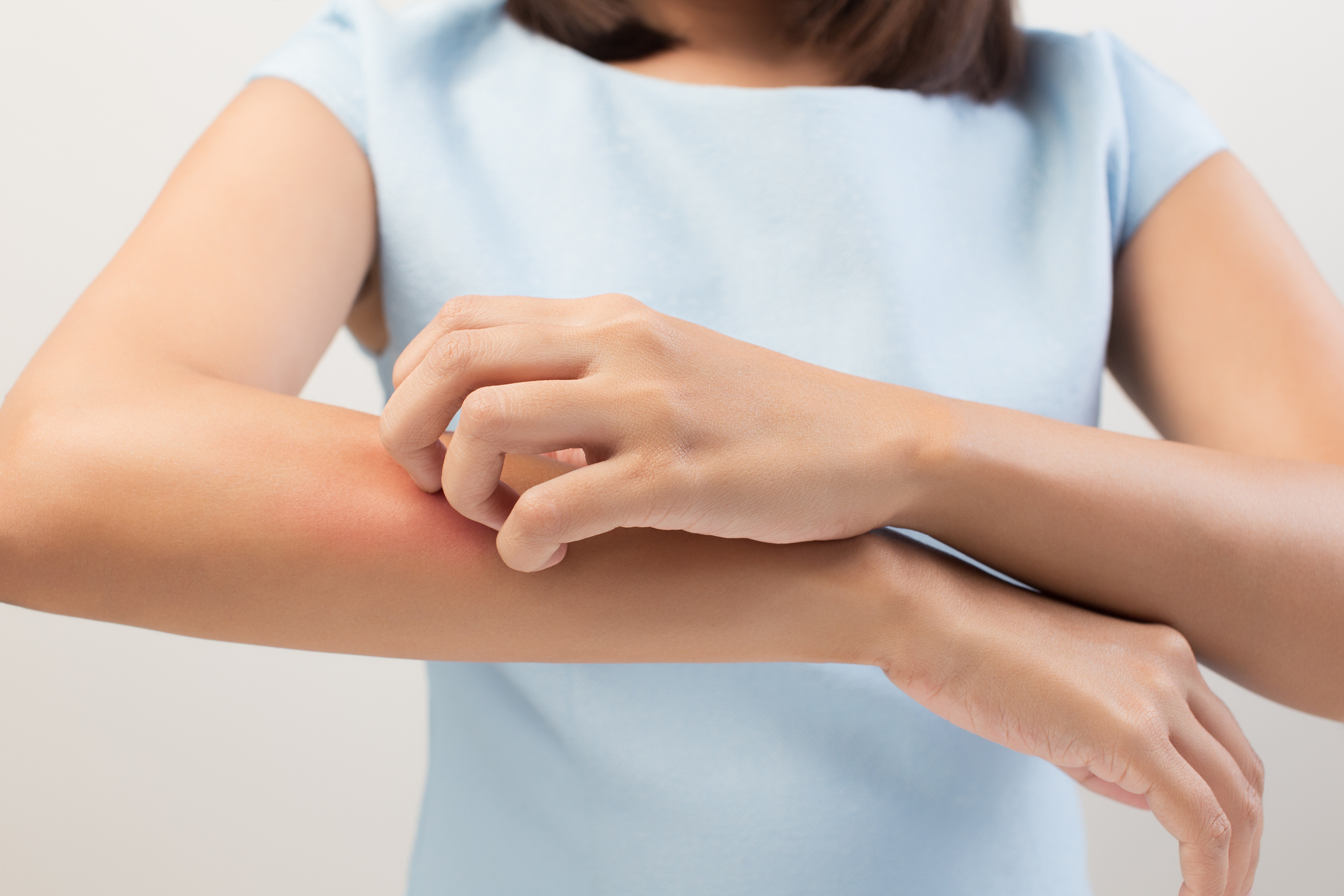
Pruritus or itchy skin is a common concern in India and can significantly impact quality of life. While occasional itching is normal, persistent pruritus may indicate an underlying health condition that requires medical attention. Understanding its causes, symptoms, and management strategies can help alleviate discomfort and prevent complications. In India, a large majority of patients with superficial dermatophytosis experience pruritus, with 89.9% reporting itchiness confined to skin lesions. Additionally, severe or very severe itching affects 74.7% of patients, highlighting the need for effective treatment and care.
Pruritus: The itch that won't quit
Pruritus is commonly referred to as a burning and itching sensation that may be prickly. It may manifest at any point in the body without affecting the feel of the skin. The condition may either be acute or chronic; it may also be classified for either less than six weeks or more than six weeks. This is basically not a disease but a symptom and is backed up with other conditions.
Types of pruritus: Scratch beyond the surface
Pruritus or itching isn’t just one condition — it comes in different forms, each with unique causes and treatment needs. The four main types are:
- Cutaneous Pruritus:
This type originates from the skin itself and is often linked to visible conditions like eczema or dermatitis. - Systemic Pruritus:
Caused by internal disorders affecting organs like the liver or kidneys, this type requires treating the underlying condition for relief. - Neurogenic Pruritus:
Stemming from nerve damage or malfunction, this type is particularly tricky to manage. - Psychogenic Pruritus:
Triggered by psychological factors rather than physical causes, this form occurs without visible skin changes.
Since some types of pruritus don’t cause visible skin changes, diagnosing them can be challenging. That’s why a thorough assessment of symptoms and patient history is crucial. Proper classification ensures the right treatment approach, making accurate diagnosis the key to effective itch relief!
Pruritus symptoms & signs
Pruritus symptoms are complex and may have considerable consequences in daily life. Its most striking feature is an inexorable urge to scratch that may be associated with visible marks or eruptions on the skin. The patient may experience alterations such as dryness and cracking with eventual crusting and redness or inflammation as the hallmark features. The condition can be quite aggravating at night and causes sleep disturbances that affect well-being. Many exacerbations are experienced during stressful periods, creating a vicious cycle of irritation and nervousness. Chronic cases stay on for extended periods, disturbing body as well as mind health.
Causes and risk factors for pruritus
Pruritus or itching can arise from a wide range of causes, making effective management dependent on identifying the right triggers and risk factors. Often, skin conditions like eczema or psoriasis are the primary culprits. However, internal (systemic) diseases affecting the liver, kidneys, or thyroid can also lead to widespread itching. For example, during pregnancy, conditions like intrahepatic cholestasis (a liver disorder that reduces bile flow) or hormonal changes can trigger persistent itchiness.
Other common causes:
- Allergic reactions can lead to itching as the immune system overreacts to substances like pollen, dust, or certain foods.
- Neurological disorders, such as nerve damage or conditions like multiple sclerosis, can cause abnormal itch sensations.
- Psychological factors like stress and anxiety may amplify the sensation of itching, even without a physical trigger.
- Environmental irritants (such as harsh soaps, pollution, or extreme temperatures) and certain medications can also provoke or worsen pruritus.
Since some drugs can directly cause itching as a side effect, healthcare providers must thoroughly review medications to rule out drug-induced pruritus. Understanding these diverse triggers is key to creating targeted treatment plans and preventing flare-ups. Itching or pruritus is a complex process involving the skin, nerves, and brain. It starts when special nerve endings in the skin — called C-fibres — detect an itch-inducing trigger. These fibres then send signals through the spinal cord to the brain, which interprets them as an itch and prompts the urge to scratch.
What triggers the itch sensation?
Different chemicals in the body act as messengers, activating nerve endings and causing itching. Some of the most important ones include:
- Histamine –
Released by immune cells during allergic reactions, causing inflammation and itching (e.g., mosquito bites, hives) - Cytokines (e.g., IL-31) –
Proteins involved in immune responses, often linked to chronic skin conditions like eczema - Substance P –
A neuropeptide that enhances pain and itch signals, making the sensation more intense - Bile acids –
Build up in liver disorders like cholestasis, leading to widespread itching - Opioids –
The body's natural painkillers, which can sometimes also trigger stress-related itching - Prostaglandins –
Chemicals involved in inflammation, increasing itch intensity in conditions like psoriasis.
Why do we feel the need to scratch?
Scratching works by temporarily disrupting the itch signal. It creates a mild pain sensation, which travels through the same nerve pathways as itch signals, essentially ‘distracting’ the brain. However, excessive scratching can damage the skin, leading to inflammation, infections, or even more itching — a cycle known as the itch-scratch loop.
Why does itching differ based on the cause?
- Skin-related itching (e.g., eczema, insect bites) is triggered by histamine
- Internal disease-related itching (e.g., liver or kidney disease) involves bile acids or toxins in the blood and may not improve with standard anti-itch treatments.
- Neurological itching (e.g., nerve damage, multiple sclerosis) results from malfunctioning nerve signals and often doesn’t involve skin irritation.
- Psychogenic itching (stress-related itching) is linked to psychological factors rather than physical triggers.
Understanding these mechanisms helps in choosing the right treatment to break the itch cycle effectively.
Precautions and home remedies for pruritus
Effective pruritus management involves a combination of preventive care and targeted home remedies. The foundation of skincare begins with regular moisturising using fragrance-free products to keep the skin hydrated and reduce irritation. Lukewarm baths help maintain the skin’s natural barrier, while gentle, hypoallergenic soaps prevent further aggravation. Applying cold compresses can be soothing for quick relief during flare-ups.
Lifestyle and environmental adjustments
- Humidity control:
Keeping indoor humidity at moderate levels prevents excessive skin dryness. - Comfortable clothing:
Loose, breathable fabrics (such as cotton) reduce friction and irritation. - Stress management:
Relaxation techniques like mindfulness, meditation, or breathing exercises can help break the itch-anxiety cycle, which often worsens pruritus.
Natural and over-the-counter remedies
- Oatmeal baths & aloe vera: Known for their soothing properties, these can help calm inflamed skin.
- Calamine & hydrocortisone creams: Available over the counter, these target itch and inflammation effectively.
The role of diet & hydration
Maintaining good hydration and a nutrient-rich diet supports overall skin health, forming the foundation for effective pruritus management. Proper skin nourishment helps reduce flare-ups and promotes long-term relief.
Did You Know?
Chronic pruritus affects as many as 15% of adults worldwide, more than diabetes, but this condition is largely underdiagnosed and undertreated.
You're not alone: Fight off pruritus today
It is pretty hard to live with pruritus because this disease is so complex and has not only managerial but also cognitive aspects. Most influences are the constant urge to scratch in daily life. However, if proper skincare routines are conducted, dietary modifications are made, and stress management techniques are developed, you may find relief. The best secret to good management involves figuring out triggers, maintaining chronic treatment routines, and prompt medical intervention when needed.
Consider consulting a dermatologist if pruritus is:
- Persistent or severe
- Associated with systemic symptoms (e.g., fever, weight loss)
- Accompanied by skin lesions, jaundice, or swelling
Remember, however, that pruritus is generally indicative of an underlying disease for which appropriate treatment must ensue. Most people affected by pruritus can expect relief post treatment.
Frequently Asked Questions
1. What is the difference between itching and pruritus?
Whereas itching states a temporary feeling, pruritus is a medical term that suggests chronic or severe itching that might eventually indicate other health conditions.
2. What is the difference between pruritus and urticaria?
Pruritus is the sensation of itching, and urticaria-hives is the medical term for a particular skin disorder characterised by raised, itchy welts and inflammation.
3. Which cancers can cause itchy skin?
Lymphoma, leukaemia, liver cancer, and multiple myeloma commonly cause pruritus. Sometimes, itching appears as an early warning sign before other cancer symptoms.
4. What are the most frequent causes of pruritus itching in older adults?
Common causes of pruritus among the elderly include age-related dry skin, reduced oil production, decreased circulation, medications, and chronic diseases such as diabetes or renal disease.
5. Who does pruritus affect?
Pruritus affects all, regardless of age and gender. It is common in old patients suffering from chronic diseases or other skin conditions.
Share Article
Related Articles
May 27, 2026
•4 min read
Clinically ReviewedHow to Remove Blackheads from Nose: Effective Methods and Tips

Mar 31, 2026
•6 min read
Clinically ReviewedHow to Keep Skin Hydrated: A Complete Guide for All Skin Types
Mar 30, 2026
•6 min read
Clinically ReviewedHair Follicles Acting Up? Here’s All About Folliculitis