

 Medically Reviewed
Skin & Hair Health
Why Shea Butter Is a Winter Skincare Hero
Feb 2, 2026
•6 min read
Share Article

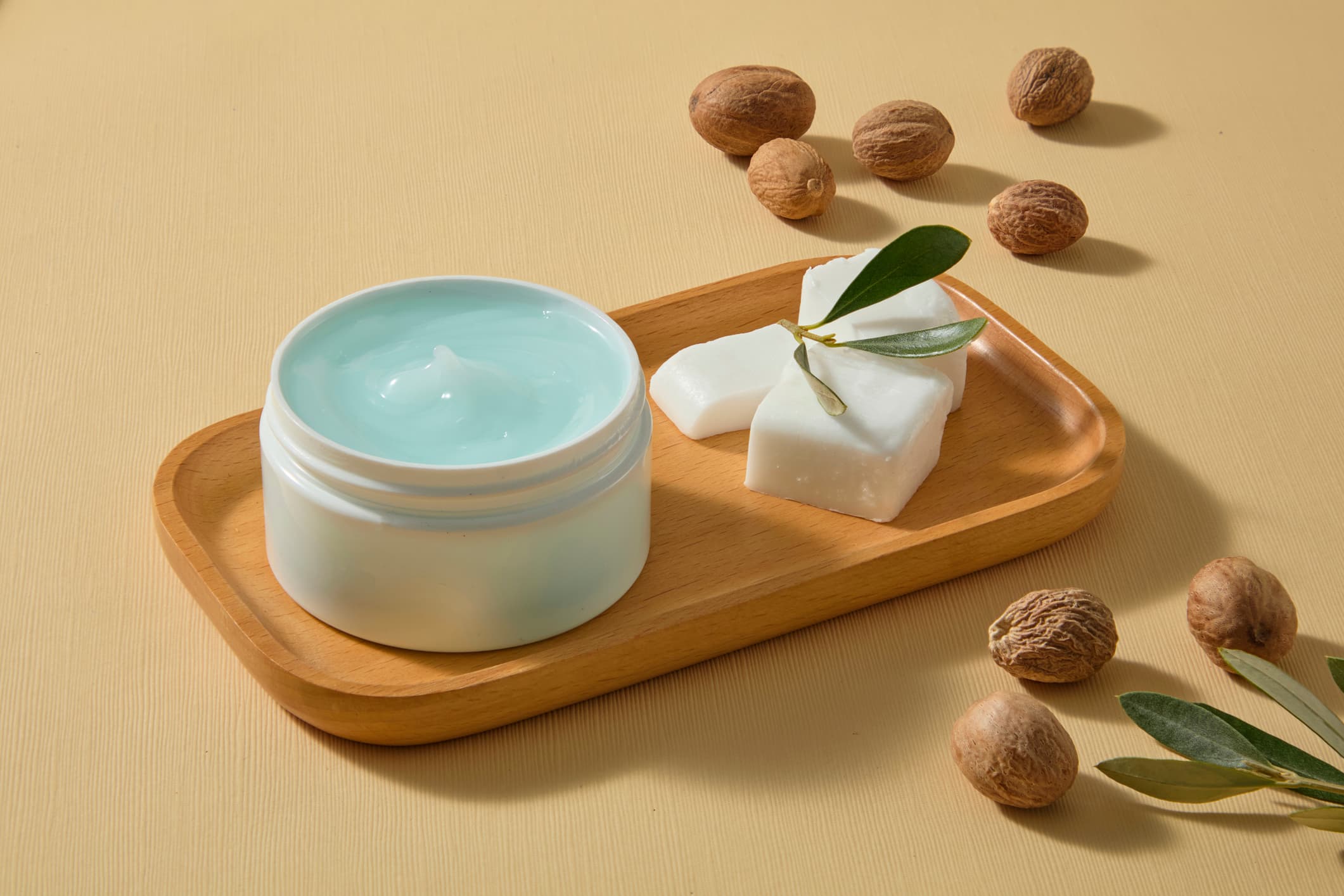
Imagine a skincare ingredient so indulgent that it feels like wrapping your skin in a cosy, buttery hug; well, meet shea butter. This age-old natural marvel has been treasured for centuries across Africa for its nourishing and healing properties, long before it became a celebrity favourite in modern beauty routines. Today, shea butter for skin is celebrated for its ability to deeply moisturise, soothe irritation, and even protect against environmental stressors, making it a must-have for anyone seeking healthy, radiant skin.
In this blog, we’ll dive into the fascinating world of shea butter benefits, exploring how this versatile ingredient can transform your daily skincare regimen and why it deserves a spot on your shelf.
What is shea butter?
Shea butter is a natural oil extracted from the nut of the African shea tree, called Vitellaria paradoxa. Long revered in Africa for its healing and moisturising properties, it has now become part of everyday skincare around the world. Many people love using shea body butter as a deeply nourishing option for dry skin during colder months.
The following are types and grades of shea butter, each possessing distinctive properties:
- Raw or unrefined shea butter:
Creamy or slightly grainy in texture, it retains most of its natural vitamins and nutrients. Its subtle nutty aroma and rich composition make it highly effective for hydration and skin repair. - Refined shea butter:
This is processed to remove colour and scent, making it look neutral. While this is more convenient for cosmetic formulations, some of the nutrients may be reduced through refining. - Organic shea butter:
Shea butter organic, made without chemicals or pesticides, retains the highest levels of antioxidants and vitamins, thus making it perfect for sensitive skin and individuals who prefer natural skincare products.
Shea butter is a natural oil extracted from the nut of the African shea tree, called Vitellaria paradoxa.
Shea butter benefits for skin health
Shea butter is a nutrient-heavy natural ingredient used to derive multiple benefits for skin health. With its powerhouse combination of vitamins, fatty acids, and antioxidants, shea butter maintains soft, healthy, glowing skin. Shea butter contains stearic and oleic acids in an ideal balance, allowing it to moisturise deeply without feeling greasy. Skincare enthusiasts swear by shea butter for skin as an integral part of their daily routine.
Key benefits include the following:
- Packed with vitamins
Vitamins A, E, and F in shea butter help protect the skin from damage, promote skin repair, and enhance elasticity for a more even-toned glow.
- Soothes and calms
Its anti-inflammatory action reduces irritation, redness, and conditions such as eczema, thus making it perfect for sensitive or stressed skin. Clinical evidence suggests that moisturisers formulated with shea butter enhance skin hydration and alleviate symptoms in individuals with mild to moderate eczema, highlighting their suitability for sensitive or barrier-impaired skin.
- Rich in antioxidants
Natural antioxidants fight free radicals, slowing down the signs of ageing while protecting the skin from environmental damage.
- Intense moisturising
The fatty acids in shea butter deeply nourish the skin, forming a protective barrier to lock moisture within the skin. This makes it especially beneficial as shea butter for dry skin, keeping those flaky, rough areas soft and supple.
Shea butter for dry skin: How it locks in moisture
Winter often leaves skin tight, rough, and dehydrated. Shea butter effectively fights against such effects because of its high concentration of fatty acids that help lock the moisture in, restoring the skin's natural barrier. Among its many qualities, the shea butter benefits include nourishing and protecting the skin, making it softer and more resilient even in harsh weather.
When continuously used, shea butter can deeply sink into the dry skin, moisturising from within to avoid flakiness and rough patches. It works by forming a light, protective layer on the skin, helping to prevent water loss and keeping the skin soft and smooth all day. Thus, it acts as an ideal natural remedy for winter dryness and among those seeking long-lasting moisturisation without using heavy chemicals.
The fatty acids in shea butter deeply nourish the skin, forming a protective barrier to lock moisture within the skin.
Why shea butter works so well in winter
Throughout the winter, most people face the issue of dry skin and sensitivity owing to the weakened skin barrier. Cold air, low humidity, and indoor heating strip the skin of its natural oils, dehydrating and making it easily irritated. Luckily, this unique composition of shea butter makes it a highly effective ally in winter skincare.
Shea butter is rich in lipids and fatty acids that help replenish the skin's natural oils and this helps reduce transepidermal water loss (TEWL), a key contributor to winter dryness. Soothing anti-inflammatory compounds calm redness and sensitivity from harsh winter conditions, while hydration-retaining properties lock in moisture and generally improve skin elasticity. Many skincare enthusiasts incorporate shea butter for skin into their routine precisely for these protective and nourishing effects.
In addition to moisturising, the many shea butter benefits include long-term skin resilience. Scientific studies suggest that topical application improves skin barrier function to resist environmental stressors. This makes shea butter an excellent natural treatment for keeping skin soft and healthy during the colder months.
Mix shea butter with natural oils such as jojoba, almond, or coconut oil to make a body butter or lip balm suited to your specific skin needs.
How to use shea butter in your winter skincare routine
Adding shea butter to your winter skincare routine is quite easy, and it can be very versatile. Rich and nourishing, it can be just perfect for combating dry, flaky skin during the colder months of the year.
Here are some practical ways of including it in your routine:
- As a body moisturiser:
Apply liberally after showering to lock in moisture. Pay extra attention to rough areas like elbows, knees, and heels. - For the face:
It is said that shea butter for the face is excellent for use as a nighttime cream or as part of a home remedy application on dry spots. Light yet with a completely nourishing texture, it hydrates without clogging pores. Individuals with acne-prone or oily skin should use it sparingly or opt for formulations where shea butter is combined with lighter ingredients. - Lip care:
It soothes chapped lips instantly and helps prevent dryness in winter. - Hands and feet:
Massage shea butter into hands and feet before bedtime, then wear cotton gloves or socks overnight for intensive moisturisation. - DIY winter treatments:
Mix with natural oils such as jojoba, almond, or coconut oil to make a body butter or lip balm suited to your specific skin needs.
Final thoughts: Should you add shea butter to your winter routine?
If your skin could whisper, it would probably sing praises of shea butter for the skin. Beyond the sumptuous texture, the transformative effects of shea butter is nothing short of miraculous, hydrating, soothing, and leaving a healthy glow on your complexion. The long list of wonders of shea butter benefits includes repairing dryness, calming irritation, and providing a protective barrier against extreme environmental factors. With continued use, it is easy to see why this ancient ingredient has survived the test of time. So, whether you are fighting flaky patches or just want that silky feeling on your skin, incorporating shea butter could be just the gentle yet effective skincare ritual your skin is waiting for.
Frequently Asked Questions
1. What is shea butter?
Shea butter is a natural fat extracted from the nuts of the African shea tree, prized for its moisturising and healing properties.
2. How does shea butter benefit the skin?
Shea butter benefits the skin by deeply hydrating, soothing irritation, and improving elasticity, leaving it soft and supple.
3. Can shea butter help with dry skin?
Yes, it's rich, emollient texture locks in moisture, making it excellent for relieving dryness and rough patches.
4. Is shea butter suitable for sensitive skin?
Yes. Shea butter is generally well tolerated and helps soothe irritation, making it suitable for sensitive and eczema-prone skin when used in well-formulated products.
Share Article
Related Articles
May 27, 2026
•4 min read
Medically ReviewedHow to Remove Blackheads from Nose: Effective Methods and Tips

Mar 31, 2026
•6 min read
Medically ReviewedHow to Keep Skin Hydrated: A Complete Guide for All Skin Types
Mar 30, 2026
•6 min read
Medically ReviewedHair Follicles Acting Up? Here’s All About Folliculitis