

 Clinically Reviewed
Skin & Hair Health
30s Hair Woes? Keep Your Strands Strong
Jan 12, 2026
•7 min read
Share Article

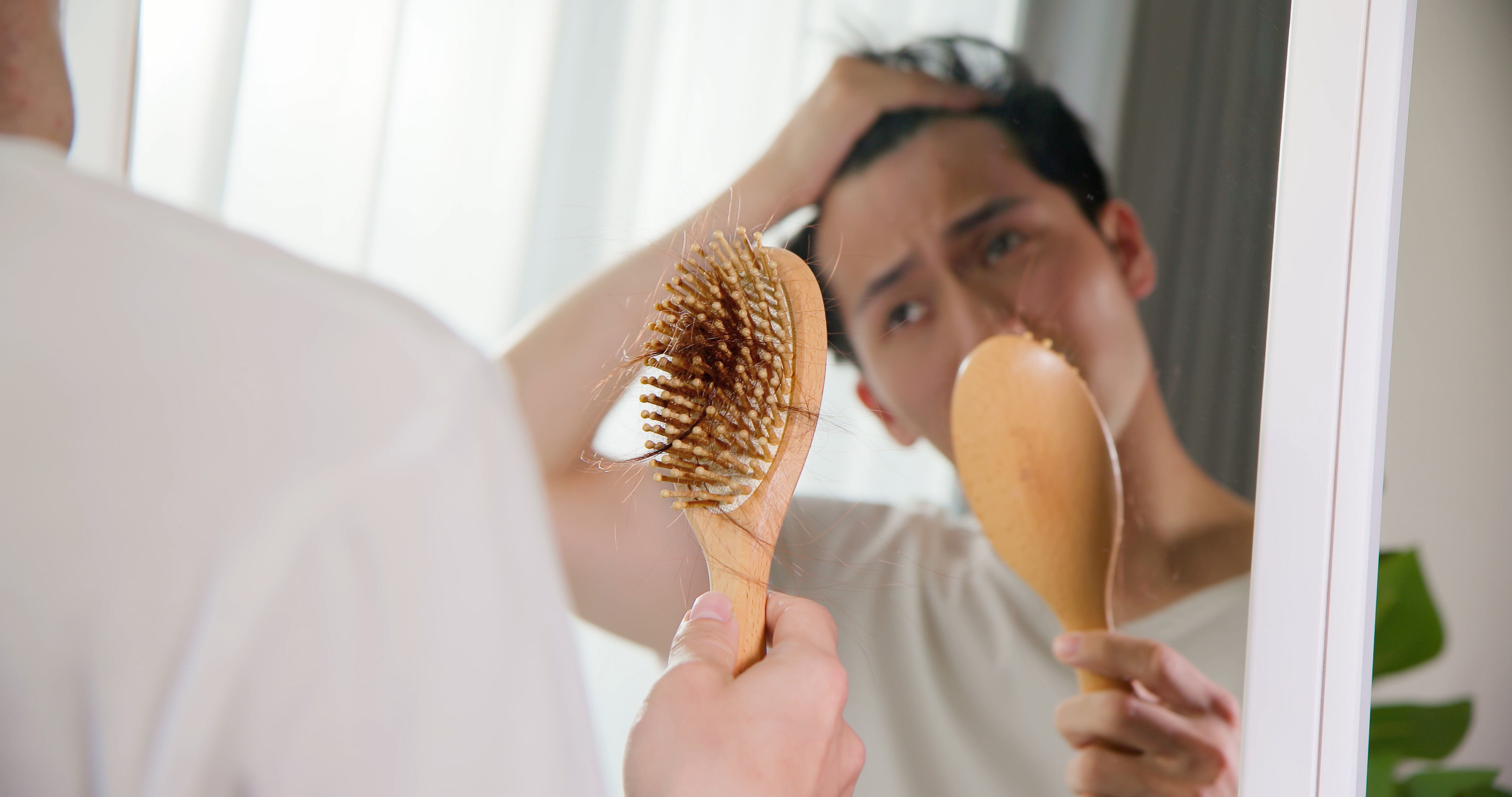
Your 30s are all about levelling up, wiser choices, better skincare, and yes, a new chapter for your hair too. Those glossy locks you flaunted in your 20s might now feel a bit rougher, drier, or more prone to damage. It’s not something to worry about; it’s simply your hair evolving right along with you.
You might also notice subtle hair thinning in your 30s, or a bit of extra shedding after a long week; it’s more common than you think. Hair naturally adapts to hormonal changes, lifestyle shifts, and even stress levels. And while people of any age can experience hair changes, by 65, nearly 53% of men and 37% of women will notice some degree of thinning or hair loss.
However, hair loss in the 30s doesn’t have to mean losing your hair’s charm. With a little care and self-kindness, your strands can stay just as strong and radiant, just with a touch more wisdom woven in.
Why hair changes happen in your 30s
Hair loss in 30s is often driven by a mix of hormonal shifts, genetics, and lifestyle factors. For women, changes in oestrogen and progesterone can slow hair growth or cause thinning, while men may see effects from testosterone and dihydrotestosterone (DHT), leading to male-pattern baldness. Stress, poor diet, lack of sleep, and environmental factors like pollution, UV exposure, and heat styling can further weaken hair strands. Understanding these causes can help you take proactive steps to maintain stronger, healthier hair.
Did You Know?
Dermatology data suggest that around 40% of people in their late 20s and nearly 50% in their 30s report noticeable hair loss.
Hair loss in 30s: Causes for men and women
Noticing more strands on your pillow or in the shower? Hair loss in 30s can be alarming, but understanding the underlying causes can help you tackle it early and effectively.
Causes in men
- Male-pattern baldness is often linked to DHT (dihydrotestosterone) sensitivity and family history.
- Chronic stress, poor sleep, and unhealthy habits can accelerate hair thinning.
- Lack of iron, zinc, vitamin D, and B vitamins may weaken hair follicles.
- Thyroid disorders or scalp infections can contribute to hair loss in 30s male.
- Certain medicines for blood pressure, depression, or acne may affect hair growth.
Causes in women
- Fluctuations in oestrogen and progesterone, especially after pregnancy or during PCOS, can lead to hair thinning.
- Emotional stress and sleep deprivation can trigger telogen effluvium, a temporary hair shedding.
- Inadequate protein, iron, or vitamin intake can impact hair strength.
- PCOS, thyroid disorders, and autoimmune diseases are common triggers for hair loss in 30s females.
- Over-styling, heat treatments, and chemical products can worsen breakage and thinning.
Changes in hair texture and thickness
Hair thinning in the 30s is common. Strands may become finer or coarser, depending on genetics and hormonal changes. Many people also experience a reduction in volume, with hair feeling thinner or less resilient than before.
Dryness is another issue, as sebum production naturally decreases, leaving hair less moisturised and more prone to breakage. Curl patterns can shift too; wavy hair may become straighter, curly hair looser, or previously manageable hair more frizzy. Other common signs include slower growth, split ends, and a general loss of shine. In some cases, hair loss in the 30s can appear more pronounced along the hairline or crown.
Quick Fact
Fluctuations in oestrogen and progesterone, especially after pregnancy or during PCOS, can lead to hair thinning.
Common signs of hair thinning
Those glorious strands that once turned heads are now quietly slipping away; hair thinning in the 30s is subtle but real. Catching the early signs can help you fight back before it gets noticeable. Here are the signs of hair thinning to watch for:
- Reduced volume: Hair feels flat or lifeless, losing its usual bounce.
- Wider parting: The parting on your scalp may appear broader over time.
- Excess shedding: More hair than usual in the shower, brush, or pillow.
- Visible scalp: Thinning areas, especially at the crown or temples, become noticeable.
- Slower growth: Hair seems to take longer to grow back after trimming.
- Brittle strands: Hair breaks easily and feels weaker to the touch.
How to maintain healthy hair in your 30s
Taking care of your hair in your 30s is all about smart habits and consistent care. A few tweaks can make a huge difference in maintaining strength, shine, and volume.
- Eat a balanced diet
Include protein-rich foods like eggs, fish, and legumes, along with iron, zinc, omega-3s, and vitamins. Proper nutrition supports hair follicle health and helps prevent breakage.
- Use gentle hair care products
Choose sulphate-free shampoos and nourishing conditioners. Avoid harsh chemicals that can strip natural oils, leaving hair dry and fragile.
- Limit heat styling
Frequent use of straighteners, curlers, and blow dryers weakens strands. When styling, always use heat protectants to minimise damage.
- Scalp care
Massaging your scalp with oils or using exfoliating treatments improves circulation and stimulates hair growth. This can be particularly effective for hair thinning in the 30s.
- Manage stress
Chronic stress can trigger hair shedding. Practices like meditation, yoga, or even short daily walks can help balance hormones and reduce hair fall.
- Regular trims
Trimming every 6–8 weeks removes split ends and prevents them from travelling up the hair shaft, keeping hair healthier overall.
- Protect from environmental damage
UV rays, pollution, and chlorinated water can damage hair. Wear protective hats, rinse hair after swimming, and use leave-in serums when outdoors.
Quick Tip
A wide-tooth comb helps prevent breakage and keeps your strands smooth without tugging.
Natural remedies for hair loss
For those wanting to support hair health without chemicals, several natural remedies can help strengthen strands and promote growth. Incorporating these into your routine can complement other hair care strategies.
- Coconut oil massages
Rich in fatty acids, coconut oil nourishes the scalp and reduces protein loss. Massaging it regularly can improve blood circulation and prevent breakage. People experiencing hair thinning in their 30s often respond well to consistent oiling and scalp stimulation.
- Aloe vera treatments
Aloe vera soothes the scalp, reduces inflammation, and balances pH levels. Applying it as a mask or gel can support a healthier growth environment.
- Onion juice
High in sulphur, onion juice boosts collagen production and strengthens hair follicles. Apply carefully to the scalp and rinse after 15–20 minutes.
- Fenugreek seeds
Soaked and ground into a paste, fenugreek is known to combat hair fall and improve shine. It’s particularly useful for nourishing weak strands.
- Green tea rinse
Packed with antioxidants, green tea can help reduce hair fall and stimulate growth. Rinsing your hair with cooled green tea a few times a week can be beneficial.
- Balanced lifestyle
Adequate sleep, stress management, and a nutrient-rich diet support hair health. Women experiencing hair loss in their 30s may notice improvements with consistent care, while men dealing with hair loss in their 30s can also benefit from these natural strategies alongside medical guidance.
Prevention tips and long-term hair care
Preventing hair loss in the 30s is about daily habits that protect and nurture your hair over time. Gentle care and mindful styling can make all the difference in maintaining strong, healthy strands.
- Be gentle when drying: Let your hair air-dry partially before combing. Avoid vigorous towel-drying, as it can cause friction and breakage.
- Detangle with care: If you have textured or curly hair, detangle it while damp using a wide-tooth comb to prevent unnecessary pulling.
- Loosen up your style: Tight ponytails, buns, or braids can stress the roots. Opt for looser hairstyles and use soft hair ties that don’t tug.
- Forget the 100 strokes myth: Over-brushing doesn’t make your hair healthier; it causes damage. Brush only as needed to style or detangle.
- Choose the right comb: A wide-tooth comb is your best friend. It helps prevent breakage and keeps your strands smooth without tugging.
- Handle with care: Avoid pulling or tugging when brushing or styling, as this weakens the hair roots and leads to split ends.
- Space out touch-ups: Chemical treatments and colouring can dry out hair. Try extending the time between sessions, especially in winter, to give your strands time to recover.
Love your locks, no matter the decade
Your 30s aren’t about losing your hair’s magic; they’re about redefining it. Sure, hair thinning in the 30s might make an appearance, but it’s just a gentle reminder to give your locks the care they deserve. With the right habits, nourishment, and a touch of self-kindness, your hair can stay full of life and character. After all, every strand tells your story, and in your 30s, it’s only getting more beautiful.
Frequently Asked Questions
1. Is hair thinning in my 30s normal?
Yes, mild hair thinning in your 30s is common due to hormonal shifts and reduced hair growth cycles, but it can often be managed with proper care.
2. Can stress really affect my hair?
Absolutely. High stress levels can disrupt the hair growth cycle, leading to temporary shedding or thinning.
3. How can I prevent hair thinning in my 30s?
Focus on scalp care, stress management, balanced nutrition, and gentle hair practices to slow down thinning and maintain volume.
Share Article
Related Articles
May 27, 2026
•4 min read
Clinically ReviewedHow to Remove Blackheads from Nose: Effective Methods and Tips

Mar 31, 2026
•6 min read
Clinically ReviewedHow to Keep Skin Hydrated: A Complete Guide for All Skin Types
Mar 30, 2026
•6 min read
Clinically ReviewedHair Follicles Acting Up? Here’s All About Folliculitis