

 Medically Reviewed
Parenthood
Baby Skin Allergy: Types, Causes, Symptoms, and Safe Treatment Options
Mar 31, 2026
•6 min read
Share Article

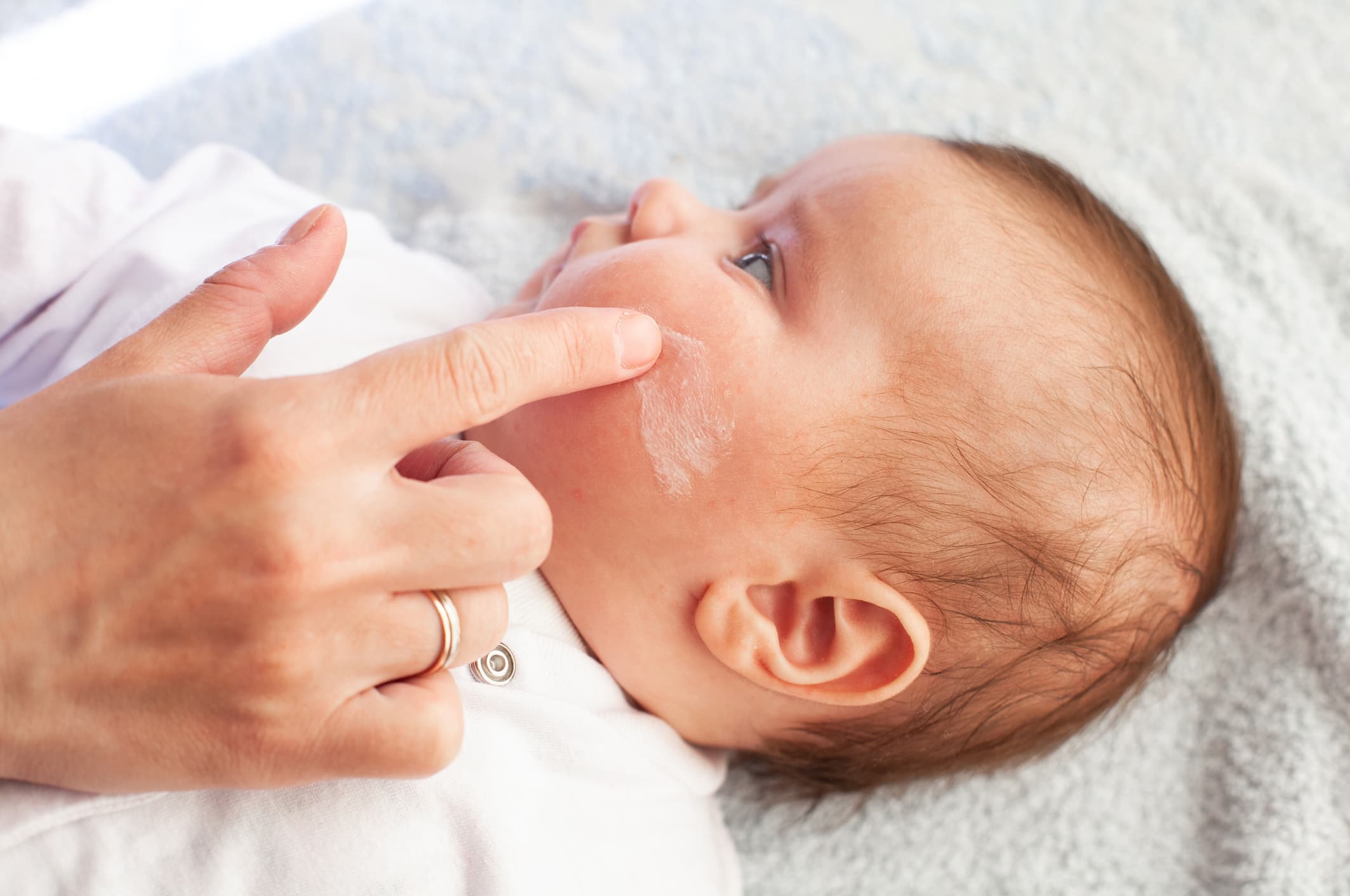
As most new parents realise, raising a baby can be pretty stressful because there’s so much that you don’t know, but you obviously want to do what’s best for your baby. This could mean buying the best possible bassinet, baby blankets, clothes, and skin care products, but this is where things can go wrong, as newborns have extremely delicate skin. A baby skin allergy is something that every parent has to deal with, as skin allergies are common during infancy. However, with a little knowledge and guidance, you can spot common triggers early and manage most reactions safely at home.
What is a baby's skin allergy?
A baby skin allergy describes any kind of allergic reaction that causes skin inflammation and associated symptoms like itching, redness, rashes, swelling and sometimes extensive involvement of skin across the body parts. This occurs as the newborn's immune system cannot clearly distinguish between substances that are harmless or threatening, making it more likely to overreact to a wide range of triggers. These triggers may include substances such as pollen, pet dander, specific foods, certain fabrics, some ingredients in skin products, and so on.
A baby skin allergy describes any kind of allergic reaction that causes skin inflammation and associated symptoms like itching, redness, rashes, etc.
Common types of skin allergy in babies
There are different skin allergy types in babies, with the most common including:
- Contact dermatitis – This is usually an immune system reaction to certain allergens on contact, but it can also simply occur due to irritation from exposure to urine, clothes, soap, perfumes etc.
- Atopic dermatitis (eczema) – This is a chronic inflammatory skin condition that produces symptoms during flares, which are often triggered by specific allergens. This is common in individuals with strong positive family history.
- Utricaria (Hives) – This describes the specific type of skin reaction that can be triggered by different allergens, including foods or medications.
- Papular urticaria – Although similar to hives, this involves the appearance of papules and is specifically triggered by hypersensitivity to bites from insects like fleas or mosquitoes.
- Food-related allergic skin reactions – These can overlap with hives and eczema symptoms, often triggered by food allergens, including a protein in cow’s milk, soy, eggs, and wheat , nuts etc
- Diaper dermatitis – Although not a true allergy, as it generally results from skin irritation, it can also be triggered as an allergic reaction. This is one type of contact dermatitis.
Hives are a specific type of skin reaction that can be triggered by different allergens, including foods or medications.
Newborn baby skin allergy: What’s normal and what’s not
Typically, a baby skin allergy will involve symptoms like redness, itching, and mild swelling or raised bumps. More importantly, it resolves very quickly upon allergen avoidance.
At the same time, it is not normal for a baby skin allergy to cause intense pain, keep spreading, cause oozing or pus, and persist even with proper care and allergen avoidance.
Causes of skin allergy in babies
The causes of skin allergy in babies are mainly linked to their delicate skin and immature immune systems. As their skin is thin and sensitive, allergens and irritants can cause reactions more easily. Exposure to these substances is also more likely to result in an immune overreaction, producing flares of eczema or hives.
Common symptoms of baby skin allergies
Baby skin allergy symptoms may include:
- Itchiness
- Redness
- Dry skin and scaly patches
- Small red bumps or pustules
- Rashes in specific areas
- Raised welts
How is a baby's skin allergy diagnosed
It can be tough to get an accurate diagnosis for a baby skin allergy because many commonly used tests are less accurate in babies. Many doctors make a diagnosis based on their analysis of the symptoms instead (clinical diagnosis), so keep a record of symptoms and when they appear. If testing is required, your paediatrician could recommend skin prick tests, blood tests, or elimination diets, depending on your baby's age and other findings from history and examination.
Baby skin allergy treatment options
In most cases, skin allergies resolve quickly without treatment, but if the reaction is severe or does not go away, it should be treated. Baby skin allergy treatments include:
- Trigger identification and avoidance are the most important steps in treatment, as a skin reaction cannot be resolved when there is continued exposure to the allergen.
- Switch to using baby-safe fragrance-free cleansers, as certain chemicals in scented soaps and detergents can irritate a baby’s skin.
- Ask your paediatrician for a safe prescription-grade topical cream that can be used to relieve eczema and other allergic reactions, and only use it as per their guidance.
- In severe cases, a paediatrician will also prescribe oral medications if required.
- Use of moisturisers (baby-friendly) ceramide-containing can be helpful in containing mild dermatitis.
Home care and daily skin care tips for babies
Small changes in your baby's skin care routine can make a significant difference, so try the following:
- Limit bath time and only use lukewarm water, instead of hot baths.
- Always pat dry or gently dab your baby’s skin to dry it after bathing instead of rubbing with a towel.
- Apply a hypoallergenic moisturiser after every bath to protect against dryness and irritation.
- Make it a point to change diapers frequently, allowing the area to stay clean and dry.
Always pat dry or gently dab your baby’s skin to dry it after bathing instead of rubbing with a towel.
How to prevent skin allergies in babies
While there’s no foolproof method to prevent all baby skin allergies, you can lower the risk significantly by implementing the recommended baby skin care practices. Additionally, make sure to vacuum and clean your home frequently, ensuring that there is no dust or mould in the house. This also means changing your baby’s bedding regularly.
If you’re introducing solid foods, make sure to limit it to one food at a time, waiting for a couple of days before trying the next food. This will allow you to accurately identify any potential food allergen. If you’re still breastfeeding, keep a note of the foods you eat as allergens can also affect your baby via breast milk.
When to consult a paediatrician or dermatologist
Although most allergic skin reactions in babies resolve with minimal treatment at home, there are some circumstances in which you should seek medical care. This includes rashes that do not resolve but worsen over time, or if there are signs of oozing, severe pain, and blistering. It’s also best to consult a paediatrician or dermatologist if the rash is accompanied by other symptoms such as a fever, loss of appetite, lethargy, swelling over different body paand excessive crying.
Some symptoms, such as breathing difficulty and wheezing, should be treated as medical emergencies.
Conclusion
Baby skin allergies are distressing for most parents, as you never want to see your baby in pain or discomfort. However, such reactions are common during infancy, and most babies outgrow them as their immune systems and skin barrier continue to develop.
Frequently Asked Questions
1.What are the most common types of baby skin allergies?
Contact dermatitis, atopic dermatitis (eczema), urticaria (hives), papular urticaria, food-related allergic skin reactions, and diaper dermatitis are the most common types of baby skin allergies.
2. How can I tell a normal allergic reaction from a serious one?
Normal reactions usually cause redness, itching and mild swelling or bumps and improve quickly after avoiding the trigger. If there is intense pain, spreading rash, oozing or lingering symptoms despite care, it could be more serious.
3. When should I consult a paediatrician or dermatologist?
See a doctor if the rash worsens or doesn’t improve, if there is oozing or blistering, and if accompanied by other symptoms like fever and excessive crying. In case of breathing difficulty, seek emergency medical care.
Share Article