

 Clinically Reviewed
General Health
Effects of Air Pollution on Human Health and the Environment: Causes, Risks, and Solutions
May 26, 2026
•5 min read
Share Article

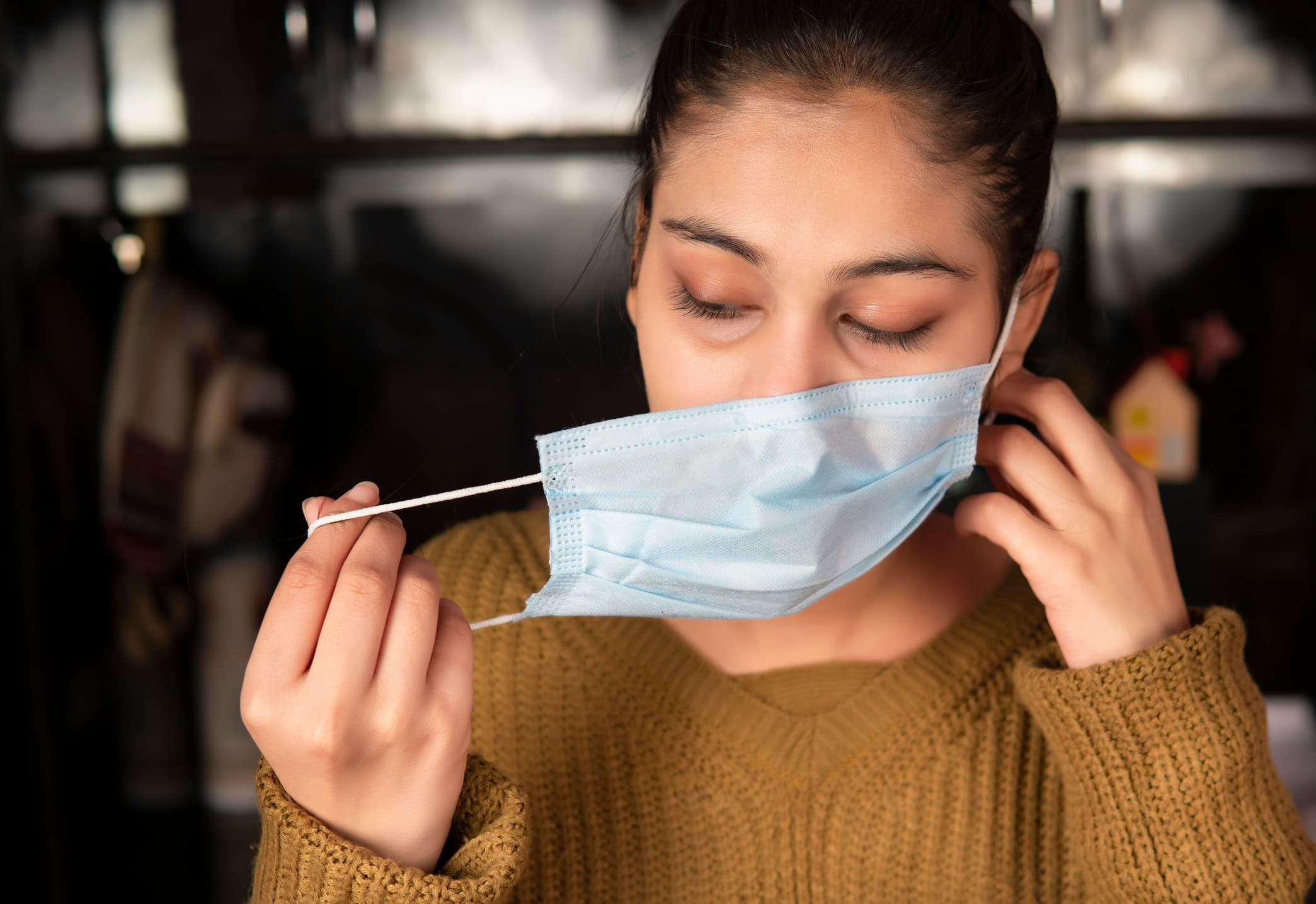
Have you ever been outdoors hoping to breathe fresh air and, on the contrary, smelled a combination of smoke, dust, and traffic fumes? Not the cool aura that we want, is it? To a great extent, air pollution has become a way of life in most cities. From foggy skylines to those days when breathing feels like a heavier burden than normal, polluted air is farther-reaching than we know.
The truth is, the effects of air pollution on human health and the environment are serious and long-lasting. It is not just irritating your throat in a day; it has the potential to affect your lungs, heart, brain, ecosystems, crops, and even the climate. Studies show that over 1.67 million deaths in India in 2019 were attributable to air pollution, highlighting its severe health implications. Understanding the causes, effects, and ways to protect ourselves is the first step toward addressing this pressing issue.
What is air pollution?
Air pollution occurs when harmful substances such as noxious gases, chemicals, dust particles, and smoke contaminate the air we breathe. These pollutants can come from both natural sources (like forest fires or volcanic eruptions) and human activities. When these pollutants accumulate in the atmosphere, air quality becomes lower and harmful to human beings, animals, and plants.
The most common air pollutants include:
- Particulate matter (PM2.5 and PM10): Small dust, smoke, and chemical particles that may find their way into the lungs and blood
- Carbon monoxide (CO): A colourless gas emitted during the combustion of fuel in machines and vehicles
- Nitrogen oxides (NOx): A component of vehicle emissions and power plant emissions
- Sulphur dioxide (SO2): Created principally by the combustion of coal and industrial processes
- Ground-level ozone: Formed when sunlight interacts with pollutants
Air pollution occurs when harmful substances such as noxious gases, chemicals, dust particles, and smoke contaminate the air we breathe.
Major sources of air pollution
There are various sources of air pollution, with the greatest contribution being human activities. Rapid urbanisation, industrial development, and the rise in vehicle numbers have all exacerbated the issue.
- Vehicle emissions: Cars, buses, trucks, and motorcycles emit toxic gases like carbon monoxide, nitrogen oxides, and particulate matter. Traffic in major cities is one of the leading causes of air pollution.
- Industrial pollution: Factories and power plants emit smoke, chemicals, and gases into the air. Industries that use fossil fuels and generate toxic fumes are major sources of pollution.
- Burning fossil fuels: Coal, petrol, diesel, and natural gas are widely used for electricity and transportation. Burning these fuels produces pollutants that cause smog and contribute to global warming.
- Agricultural activities: Crop burning, fertiliser emissions, and livestock gases all contribute to air pollution from agricultural sources.
- Construction and dust: City construction produces dust that mixes with the air and lowers overall air quality.
Effects of air pollution on human health
Contaminated air has the potential to damage various body organs, particularly when exposure occurs over a period of time.
- Respiratory system damage: The lungs are the earliest organs to be affected. Common respiratory effects include asthma attacks, chronic bronchitis, persistent coughing, lung inflammation, and reduced lung capacity. Small particles such as PM2.5 may penetrate deep into the lungs and lead to permanent harm.
- Cardiovascular problems: The heart and blood vessels are also susceptible. Long-term exposure heightens the risk of heart attacks, high blood pressure, stroke, and irregular heartbeat. Pollutants may enter the bloodstream and cause inflammation that damages blood vessels.
- Effects on the nervous system and brain: Recent studies indicate that brain health can also be affected by pollution. Possible effects include memory problems, difficulty concentrating, and an increased risk of neurological diseases.
- Effects on children: Children are particularly susceptible because their lungs are still developing. Polluted air may lead to reduced lung growth, increased asthma risk, and recurrent pulmonary infections.
City buildings produce dust that is combined with the air and lowers the quality of the air.
Effects of air pollution on the environment
Air pollution damages nature and ecology as well. Its environmental impacts are closely linked to the effects on human health.
- Climate change: Pollution causes greenhouse gases that trap heat in the atmosphere, leading to global warming.
- Acid rain: Sulphur dioxide and nitrogen oxides react with water in the atmosphere to form acid rain, which can damage forests, lakes and rivers, soil quality, and buildings and monuments.
- Damage to plants and crops: Contaminated air may slow down the growth of plants and reduce crop production. Ground-level ozone especially destroys plant tissues and reduces agricultural yields.
- Harm to wildlife: Animals in polluted environments are susceptible to respiratory diseases. Air pollution also destroys their natural habitat.
Vulnerable groups most affected by air pollution
Air pollution affects us all, but certain groups face a greater risk due to age, existing health conditions, or increased exposure.
- Children: Children's lungs and immune systems are still developing. They also breathe more rapidly than adults, meaning they inhale more polluted air. This exposure may promote asthma, respiratory infections, and retarded lung growth.
- Older adults: The elderly often experience impaired immune systems and declining lung capacity. Existing conditions such as heart disease and chronic bronchitis can be aggravated by contaminated air.
- Pregnant women: Exposure to polluted air during pregnancy may affect both mother and unborn baby, potentially leading to premature birth, low birth weight, and developmental issues.
- Outdoor workers: Individuals working outdoors — such as traffic police, construction workers, and street vendors — face prolonged exposure to polluted air, multiplying the harmful impact on their health.
Ways to reduce exposure to air pollution
Although resolving air pollution needs large-scale solutions, individuals can implement measures to limit their exposure:
- Monitor local air quality reports
- Avoid outdoor activities during high pollution levels
- Use air purifiers indoors
- Keep windows closed during severe smog
- Plant more trees around homes and communities
Policies and measures to combat air pollution
Governments and international organisations are taking steps to enhance air quality. Key measures include:
- Stringent checks on vehicle emissions
- Promotion of electric vehicles
- Development of public transport infrastructure
- Pollution control laws for industries
Public participation and awareness are essential for reducing the effects of air pollution on the environment and human health.
Avoid outdoor activities during high pollution levels.
Conclusion
Air pollution isn't just a city skyline problem. It's a silent threat working its way into our lungs, hearts, and ecosystems every single day. But awareness is power. By understanding the risks and making smarter choices, we can breathe a little easier and work toward a cleaner, healthier world for everyone.
Frequently asked questions
1. What are the impacts of air pollution on the lungs?
Air pollution irritates lung tissues and causes airway inflammation. Frequent long-term exposure may result in asthma, bronchitis, decreased lung functioning, and potentially lung cancer.
2. What are the health consequences of air pollution?
The notable impacts of air pollution on human health include respiratory diseases, heart disease, stroke, and lung cancer.
3. Is brain health impacted by air pollution?
Research has pointed to the possibility that contaminated air can alter brain activity and increase the probability of memory impairment, cognitive disabilities, and neurodegenerative disorders.
Share Article