
 Clinically Reviewed
Sexual Health
Probiotics for Vaginal Health: Benefits & More
Jul 22, 2025
•7 min read
Share Article

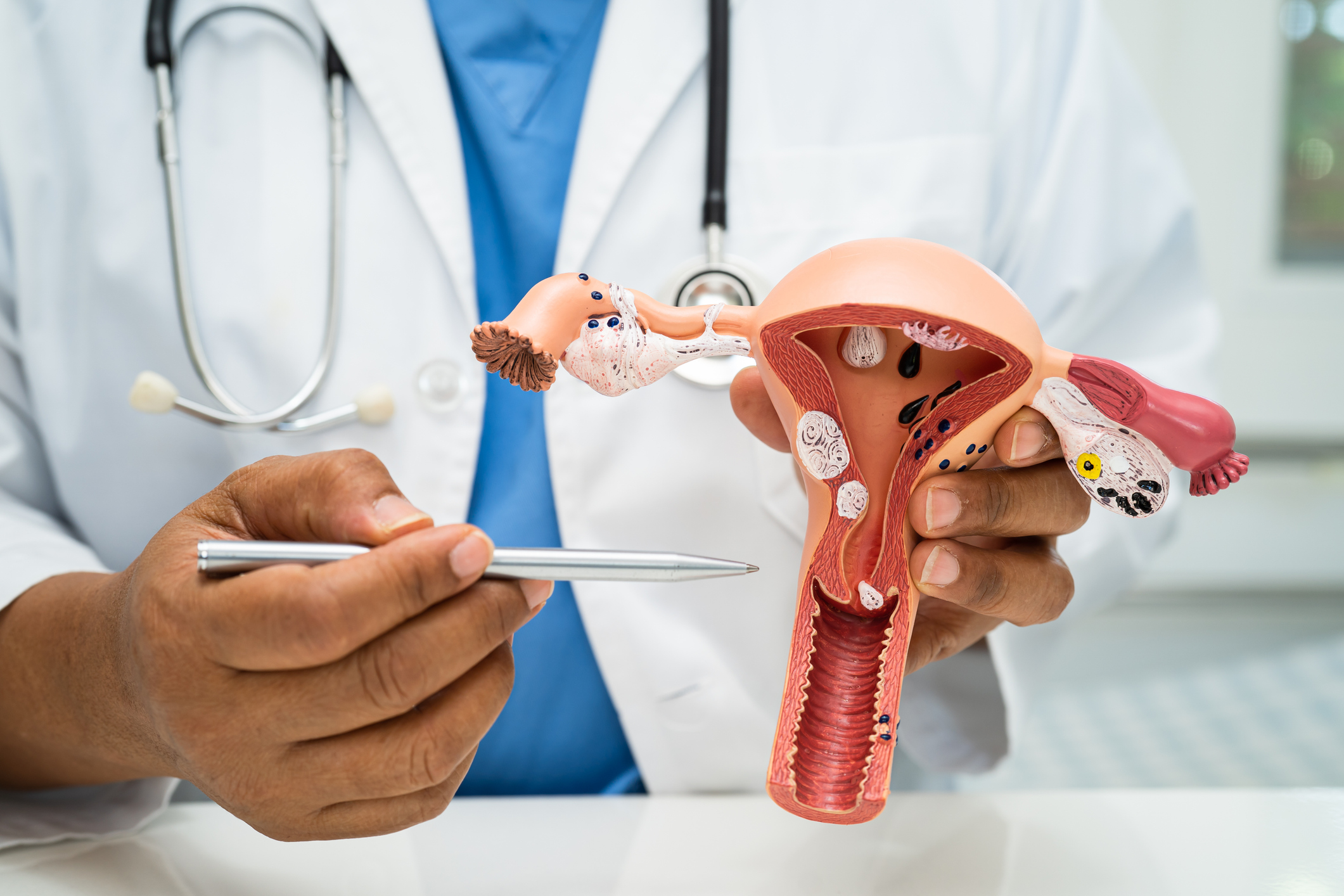
You’ve probably heard the phrase ‘gut health is everything’. But let’s give your vagina the same energy. After all, your vaginal health is just as dependent on friendly bacteria as your stomach is after a dodgy takeaway.
Your vaginal health is deeply tied to its own squad of helpful bacteria. If you’ve ever had that ‘something’s off’ vibe down there and found yourself panic-searching symptoms, this one’s for you.
‘Probiotics’ is not just a wellness buzzword. These tiny organisms might just be the backstage crew maintaining not only your gut but also your vaginal health. So let’s get into it: what probiotics exactly do for your vagina, which ones actually matter, and how to keep things calm, balanced, and feeling like yourself again.
Probiotics are live microorganisms, primarily bacteria and yeasts, that when consumed in adequate amounts, can provide health benefits to the host by improving or restoring gut and vaginal microbiota. They are often referred to as ‘good’ or ‘friendly’ bacteria and are found in certain foods.
How do probiotics support vaginal health?
Your vagina is an ecosystem. A whole little community. And at the heart of it are bacteria called Lactobacillus. When they’re in charge, everything feels pretty chill.
But when that balance gets thrown off, because of medications, stress, your period, or even that new soap you tried, you might notice irritation, smell, or just that odd ‘not-right’ feeling.
Probiotics work by replenishing and supporting the good bacteria that naturally live in your vaginal canal. These bacteria do a few interesting things:
- Keep the pH slightly acidic (around 3.8 to 4.5) to block unwanted bacteria from growing.
- Produce hydrogen peroxide, which fights off yeast and other invaders.
- Outcompete harmful microbes for space and nutrients, like the microscopic version of ‘you can’t sit with us’.
Without enough of the right bacteria, things get off balance, cause discomfort, odour, itching, or recurrent infections.
Did You Know?
Your vaginal microbiome changes with your cycle, age, sex life, and even your bath products.
Vaginal probiotics vs digestive probiotics
Probiotics aren’t one-size-fits-all. The strains that help your digestion aren’t necessarily the ones that benefit your vagina.
Here's how they differ:
Digestive probiotics
- Purpose: Improve gut flora and aid digestion
- Common strains: Bifidobacterium, Lactobacillus acidophilus
- Delivery methods: Found in fermented foods
- Target area: Stomach and intestines
Vaginal probiotics
- Purpose: Support the vaginal microbiome
- Common strains: Lactobacillus crispatus, L. rhamnosus, L. reuteri
- Delivery methods: Often delivered via synthetic foods or supplements
- Target area: Vaginal canal
That said, some overlap exists. Many strains play dual roles. But if you’re aiming to tackle vaginal odour, thrush, or bacterial imbalance, it’s worth picking a strain that’s proven to support that area.
Benefits of vaginal health probiotics
If you’ve had the same recurring infection more than twice, or if your vagina feels like it’s trying to start a side plot in a soap opera, it might be time to give the good bacteria a little help.
1. Preventing and managing vaginal infections:
- Bacterial Vaginosis (BV): Probiotics can help restore the natural balance of bacteria in the vagina, reducing the risk of BV and its associated symptoms like odour and discharge.
- Yeast infections: While not a primary treatment, probiotics can potentially help medications work more effectively and may reduce the risk of recurrent yeast infections.
- Urinary tract infections (UTIs): A healthy vaginal microbiome can help prevent UTIs by competing with harmful bacteria that can cause these infections.
2. Maintaining a healthy vaginal environment:
- Acidic pH: Lactobacilli, a common type of probiotic, produces lactic acid, which helps maintain a low (acidic) pH in the vagina. This acidic environment is crucial for inhibiting the growth of pathogens.
- Microbiome balance: Probiotics help maintain the balance of good bacteria in the vagina, preventing overgrowth of harmful bacteria or yeast.
3. Other potential benefits:
- Improved fertility: A healthy vaginal microbiome is linked to improved fertility, and probiotics may play a role in optimising this environment.
- Reduced risk of preterm birth: Some studies suggest that probiotics may help reduce the risk of preterm birth, though more research is needed to support this.
- Menopausal symptoms: Probiotics may help alleviate some menopausal symptoms, like vaginal dryness and pain during intercourse.
- Potential anticancer role: Some studies suggest that probiotics, particularly certain Lactobacillus strains, may have a role in cancer prevention and treatment by modulating the immune response.
So to summarise, here’s what they can help with:
- Prevent or manage bacterial vaginosis (BV)
- Reduce yeast infections
- Balance pH and reduce odour
- Help recover after certain medicines wipe out your vaginal flora
- Ease vaginal dryness or irritation
- Lower inflammation, which can make sex more comfortable
- May even help prevent UTIs when used regularly
- Provide some balance during hormonal shifts (menopause, postpartum, and pregnancy)
Quick Fact
Bacteria like Lactobacillus crispatus are particularly effective in preventing BV recurrence.
Natural ways to boost vaginal flora
To naturally boost vaginal flora, focus on diet, hygiene, and lifestyle choices. Consuming probiotics, prebiotics, and staying hydrated can help promote a healthy balance of bacteria in the vagina. Here’s what you can do:
Dietary approaches:
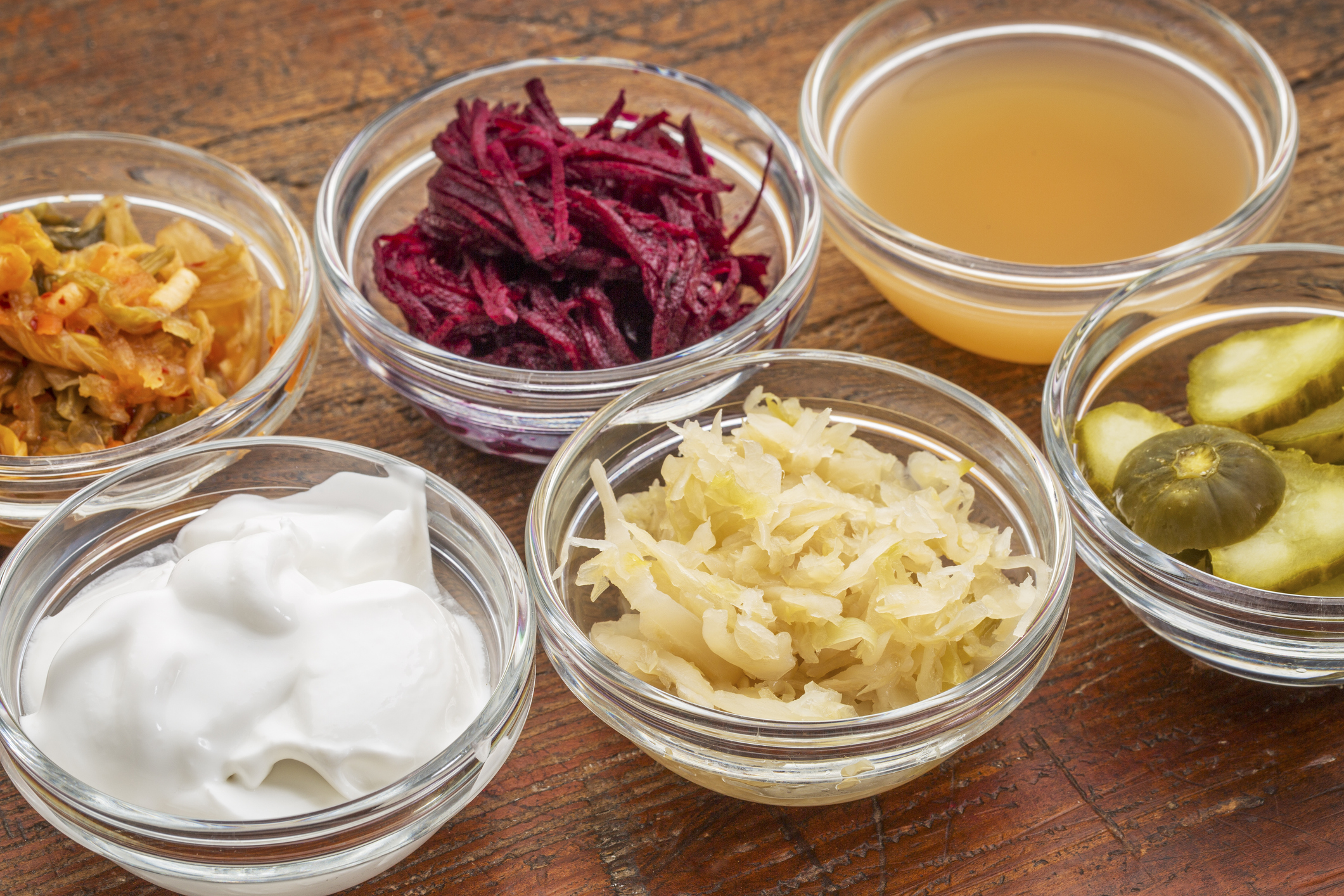
- Probiotics: Incorporate foods rich in probiotics like yoghurt, kefir, kimchi, and sauerkraut. These foods contain beneficial bacteria that can help restore and maintain a healthy vaginal microbiome.
- Prebiotics: Include prebiotic-rich foods like bananas, onions, garlic, and asparagus. Prebiotics act as food for probiotics, supporting their growth and activity.
- Hydration: Drink plenty of water to stay hydrated, which is crucial for maintaining natural lubrication and flushing out toxins.
- Fibre: Increase your intake of high-fibre foods like whole grains, fruits, and vegetables. Fibre can help prevent infections like bacterial vaginosis.
- Avoid excess sugar: High sugar intake can promote the growth of harmful bacteria and yeast, potentially leading to infections.
Hygiene and lifestyle:
- Gentle hygiene: Use mild, unscented soaps for external washing. Avoid douching as it can disrupt the natural balance of bacteria.
- Breathable clothing: Wear cotton underwear and loose-fitting clothing to allow for airflow and prevent moisture buildup.
- Shower after exercise: Sweat can create a breeding ground for bacteria. Showering after workouts can help prevent overgrowth.
- Safe sex: Using condoms can help prevent the transmission of sexually transmitted infections that can disrupt vaginal flora.
- Avoid smoking:Smoking can negatively impact the vaginal microbiome.
- Manage stress: Chronic stress can affect the immune system and potentially impact vaginal health.
In a nutshell:
- Eat probiotic-rich foods: Think yoghurt (with live cultures), kimchi, miso, sauerkraut, and kefir.
- Prebiotics matter too: These are like fertilisers for your good bacteria. Include garlic, onions, bananas, oats, and asparagus.
- Stay hydrated: Fluids help your entire system function better, including vaginal tissue health.
- Wear breathable undies: Cotton over lace. Let the area breathe.
- Skip the douches and scented stuff: They can disrupt your natural balance.
- Practise safe sex: Condoms help reduce the transfer of bacteria and semen, which can alter vaginal pH.
- Don’t overwash: Gentle, unscented soap is enough for your vulva. Your vagina is self-cleaning.
Did You Know?
Semen is alkaline. If your vagina feels off after sex, it could be because your pH got temporarily bumped.
When to use vaginal probiotics
Vaginal probiotics aren’t something everyone needs daily, but they can be incredibly helpful in certain scenarios.
- After medicine use: Certain medicines can disrupt the vaginal microbiome, and probiotics can help restore balance.
- Chronic or recurrent BV or yeast infections: Probiotics may help manage and prevent recurring infections.
- Postmenopause: Probiotics may help address vaginal dryness and infections associated with decreased oestrogen levels.
- General vaginal health maintenance: Some women choose to use probiotics as a proactive measure, especially during times of stress or hormonal shifts.
- Before or after certain procedures: Probiotics may be used before or after gynaecological procedures or surgeries to help prevent infection.
To conclude, use them if you’re:
- Getting frequent infections (like thrush or BV)
- Coming off medicines and want to restore your balance
- Noticing recurring odour or irritation
- Dealing with hormonal shifts (e.g., menopause, pregnancy)
- Recovering postpartum, when flora can be disrupted
- Going through stressful periods, since stress affects the microbiome too
- Trying to support fertility or vaginal comfort before conception
And of course, always talk to a healthcare provider before starting anything new, especially if you’re managing other vaginal conditions.
What did we learn?
Your vagina isn’t dramatic. It’s just sensitive and trying to function in a world full of scented nonsense and confusing advice.
Probiotics can be a real ally when used with intention. They’re not a cure-all, but they can support balance and comfort, making sure your lady bits are healthy and thriving.
When chosen right and used mindfully, probiotics can be a gentle, effective way to support your vaginal health. Think of them as being part of a daily wellness ritual for down there. Not flashy, not fussy, just functional.
And hey, if nobody told you this before: You deserve to feel balanced, clean, and comfortable without having to guess your way there.
Frequently Asked Questions
1. Can probiotics really help with vaginal odour?
Yes, especially strains like Lactobacillus crispatus that help restore healthy bacteria and reduce pH imbalances.
2. Is it safe to take probiotics daily?
Generally, yes. But listen to your body, and consult your doctor if you have health concerns.
3. What’s better: oral or vaginal probiotics?
Oral probiotics are good for maintenance. Vaginal options are best for direct, quick support.
4. Can I take probiotics during my period?
Yes! Hormonal changes during your cycle can shift your flora, so consistent use is helpful. But always consult a healthcare professional beforehand.
5. Can probiotics support fertility or conception?
Emerging studies suggest that a healthy vaginal microbiome may play a role in fertility by maintaining a sperm-friendly environment.
6. Do probiotics interact with other medications?
Generally, no. But always check with your doctor if you're on long-term meds.
Share Article