
 Medically Reviewed
General Health
Slow Fitness: Why Gentle Workouts Are Taking Over
Mar 3, 2026
•6 min read
Share Article

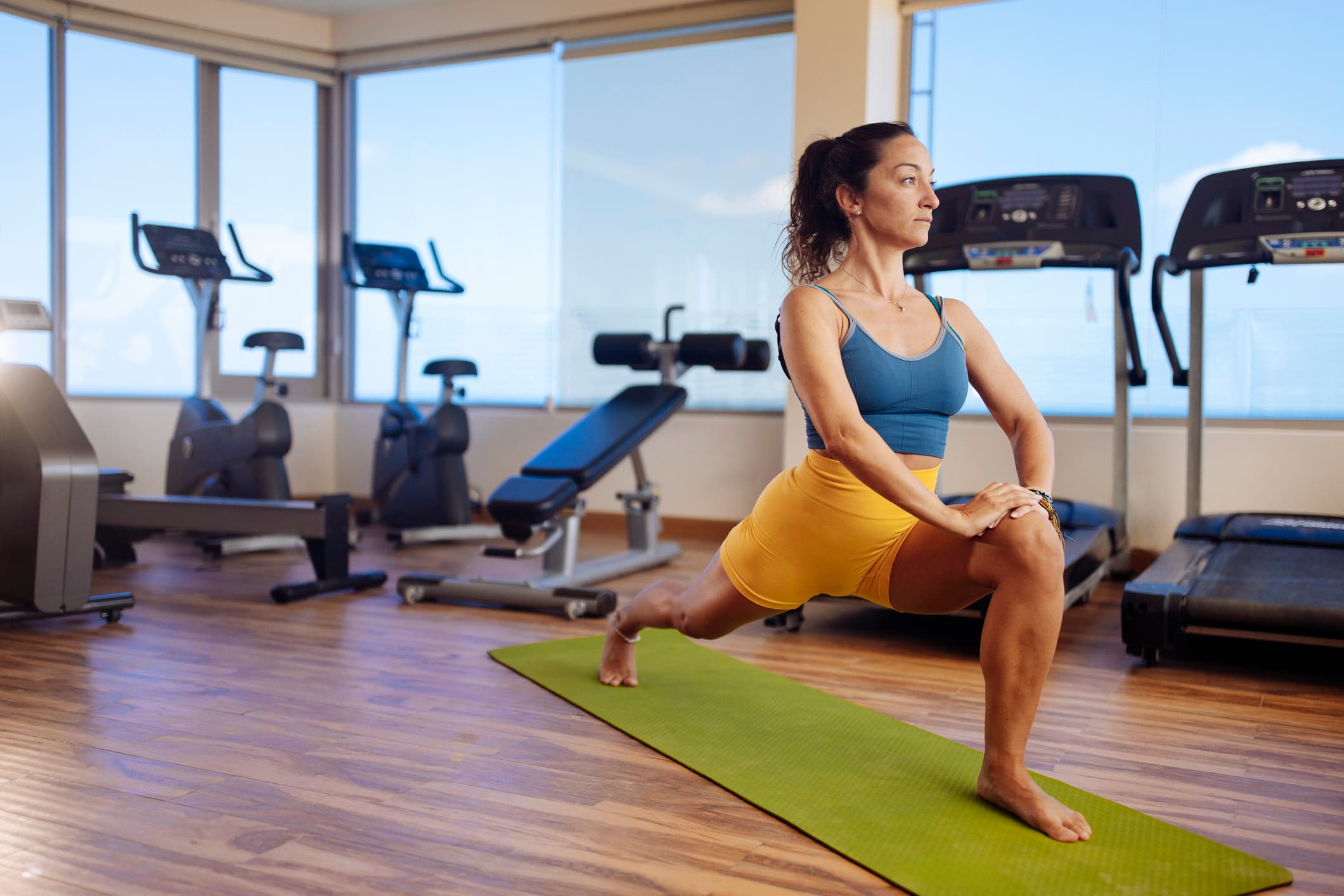
Fitness is all about working harder, running faster, and sweating more. However, several people are now abandoning such a mentality. They are not seeking fatigue, but they are seeking movement that is gentle and restorative. This trend has put slow fitness in the limelight.
Slow fitness is not about giving up on exercise. It is all about the transformation of the experience of exercise. It is about walking carefully, paying attention to the body, and becoming more powerful without stress. It has been found that a milder movement allows people to stay active for a longer duration and is less likely to cause injuries. This is the reason why low-impact training is not a short-term trend, but a long-term choice. Dive into this knowledge-packed blog to learn more about slow fitness.
What is slow fitness, and why is it gaining popularity?
Slow fitness is a form of movement that involves exercises that are performed slowly and in a regulated manner. People do not hurry to do some repetitions; they pay attention to the sensation of every movement. This assists the muscles in remaining active and aids in superior posture.
The simplicity of slow fitness is the reason why it has gained popularity. Many individuals are moving away from workouts that feel overwhelming or unsafe, instead gravitating toward approaches that emphasise slow, controlled movement. Over time, this style of training has been shown to improve muscle awareness and balance.
Comfort is another reason why it is so popular. Exercises are less stressful to many individuals when they are peaceful and organised. This allows low-impact training to be more enjoyable and more long-term.
Why slow fitness feels different
- Movements are controlled
- The body feels supported
- Progress feels steady
Slow fitness is a form of movement that involves exercises that are performed slowly and in a regulated manner.
Understanding low-impact training: The basics
Low-impact training is associated with exercises that are not too intense on joints. This normally implies the movements in which one of the feet remains on the ground. The intention is to ease the burden on the body and, at the same time, enhance strength and movement.
This type of training is usually taken to mean that it is too easy. As a matter of fact, it stimulates muscles but does not compel the body to extreme postures. Medical advice suggests that mild exercise aids everyday activity and mobility in the long run.
Proper posture and breathing are also promoted in this kind of training. The slowness of the tempo allows individuals to pay attention to proper movement instead of a fast one.
Basic ideas behind low-impact movement
- Smooth and steady actions
- Joint-friendly positions
- Focus on form
Low-impact workout benefits for strength, flexibility, and health
The low-impact workout benefits go beyond comfort. They are also very helpful and enhance strength, flexibility, and overall health safely and consistently.
Grows muscles without tension
Low-impact exercises make muscles stronger by activating all muscle fibers and contracting throughout the range via steady movement. Due to a reduced amount of pressure placed on the joints, the body gets to develop strength in a safe manner over time without experiencing the feeling of being pressed and tired after every session. Research shows that when performed consistently with sufficient resistance, strength training enhances muscle strength and functional capacity, regardless of the lifting tempo.
Enhances the flexibility automatically
Light stretches enable the muscles to stretch gradually and without any harm. This assists in enhancing flexibility in the long term, and also, daily tasks of bending, reaching, and walking are easy and smooth without straining the body into uncomfortable postures.
Helps in supporting joints and movement
Low-impact exercises limit the presence of repetitive stress in joints. This assists in maintaining the comfort of the joints, but the joints are still stimulated to move; this is necessary in the effort to ensure that one is active, mobile and comfortable during the day-to-day activities.
Enhances balance and coordination
Physical therapy exercises are slow and steady, which makes the body stable as it moves. This enhances balance and coordination, which assists in movement being within control and eliminates the possibility of a lapse of balance or clumsy movements.
Promotes consistency over the long run
Light exercises are less daunting and more tolerable. This also increases the probability of remaining constant, which is essential in becoming stronger, flexible, and generally healthier with the passage of time, instead of stopping and starting again and again.
Low-impact workouts are helpful and enhance strength, flexibility, and overall health safely and consistently.
Low-impact exercises for weight loss: Effective and gentle options
Low-impact exercises for weight loss focus on steady improvement rather than quick results. The exercises can be used to burn energy, save joints, and muscles.
The most popular will be walking routines, body movements that can be controlled, and slow strength sessions. It is proven by the governmental instructions that regular moderate activity helps to maintain a healthy weight.
The largest is consistency. People will continue with the workouts when they feel that they are manageable. This will, in the long run, give more positive results than the intensive routines that are not easy to stick to.
Why gentle movement works
- Easier to repeat daily
- Less strain on the body
- Supports steady progress
Low-impact exercises limit the presence of repetitive stress in joints. This assists in maintaining the comfort of the joints.
Low-impact strength training vs traditional high-impact workouts
Low-impact strength training is concerned with muscle control and consistent effort. Old-fashioned intensive exercises usually use jumping, quick-moving exercises, and abrupt turns.
Slow strength exercises enable the muscles to remain active in the long term. This is the reason why super slow strength training is popular. It has been found that reduced movement enhances muscle control and decreases the stress on joints.
Slow fitness is now adopted by many people as it is safer and more sustainable. It gives the body an opportunity to get strong without being overloaded.
Key differences explained
- Slow and gradual, and fast and explosive.
- Reduced stress on joints compared to increased impact.
- Long-term progress versus quick fatigue
Who can benefit most from slow fitness?
Slow fitness can fit into the needs of a large number of individuals, irrespective of their level of experience. It is also easily learned by beginners since there is no confusion in movement.
Low-impact training is also beneficial to people who have been back to activity because it helps them feel confident and comfortable. Studies indicate that mild exercise is better than none in enhancing balance and mobility, with time.
Even active people resort to slow fitness as a method of rest and preventing burnout. It can fit various lifestyles and cater to various needs.
Slow fitness is ideal for
- Beginners
- Busy adults
- People seeking long-term wellbeing
Final thoughts: Why low-impact training is here to stay
Fitness should no longer be a cause of punishment. Slow fitness is a slower and friendlier method of exercising. With an ever-growing number of individuals paying attention to their mental health and long-term health, low-impact exercise programs indicate a sense of logic.
Going slow does not imply lagging. In most instances, it is the wisest thing to do.
Frequently Asked Questions
1. Can slow fitness be used with beginners?
Yes, slow fitness can be appropriate for beginners since the movements are controlled and easy to follow. It makes individuals concentrate on appropriate movement without being in a hurry. This assists in gaining confidence, decreasing the worry of harm, and establishing a comfortable background for normal activity.
2. Are low-impact exercises effective in enhancing strength?
Light exercises may enhance strength upon regular performance. Gradual and progressive movements allow the muscles to be active during the whole exercise period. This, in the long run, contributes to strengthening the muscles without undue strain on joints or overstraining the body.
3. How frequently should low-impact workouts be performed?
Light exercises could be performed on a weekly basis. A lot of people can easily stay consistent since they are not harsh on the body. Moving over multiple days is a good way to aid in providing strength, flexibility, and well-being without feeling fatigued.
Share Article