

 Clinically Reviewed
Skin & Hair Health
Zinc About It: Your Way to Thicker, Stronger & Healthier Hair
Aug 18, 2025
•6 min read
Share Article

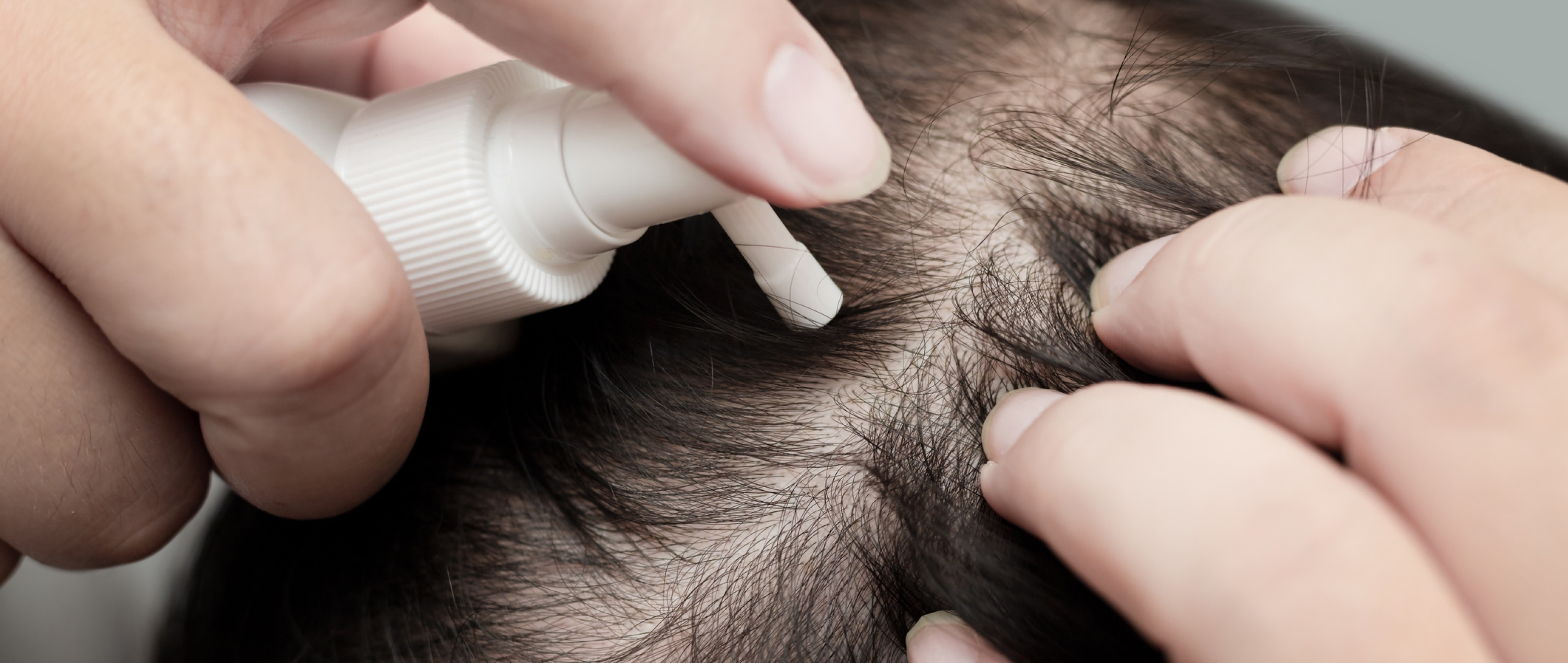
Do you ever run your fingers through your hair and notice it feels dry and brittle instead of soft and smooth? Before reaching for yet another hair mask, it might be time to consider something missing from your routine — zinc. This essential mineral works behind the scenes to keep your locks strong, shiny, and healthy. Let’s take a closer look at how zinc benefits your hair and why it deserves a place in your routine.
Zinc: A vital mineral
Zinc is a mineral that plays a crucial role in various bodily functions, including immune function, protein synthesis, and cell growth and division. It’s often referred to as the ‘beauty mineral’ due to its positive impact on the skin, hair, and nails.
Chemical structure
As a metallic element, zinc doesn’t have a complex molecular structure like organic compounds. It exists as a pure metal, typically represented by its atomic symbol, Zn.
Why do you need zinc?
From a medical standpoint, zinc deficiency can lead to a range of health problems, including:
-
Weakened immune system: Zinc is essential for immune cell function, making it harder for your body to fight off infections.
-
Hair loss: Because zinc is key to both hair development and repair, any deficiency can result in hair loss.
-
Skin problems: Zinc is crucial for maintaining healthy skin, and deficiencies may lead to eczema and acne.
-
Poor wound healing: Zinc is necessary for wound healing, and a shortage of it can impede the healing process.
-
Loss of appetite: Zinc may have an impact on your taste buds, which may result in a reduction in appetite and weight loss.
To ensure adequate zinc intake, it's important to include zinc-rich foods in your diet, such as meat, poultry, seafood, legumes, nuts, and seeds.
Did You Know?
Consuming excessive amounts of iron can potentially interfere with zinc absorption. It's important to maintain a balance between iron and zinc intake.
Benefits of zinc for hair growth
Zinc plays a significant role in maintaining healthy hair. It's often overlooked but is a crucial component of hair growth and repair:
-
Protein synthesis: Zinc is necessary for the production of keratin and other proteins. The main protein that gives the skin, hair, and nails their structure is called keratin.
-
Cell growth and repair: Zinc helps tissues, including hair follicles, develop and mend. This guarantees that old, damaged hair can be replaced by new hair.
-
Cell proliferation: Zinc is a cofactor for numerous enzymes involved in DNA replication and cell division. Hair follicles are among the most rapidly dividing tissues in the body, requiring zinc for sustained growth and repair.
-
Hormone regulation: Zinc helps regulate hormones that influence hair growth. Hormonal imbalances can lead to hair loss, and zinc can help maintain hormonal balance.
-
Sebum production: Zinc helps regulate sebum, the natural oil produced by your scalp. Balanced sebum production is crucial for healthy hair. Excessive sebum can lead to oily hair and dandruff, while insufficient sebum can cause dry, brittle hair.
-
Antioxidant properties: Zinc’s antioxidant property protects hair follicle cells from oxidative stress caused by free radicals. This action preserves the cells’ ability to produce healthy hair.
Signs of zinc deficiency
An Indian study has reported a high prevalence of zinc deficiency among children aged 6-60 months (43.8%), adolescents (49.4%), and pregnant women (64.6%). A cross-sectional study on the Indian population has indicated an association between zinc deficiency and hair loss.
-
Hair loss: Hair loss is one of the most typical symptoms of zinc deficiency.
-
Slow hair growth: Your hair may grow slowly or not at all if you're not getting enough zinc.
-
Hair thinning: Prolonged deficiency weakens the hair shaft, making it prone to breakage and thinning.
-
Dry, brittle hair: Hair that is brittle and prone to breaking might result from a zinc shortage.
-
Dandruff: Dandruff, a common scalp ailment marked by peeling skin, can be exacerbated by a zinc shortage.
Did You Know?
By incorporating zinc-rich foods into your meals and snacks, you can increase your zinc intake and support your overall health.
Causes of zinc deficiency
Several factors can contribute to zinc deficiency:
-
Poor diet: A diet lacking in zinc-rich foods may lead to deficiency.
-
Malabsorption: The body's capacity to absorb zinc may be hampered by specific diseases.
-
Chronic illnesses: Zinc absorption may be hampered by illnesses such as Crohn's disease and coeliac disease.
-
Excessive alcohol consumption: Excessive alcohol intake may lower zinc levels.
-
Certain medications: Some medications may interfere with zinc absorption.
Best foods that are high in zinc
By incorporating zinc-rich foods into your meals and snacks, you can increase your zinc intake and support your overall health. Here are some zinc-rich foods to add to your diet:
-
Meat: Especially red meat, which is among the richest natural sources of zinc. Lean options like chicken and turkey also provide a good amount.
-
Seafood: Oysters are particularly high in zinc, but crab, mussels, and prawns are also excellent choices.
-
Legumes: Lentils, chickpeas, and various types of beans (e.g. kidney beans, black beans) offer zinc along with protein and fibre.
-
Nuts and seeds: Pumpkin seeds, sesame seeds, cashews, almonds, and pine nuts contribute to your daily zinc intake and make for easy snacks.
-
Dairy products: Cheese (especially cheddar), milk, and yoghurt are good zinc sources, especially helpful for vegetarians.
-
Wholegrains: Wholemeal bread, brown rice, oats, and quinoa contain zinc along with other essential minerals.
-
Eggs: A versatile and nutritious food that also offers a modest amount of zinc.
-
Fortified foods: Many breakfast cereals and plant-based milk alternatives are fortified with zinc, making them a convenient choice.
-
Tofu and tempeh: These plant-based protein options are useful sources of zinc, particularly for those following a vegetarian or vegan diet.
-
Dark chocolate: In moderation, dark chocolate (with a high cocoa content) can be a tasty way to boost zinc levels.
The balancing act: Zinc and other minerals
While zinc is a vital mineral, its absorption and effectiveness can be influenced by other nutrients in your diet. By understanding these potential interactions, you can make informed dietary choices to optimise your zinc intake and overall health.
Here are some nutrients that may interact with zinc:
-
Iron: Both iron and zinc share similar absorption pathways in the gut. Consuming excessive amounts of iron can potentially interfere with zinc absorption. It's important to maintain a balance between iron and zinc intake.
-
Copper: There is an antagonistic relationship between zinc and copper; excessive zinc intake can disrupt copper metabolism. It's crucial to maintain a balanced intake of both minerals.
-
Calcium: While calcium and zinc can compete for absorption in the gut, the impact is usually minimal, especially with a balanced diet. Consuming a moderate intake of calcium-rich foods along with zinc-rich foods is generally safe.
-
Fibre: High fibre intake can reduce zinc absorption, particularly from plant-based sources. While fibre is essential for gut health, it's important to balance it with other nutrients.
Zinc up, hair down
By understanding Zinc’s benefits and incorporating zinc-rich foods into your diet, you can nourish your hair from within. Remember, a balanced diet and overall healthy lifestyle are key to achieving optimal hair health. The recommended dietary allowance (RDA) for zinc is 8-11 mg for adults. If you have concerns about zinc deficiency or hair loss, consult with a healthcare professional for personalised advice.
Frequently Asked Questions
1. Does zinc block the production of DHT?
No. While zinc plays a role in hair health by supporting hair growth and reducing inflammation, it doesn't directly inhibit the production of DHT, a hormone linked to hair loss.
2. Does zinc make your skin glow?
Yes, zinc can contribute to glowing skin. It aids in skin cell repair, reduces inflammation, and helps regulate oil production. A balanced zinc intake can lead to healthier, more radiant skin.
3. Is biotin or zinc better for hair growth?
Both biotin and zinc are beneficial for hair growth. Biotin supports keratin production, while zinc strengthens hair follicles and regulates oil production. For optimal hair health, consider getting adequate amounts of both through diet.
4. Does zinc regrow hair?
While zinc can't directly regrow lost hair, it can significantly improve hair health. By strengthening hair follicles, promoting cell growth, and regulating oil production, zinc can help prevent hair loss and encourage new hair growth.
5. What are zinc deficiency symptoms?
Zinc deficiency symptoms can include hair loss, slow wound healing, weakened immune system, skin problems, loss of appetite, and delayed growth and development in children.
Share Article
Related Articles
May 27, 2026
•4 min read
Clinically ReviewedHow to Remove Blackheads from Nose: Effective Methods and Tips

Mar 31, 2026
•6 min read
Clinically ReviewedHow to Keep Skin Hydrated: A Complete Guide for All Skin Types
Mar 30, 2026
•6 min read
Clinically ReviewedHair Follicles Acting Up? Here’s All About Folliculitis