

 Medically Reviewed
Cancer Health
Cervical Cancer: Causes, Symptoms, and Prevention
Mar 30, 2026
•6 min read
Share Article

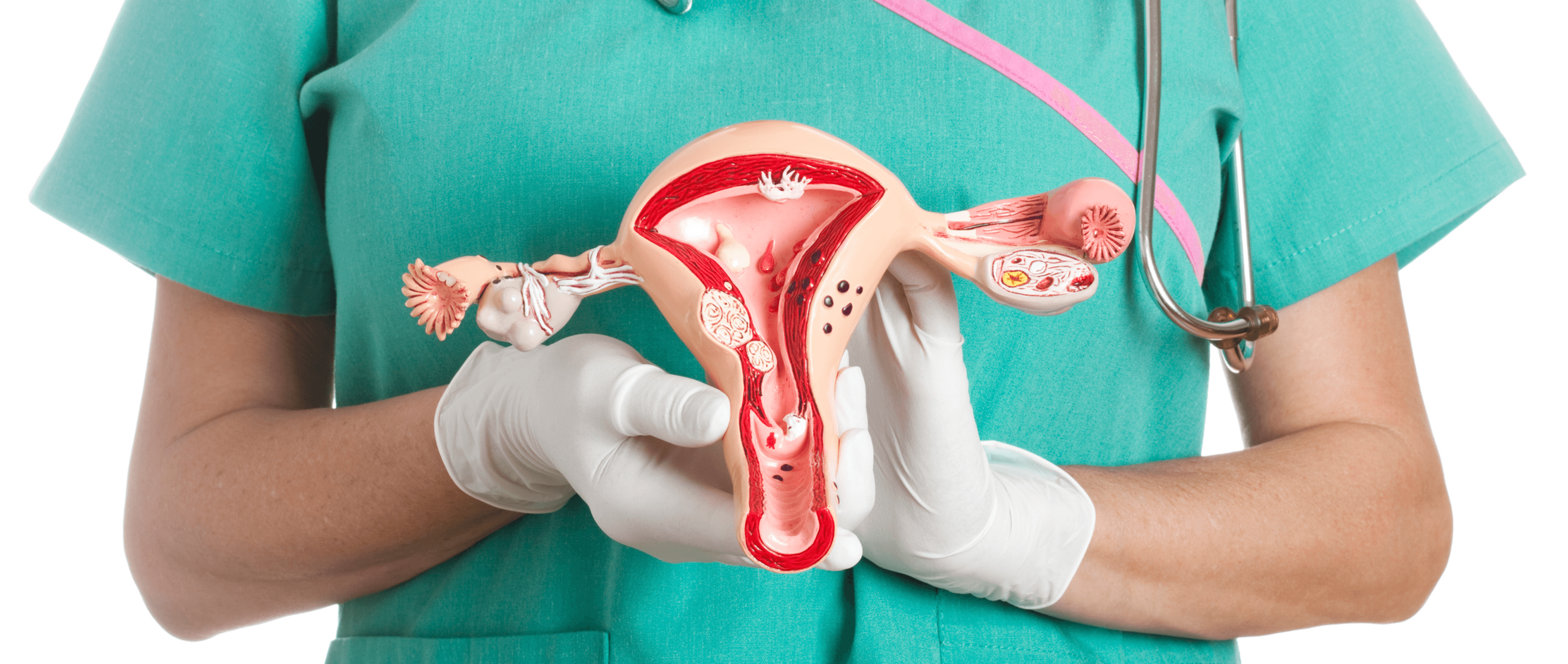
Cervical cancer is 90% preventable — yes, you read that right. Regular check-ups, vaccination, safe sex, and a healthy lifestyle can be lifesavers. Take charge, get screened, and stay protected.
In today’s fast-paced world, healthcare often takes a backseat. But when it comes to cervical cancer, a few small lifestyle changes and increased awareness can make a world of difference. Whether you're a working professional, a mother, or simply someone committed to personal well-being, understanding cervical cancer is essential for every Indian woman. Alarmingly, India accounts for nearly one-fifth of all new cervical cancer cases and almost a quarter of related deaths worldwide. In 2020, it was the second most common cancer among Indian women, responsible for 18.3% of new cases and 18.7% of cancer-related deaths. With the right knowledge and preventive measures, we can change these numbers for the better.

Taking care of your reproductive health is essential. Do not ignore any symptoms, and always ensure you receive the necessary medical care. Remember, knowledge is power, and by understanding cervical cancer, you can help in protecting yourself and your loved ones.
Dr Kanika Gupta, MBBS and MS Obstetrics & Gynaecologist, Noida
Cervical cancer: A quiet threat
Cervical cancer develops when abnormal cell changes in the cervix lead to uncontrolled growth, forming a tumour. This process can take years, but early detection and treatment dramatically improve survival rates. In a country as diverse as India, where healthcare access varies widely, awareness becomes our strongest tool for prevention and timely intervention. Empowering yourself with the right knowledge can make all the difference.
Why does it happen?
What makes cervical cells lose control? One of the main culprits is the human papillomavirus (HPV). While there are many types of HPV — most of them harmless — certain high-risk strains can lead to cervical cancer if they persist in the body for a long time. In most cases, the immune system fights off the virus on its own. But when it doesn’t, HPV can trigger changes in cervical cells that, over time, may develop into cancer. Early detection and vaccination are key to staying protected
Cervical cancer develops in the cervix, the lower portion of the uterus that attaches to the vagina. The human papillomavirus (HPV), a common virus that is transmitted through sexual contact, is responsible for the majority of cases.
Symptoms of cervical cancer
Your body gives warning signs when something isn’t right. Be aware of these possible symptoms of cervical cancer:
- Unusual bleeding
This includes bleeding between menstrual periods, after sexual intercourse, or post-menopause. Such bleeding may be light spotting or heavy and is often one of the earliest signs of cervical abnormalities. Any unexpected bleeding should be promptly evaluated by a healthcare professional.
- Pelvic pain
Persistent or recurring pain in the lower abdomen or pelvis, not related to your menstrual cycle, could indicate cervical cancer or other reproductive system issues. The pain may feel dull, cramping, or pressure-like and should not be ignored.
- Unusual discharge
Abnormal vaginal discharge that is watery, thick, or has a foul odour may be a symptom of cervical cancer. Changes in colour, consistency, or volume of discharge, especially if accompanied by other symptoms like bleeding or discomfort, should be medically assessed.
If you experience any of these symptoms, consult a doctor as soon as possible. These signs don’t always mean cancer, but early detection can make all the difference.
Types of cervical cancer
Cervical cancer develops in the cells of the cervix, and understanding its types can help with diagnosis and treatment planning. The main types include:
- Squamous cell carcinoma
This is the most common type, accounting for about 70–90% of cervical cancers. It originates in the thin, flat cells that line the outer surface of the cervix and usually develops slowly over several years.
- Adenocarcinoma
Adenocarcinoma arises from the glandular cells that produce mucus in the cervical canal. It is less common than squamous cell carcinoma but has been increasing in prevalence and can sometimes be harder to detect early.
- Adenosquamous carcinoma
This rare type contains features of both squamous cell carcinoma and adenocarcinoma. It can be more aggressive and requires careful monitoring and treatment.
- Other rare types
These include small cell carcinoma and neuroendocrine tumours of the cervix, which are uncommon but tend to grow and spread quickly, requiring specialised treatment.
How do you know if you have cervical cancer?
Regular check-ups are recommended even if you don't show symptoms of cervical cancer and are sexually active. Your doctor will discuss your family history to see if anyone in your family has had cervical cancer. He will conduct a physical examination and recommend some tests and procedures.
How is cervical cancer managed?
Your doctor will tailor a management plan based on your individual needs. The good news is that with regular screenings and early detection, most women can receive timely and effective care. Here’s what management typically involves:
- Regular screening: This helps detect abnormal cell changes early, allowing for timely intervention before cancer develops.
- Lifestyle modifications:Maintaining a healthy diet, regular exercise, quitting smoking, and safe sexual practices can reduce risk and improve overall health.
- Following your treatment plan: If your doctor prescribes medication, procedures, or monitoring, sticking to the plan ensures the best possible outcome.
- Building a support system: Emotional and psychological support from family, friends, or support groups can make a significant difference in coping with treatment and recovery.
Everyone’s journey is different, and your healthcare provider will guide you toward the best approach for your specific situation. Taking proactive steps today can help secure a healthier future.
Maintaining a healthy diet, regular exercise, quitting smoking, and safe sexual practices can reduce risk and improve overall health.
Why do you need to care?
One of the most curable types of cancer is cervical cancer. With early detection and the right precautions, you can get rid of this unwanted illness. Healthy lifestyle choices are important to your health:
- Eat a healthy, balanced diet that includes fruit and vegetables
- Regular physical activity strengthens your immune system
- Find ways to reduce stress, such as through relaxation techniques
- See your healthcare provider regularly
- Learn about your family history; share your health history with your healthcare provider
- Talk with your healthcare provider about possible vaccinations
Why awareness can save lives
Cervical cancer is a serious health issue. However, the good news is that early detection makes it completely preventable and treatable. Awareness, education, and access to healthcare are key factors in fighting against cervical cancer. It is important to prioritise your health above all. Always listen to your body and seek medical guidance when you experience any discomfort. Always remember that knowledge is a powerful tool, and tiny steps towards your good health can make a big difference.
Frequently Asked Questions
1. What are the stages of cervical cancer?
Different stages of cervical cancer are:
- Stage I: Cancer is exclusively diagnosed in the cervix. It is very tiny and is not diffused.
- Stage II: In stage II, cancer has spread beyond the cervix and uterus upto upper vagina.
- Stage III: In stage III, the cancer has spread to the lower portion of the vagina, lymph nodes or to the pelvic wall.
- Stage IV: The cancer has spread to the rectum, bladder, or other regions of the body, such as the bones or lungs.
2. What are the main causes of cervical cancer?
Human papillomavirus (HPV) is the main cause of cervical cancer. About 90% of cervical cancer cases are caused by this sexually transmitted virus.
3. Is cervical cancer curable or not?
Yes, if diagnosed at an early stage, cervical cancer is curable. However, in the later stages, it may be difficult to treat.
4. Does cervical cancer affect fertility?
If detected in the early stages, its effect on fertility may be limited. However, some treatment methods may impact your ability to conceive.
5. Can cervical cancer come back after treatment?
Yes, cervical cancer can come back after treatment; that is why regular follow-ups with the doctor are important even after treatment.
6. Can men get HPV?
Yes, men can get HPV and transfer it to their partners, but cervical cancer only affects women. HPV can cause other types of cancer in men.
Share Article


