

 Medically Reviewed
Brain & Nerve Health
Everyday Bumps and the Brain: A Look at Subdural Haematomas
A subdural haematoma is a hidden risk after head injuries — understanding the signs, like headaches, confusion, or dizziness, can help ensure timely treatment and recovery.
Mar 30, 2026
•6 min read
Share Article

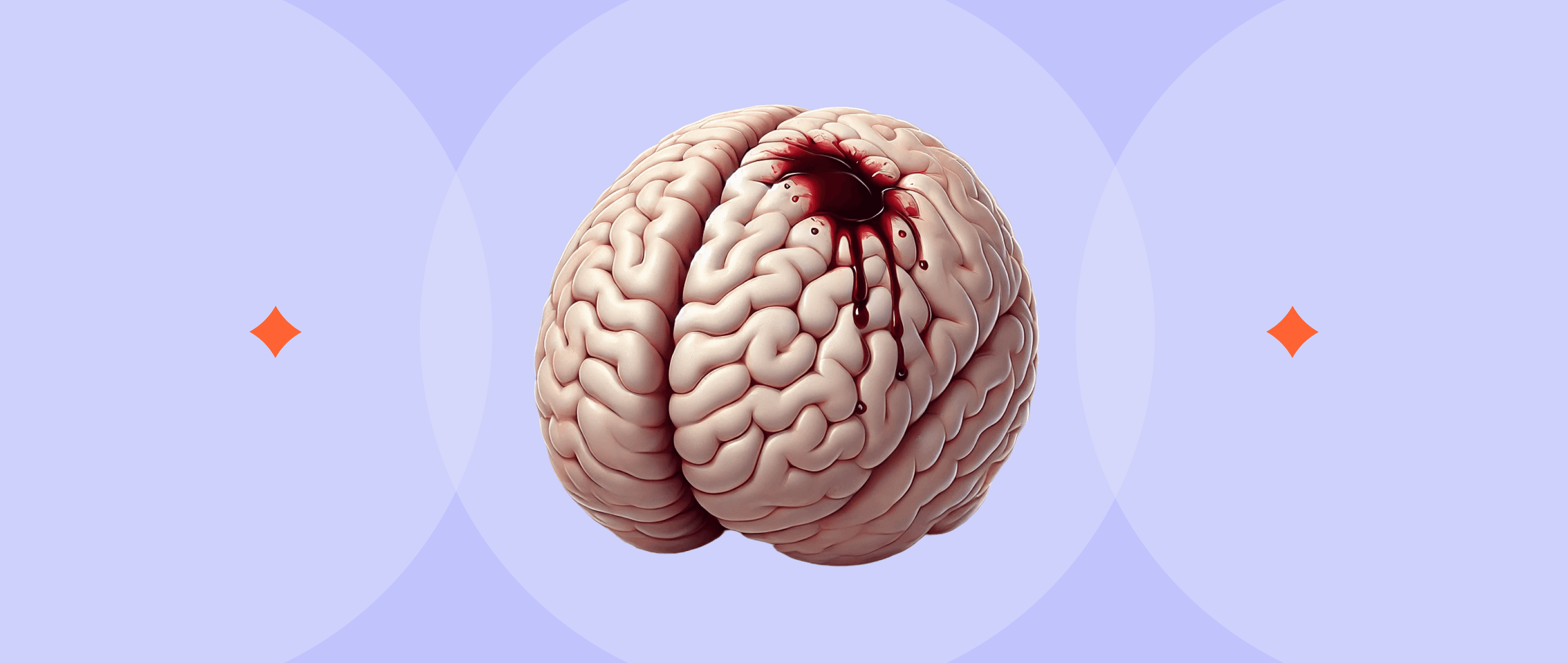
Life moves at a fast pace — between balancing your career, staying fit, and managing daily tasks, it's easy for accidents to happen. A stumble while jogging, a slip in the shower, or even a minor car bump may seem inconsequential at first. But could a seemingly harmless fall be hiding something more serious? A subdural haematoma is a condition that often goes unnoticed, quietly developing after what may appear to be a minor knock to the head.
In our busy lives, it’s common to brush off minor injuries, but when it comes to head trauma, being informed can be life-saving. For active individuals, older adults, and anyone juggling a hectic lifestyle, it’s essential to recognise the risks and warning signs of a subdural haematoma. Let’s take a closer look at a subdural haematoma, its causes, symptoms, and how it’s typically treated. Chronic subdural haematoma (CSDH) is a complex condition, with an incidence rate ranging from 1.7 to 20.6 per 100,000 people annually, and it’s more commonly seen in the elderly.
What is a subdural haematoma?
A subdural haematoma (SDH) is a type of bleeding that occurs between the layers of tissue that surround the brain. Specifically, it refers to blood accumulating between the dura mater (the brain’s outermost protective layer) and the arachnoid mater, which lies just beneath it. This bleeding puts pressure on the brain, potentially leading to serious complications if not addressed promptly.
Subdural haematomas are most often caused by head injuries that damage blood vessels in the brain. The severity can range from minor to critical, depending on the extent of the injury and how quickly it’s treated.
As the haematoma worsens, it can cause mental confusion, memory problems, and difficulty focusing.
Types of subdural haematomas
Subdural haematomas can be classified into three main types based on how quickly the symptoms develop and how soon they are detected:
1. Acute subdural haematoma
An acute subdural haematoma is the most severe form and develops quickly after a traumatic brain injury. Symptoms often appear within minutes to hours after the injury and can be life-threatening due to the rapid buildup of pressure on the brain. This type of haematoma usually results from high-impact injuries, such as car accidents or falls.
2. Subacute subdural haematoma
In a subacute subdural haematoma, the bleeding progresses more slowly. Symptoms may develop over a few days or weeks after the injury, making it less immediately apparent. This type of haematoma often results from a moderate injury where the symptoms aren't immediately disabling but are still dangerous if untreated.
3. Chronic subdural haematoma
A chronic subdural haematoma develops gradually over weeks or months, often after a minor head injury. The bleeding is slow, and symptoms may not be obvious right away. It’s more common in older adults, especially those on blood-thinning medications or those with other conditions that affect the blood's ability to clot.
Chronic subdural haematoma (CSDH) is a complex condition, with an incidence rate ranging from 1.7 to 20.6 per 100,000 people annually.
Subdural haematoma symptoms
The symptoms of a subdural haematoma can vary widely, depending on the severity of the bleeding and how much pressure is being placed on the brain. Some of the most common symptoms include:
- Headaches: A persistent or worsening headache is a hallmark symptom. The pain is often intense and can worsen over time.
- Confusion or difficulty concentrating: As the haematoma worsens, it can cause mental confusion, memory problems, and difficulty focusing.
- Drowsiness or lethargy: An increase in sleepiness or fatigue can be a warning sign, especially if it comes on suddenly after a head injury.
- Nausea and vomiting: Pressure on the brain can lead to feelings of nausea or even induce vomiting.
- Seizures: In severe cases, subdural haematomas can trigger seizures as the brain becomes increasingly compressed.
- Weakness or numbness: A subdural haematoma can cause weakness, numbness, or paralysis on one side of the body, reflecting pressure on specific areas of the brain.
- Slurred speech or difficulty speaking: Trouble articulating words or forming coherent speech can signal serious brain involvement.
- Vision problems: Blurred vision, double vision, or sudden loss of sight can indicate increased pressure on the brain.
- Loss of consciousness: In severe cases, a person may lose consciousness and may not wake up without medical intervention.
Subdural haematoma causes
The primary cause of subdural haematomas is trauma to the head, which can result from:
- Falls: One of the leading causes of subdural haematomas, especially in older adults, is falling and hitting the head.
- Car accidents: High-speed collisions often result in head injuries that can cause acute subdural haematomas.
- Violent blows: Any direct blow to the head — whether from sports, accidents, or violence — can cause blood vessels to rupture.
- Shaken baby syndrome: In infants, violent shaking can cause a subdural haematoma by damaging the blood vessels in the brain.
- Anticoagulant medications: People who take blood thinners are more prone to subdural haematomas because even a minor injury can result in significant bleeding.
- Alcohol abuse: Chronic alcohol consumption can lead to balance issues, increasing the likelihood of falls, and it also affects the blood’s ability to clot, making subdural haematomas more likely.
- Brain atrophy: With ageing, the brain tends to shrink slightly, creating more space between the brain and the dura mater. This stretching of blood vessels increases the risk of tearing with even minor trauma
Certain medications increase the risk of bleeding after even minor injuries.
Subdural haematoma complications
Subdural haematomas, particularly if left untreated, can lead to severe complications:
- Brain damage: The pressure exerted on the brain by the haematoma can cause permanent brain damage if the bleeding is not controlled in time.
- Coma: As pressure on the brain increases, consciousness may be lost, potentially leading to a coma.
- Herniation: In severe cases, the increased pressure can cause parts of the brain to shift or "herniate" through natural openings in the skull, which is a life-threatening emergency.
- Death: In cases of severe, untreated subdural haematomas, the result can be fatal due to the extensive brain damage and herniation.
Who is at risk for a subdural haematoma?
Certain individuals are at a higher risk of developing a subdural haematoma, including:
- Older adults are more prone to falls, and their brains are more susceptible to injury due to shrinkage and less resilient blood vessels.
- Certain medications increase the risk of bleeding after even minor injuries.
- Chronic alcohol abuse not only impairs coordination and balance but also negatively affects clotting, making subdural haematomas more likely.
- In cases of abuse, such as shaken baby syndrome, children are vulnerable to developing subdural haematomas.
- Athletes involved in contact sports like football, boxing, or hockey face an increased risk of head trauma and subdural haematomas.
Not all bumps are the same
Subdural haematomas are serious conditions that require immediate medical attention. Recognising the symptoms — such as headaches, confusion, and neurological deficits — is crucial, especially if a head injury has occurred. Those at higher risk, such as older adults or individuals on blood thinners, should be particularly vigilant. Early diagnosis and treatment can prevent severe complications like brain damage or death.
If you suspect a subdural haematoma after any head injury, it’s essential to seek emergency medical care to prevent long-term damage.
Frequently Asked Questions
1. How common are subdural haematomas?
Subdural haematomas are relatively common, particularly among older adults who are prone to falls. In younger people, they are often seen after severe trauma like car accidents.
2. Can a subdural haematoma be prevented?
While not all subdural haematomas can be prevented, steps like using seatbelts, wearing helmets, reducing fall risks for older adults, and managing medications can help lower the risk.
3. How to remove a subdural haematoma?
Subdural haematomas are typically treated with surgery to remove the accumulated blood and relieve pressure on the brain.
4. Can a subdural haematoma heal on its own?
Small subdural hematomas may resolve on their own with careful monitoring, but larger or symptomatic cases usually require medical intervention.
5. Can you live a normal life after a subdural haematoma?
Many people can recover fully and return to normal activities, especially with prompt treatment and rehabilitation, though some may experience lasting neurological effects.
Share Article