
 Medically Reviewed
Skin & Hair Health
What Is Impetigo? Symptoms, Causes, and Treatment Explained
Red, itchy, and spreading quickly? Impetigo could be the culprit. Learn how this bacterial infection works, who’s most at risk, and the fastest ways to get rid of it.
Mar 30, 2026
•5 min read
Share Article


Impetigo is a very contagious bacterial skin infection, mostly affecting children, but it is sure to hit adults, too. Millions of people face this very common condition every year, spreading like wildfire, in schools, daycare centres, and close-contact environments. While impetigo looks alarming with its red sores and honey-coloured crusts, it is treatable through simple medical interventions. Knowing its basics can help you quickly spot, manage, and prevent its spread.
What is impetigo? Your expert definition
Impetigo is caused by Streptococcus or Staphylococcus bacteria when they bypass the skin’s defences. It’s most common in children aged 2-6, but it can affect anyone with a weakened skin barrier. The bacteria sneak in through cuts, scrapes, or existing skin conditions, leading to red sores that quickly turn into lesions covered with a golden crust. In a way, it’s a microscopic invasion that turns your skin into a temporary battlefield.
Types of impetigo
Impetigo comes in three forms, each with its own style. Non-bullous impetigo is the "classic" version, causing red sores around the nose and mouth that turn into honey-coloured crusts. Bullous impetigo is more dramatic, forming large, fluid-filled blisters on the face, abdomen, and diaper area, mostly in infants. Ecthyma is the toughest of them all, digging deep into the skin with painful ulcer-like sores that can scar, often affecting those with weaker immunity. Despite their differences, all three share the same bacterial troublemakers.
Impetigo is caused by Streptococcus or Staphylococcus bacteria when they bypass the skin’s defences.
Skin's distress signals: Impetigo symptoms
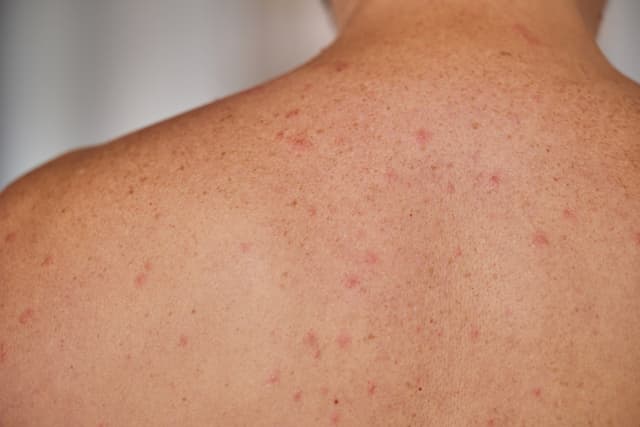
Impetigo is a contagious bacterial skin infection that often starts subtly but can progress quickly if untreated. Spotting the early signs is key to preventing its spread. The following are some of the common symptoms.
- Red spots: The infection typically begins as small, red patches on the skin. These spots may feel slightly raised and tender and can appear anywhere, but are most common around the mouth, nose, hands, and nappy area.
- Blisters or pustules: The red spots soon develop into small, fluid-filled blisters or pus-filled bumps. These blisters are delicate and can easily burst with minor friction or scratching.
- Honey-coloured crusts: After the blisters rupture, they leave behind golden or honey-coloured crusts, a signature sign of impetigo. These crusts often form in clusters and can be itchy or uncomfortable.
- Itching and swelling: Affected areas may experience mild to moderate itching and slight swelling. Scratching should be avoided as it can spread the bacteria to the surrounding skin or other people.
- Discomfort and soreness: The blisters and crusts can cause localised tenderness or soreness, making simple movements, like opening the mouth or using the hands, slightly uncomfortable.
- Systemic signs: In some cases, low-grade fever, fatigue, or swollen lymph nodes may appear, signalling that the body’s immune system is actively responding to the bacterial infection.
Impetigo causes and risk factors
Impetigo is like a bacterial invasion, with Staphylococcus aureus and Streptococcus pyogenes leading the charge. Their entry points? Cuts, scrapes, insect bites, eczema, or any skin weakness. Children (ages 2-6) are prime targets due to their developing immunity and close-contact settings like schools and daycare.
Risk skyrockets in crowded areas, poor hygiene, hot climates, and contact sports. Those with diabetes, immune disorders, or chronic skin conditions are even more vulnerable. If your skin’s defences are down, these bacteria are ready to claim new territory!
Impetigo earns the name “school sores” since it spreads very fast in close-contact environments like classrooms and playgrounds, and affects millions of people annually.
Complications of impetigo
Impetigo is usually mild, but if left untreated, it can spread deeper into the skin, sometimes leading to cellulitis, which causes swelling, redness, and discomfort. In very rare cases, bacteria can enter the bloodstream, potentially causing sepsis or post-streptococcal glomerulonephritis, a kidney condition.
Persistent impetigo may indicate bacterial resistance or an underlying immune issue. Some people unknowingly carry the bacteria, making reinfection possible. Timely treatment helps keep these bacteria in check and prevents complications, ensuring a smooth recovery.
Spot the difference: Impetigo vs cold sore
Though impetigo and cold sores may look similar at first glance, they come from completely different causes. Cold sores stem from the herpes simplex virus (HSV) and usually appear as fluid-filled blisters around the lips, often with a tingling or burning sensation before they break open. They tend to recur in the same spots.
Impetigo, on the other hand, is a bacterial infection that spreads more widely and forms honey-coloured crusts. Unlike cold sores, which are mostly confined to the mouth area, impetigo can show up on the hands, arms, legs, or diaper region.
Treatment also differs: Cold sores are viral and managed with antivirals, while impetigo requires antibacterial treatment to prevent spread and complications.
While impetigo looks alarming with its red sores and honey-coloured crusts, it is treatable through simple medical interventions.
The way forward
Impetigo is a common skin infection that can be easily managed with early detection and proper care. Understanding its causes, symptoms, and treatment options helps prevent complications and further spread. Maintaining good hygiene, keeping wounds clean, avoiding sharing personal items, and seeking medical advice when needed are key steps in protecting your skin and overall health.
Frequently Asked Questions
1. Is impetigo contagious?
A very contagious bacterial skin infection that can be spread through direct contact, contaminated surfaces, or shared personal items such as towels, clothes, and athletic equipment.
2. Does impetigo last for a few weeks?
It usually resolves within 2 to 3 weeks if properly treated with medical care; otherwise, it may linger and extend into other parts of the body.
3. Can adults develop impetigo?
It is more prevalent in children, although it can also strike adults due to weak immune systems, poor hygiene, or existing skin conditions.
4. How is impetigo diagnosed?
Impetigo is diagnosed by direct examination of skin lesions, but culture may be required for isolation of particular infectious agents in more complicated cases.
5. What are the treatments?
Topical or oral antibiotics are the main treatments. Prescription creams or oral medications effectively eradicate bacterial infection within several days. Impetigo can be prevented.
Share Article