
 Clinically Reviewed
Diet & Nutrition
Fenugreek Seeds Benefits: Uses, Nutrition, and Health Impact
May 26, 2026
•7 min read
Share Article

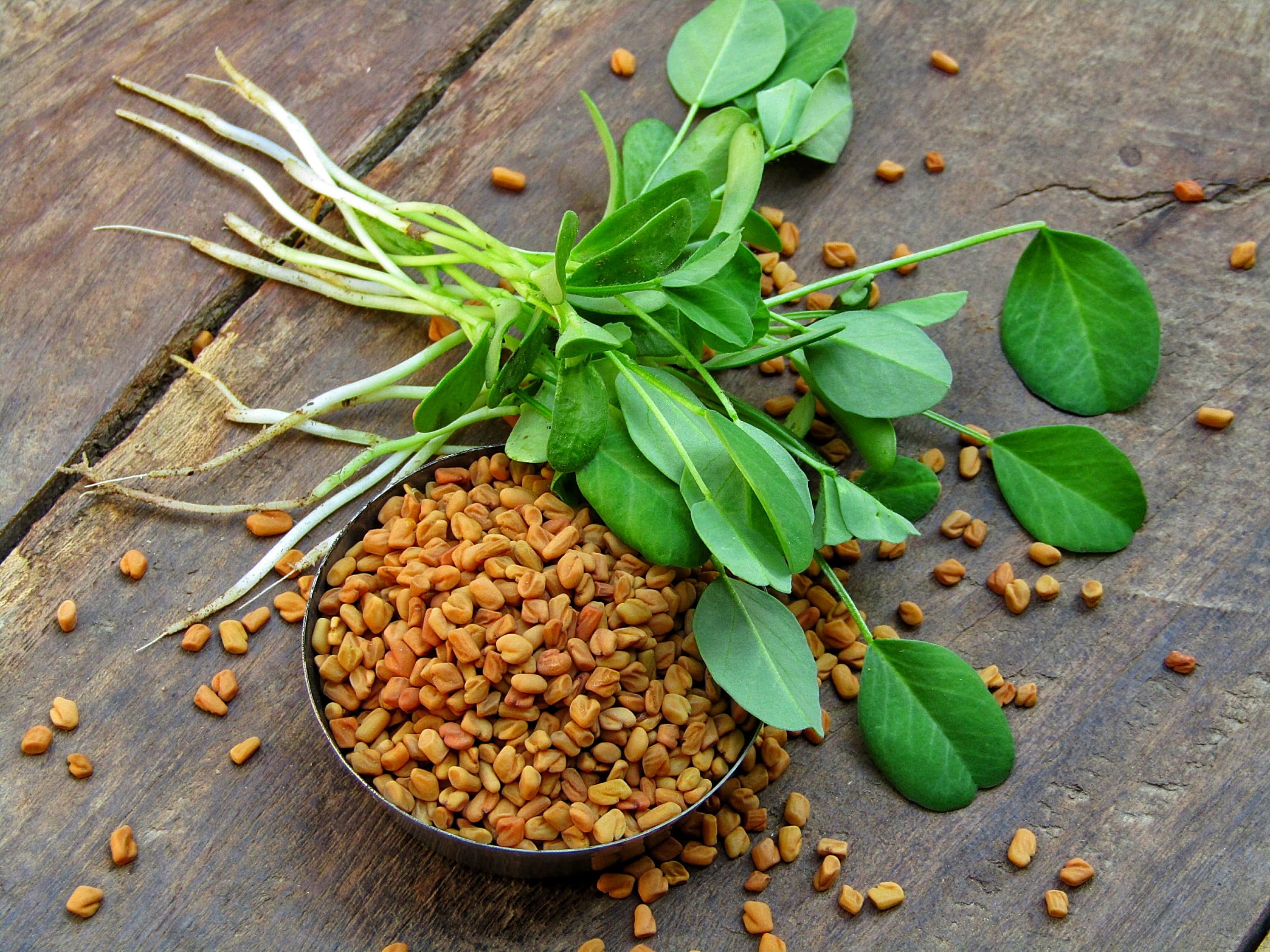
Fenugreek seeds are small, golden, and often overlooked, yet they have been a trusted part of kitchens and traditional remedies for centuries. Many of us might remember seeing our mothers or grandparents tossing a few seeds into curries or steeping them in warm water, without realising just how much impact these tiny seeds could have on health. Today, science has begun to catch up with tradition, revealing that these humble seeds are packed with nutrients and active compounds that can support overall wellness.
In this blog, we'll dive into the benefits of fenugreek seeds and explore how they can enhance digestion, regulate blood sugar, support hormonal balance, and more. From their nutritional profile to practical uses, the health benefits of fenugreek seeds are impressive and versatile, making them a simple yet powerful addition to your daily routine. Whether you're looking to improve your general well-being or address specific health concerns, understanding how to use fenugreek seeds safely can open the door to a host of natural wellness advantages.
What are fenugreek seeds?
Fenugreek is a fragrant, clover-like herb that originates from the Mediterranean region, southern Europe and western Asia. Its seeds are harvested from the plant Trigonella foenum-graecum, which belongs to the legume family. In South Asia, it is widely known as "methi" and has long been valued in both traditional cooking and herbal practices. The seeds are small, hard and golden-brown in colour, with a naturally bitter taste that is often likened to caramelised sugar or maple syrup. When lightly roasted, their flavour becomes warmer and more aromatic, making them a staple in curries, pickles and spice blends. Alongside their culinary appeal, the benefits of fenugreek seeds have attracted growing attention in the field of natural health and nutrition.
From a nutritional perspective, fenugreek seeds are particularly rich in soluble fibre, which supports digestive function and overall gut health. They also contain plant-based protein, iron, magnesium, manganese and small amounts of essential B vitamins. These nutrients contribute significantly to the health benefits of fenugreek seeds, supported further by natural compounds such as saponins, flavonoids and alkaloids that are associated with their therapeutic potential.
Fenugreek is a fragrant, clover-like herb that originates from the Mediterranean region, southern Europe and western Asia.
Health benefits of fenugreek seeds
Curious about the remarkable benefits of fenugreek seeds and why they've been treasured in traditional remedies for centuries? These tiny golden seeds pack a powerful nutritional punch that can support your health in surprising ways.
Supports healthy digestion
Fenugreek seeds are rich in soluble fibre, which helps regulate bowel movements and prevent constipation. The mucilage content soothes the stomach lining, making it beneficial for people who suffer from indigestion, bloating, or mild gastritis. Regular consumption can also promote a healthier gut environment by supporting beneficial bacteria. Soaking fenugreek seeds overnight before consumption enhances digestibility and improves nutrient absorption.
Helps regulate blood sugar levels
One of the most well-researched benefits of fenugreek seeds is their ability to help manage blood glucose levels. The soluble fibre slows down carbohydrate absorption, preventing sudden spikes in blood sugar. This makes fenugreek particularly helpful for individuals with insulin resistance or type 2 diabetes, when used alongside medical guidance. Consuming soaked fenugreek seeds 30 minutes before any major meals is preferable, rather than on an empty stomach, as it may help avoid issues like hyperacidity in some individuals.
Supports heart health
Fenugreek seeds may help reduce levels of LDL (bad) cholesterol and triglycerides in the blood. Their high fibre content and antioxidant compounds contribute to improved cardiovascular function, potentially lowering the risk of heart disease when combined with a balanced diet and active lifestyle.
Aids weight management
The fibre in fenugreek seeds helps you feel fuller for longer, reducing unnecessary snacking and overeating. By promoting satiety and stabilising blood sugar levels, they can support healthy weight management as part of a nutritious eating plan. The recommended dose for weight loss is 1tbsp per day.
Note: Dosages used in research vary; there is no universally established dose for weight management. Starting with 1 teaspoon per day and adjusting with expert guidance is a reasonable approach.
Supports skin and hair health
Thanks to their antioxidant and anti-inflammatory properties, fenugreek seeds can benefit both skin and hair. They may help reduce acne, soothe irritated skin, and strengthen hair follicles when consumed or applied as a paste.
Reduces inflammation
Fenugreek contains plant compounds such as flavonoids and alkaloids that exhibit anti-inflammatory effects. This may help ease joint discomfort and support overall immune health.
Traditionally used as a natural galactagogue, fenugreek seeds are often recommended to support milk production in breastfeeding mothers.
Fenugreek seeds: Benefits for women and men
When it comes to natural wellness, few ingredients are as versatile as fenugreek. While many people know the general advantages, the benefits of eating fenugreek seeds can be distinctly powerful for women and men in different ways.
Benefits for women
Helps manage PCOS symptoms
Fenugreek may support improved insulin sensitivity, which is particularly beneficial for women with PCOS. Better blood sugar control can help regulate irregular cycles and reduce hormonal imbalances associated with the condition.
Supports oestrogen activity
Fenugreek contains phytoestrogens that may gently support oestrogen levels. This can help during perimenopause and menopause by easing hot flushes, night sweats, and mood fluctuations.
Reduces menstrual pain
Certain compounds in fenugreek have anti-inflammatory and antispasmodic properties, which may help reduce period cramps and regulate heavy menstrual bleeding.
Boosts postpartum recovery
Beyond lactation support, fenugreek may assist new mothers by improving iron absorption and replenishing strength after childbirth.
Benefits for men
Helps enhance free testosterone
Among the more specific fenugreek seeds benefits for men is its potential role in supporting testosterone. This may positively influence muscle growth, motivation, and libido.
Supports male fertility
Some studies suggest that fenugreek may help improve sperm count and motility, contributing to better reproductive health in men.
Helps reduce visceral fat
Fenugreek may assist in improving insulin sensitivity and fat metabolism, which can help reduce abdominal (visceral) fat, a common concern in men.
Improves sexual health and performance
Traditionally used as a natural aphrodisiac, fenugreek may help enhance stamina and overall sexual well-being by supporting hormonal balance.
Tips to consume fenugreek seeds safely
The remarkable fenugreek seeds' benefits can support digestion, blood sugar regulation, hormonal balance, and more, but it's important to consume them correctly to maximise their effects and avoid any side effects. Here's a guide on safe and effective ways to include them in your daily routine:
1. Soak before use
Soaking fenugreek seeds overnight makes them easier to digest and enhances nutrient absorption. Many people prefer the benefits of fenugreek seeds soaked in water, such as improved digestion and better blood sugar control, by drinking the infused water in the morning.
2. Start small
Introduce fenugreek gradually; start with 1 teaspoon of seeds per day. This helps your body adjust and reduces the risk of mild digestive discomfort, such as bloating or gas.
3. Use in cooking
Fenugreek seeds can be lightly roasted or ground into a powder and added to curries, soups, or stews. This is a safe way to enjoy their flavour and nutritional benefits without overconsumption.
4. Pair with water or warm milk
Fenugreek seeds can be boiled in water or warm milk to make a soothing drink. Consuming them this way supports digestion, blood sugar balance, and overall wellness.
Do not exceed 1–2 tablespoons per day of whole seeds or powdered fenugreek, as excessive intake may cause mild gastrointestinal issues or interact with certain medications. Additionally, pregnant women or those with medical conditions should consult a healthcare professional before adding fenugreek to their routine.
Fenugreek seeds can be lightly roasted or ground into a powder and added to curries, soups, or stews.
Conclusion
From boosting digestion and regulating blood sugar to supporting hormonal balance and enhancing skin and hair health, the benefits of fenugreek seeds are truly remarkable. Incorporating these tiny yet powerful seeds into your daily routine, whether soaked in water, added to meals, or used as a flavouring agent, can offer lasting wellness advantages. With proper use, fenugreek seeds are more than just a kitchen ingredient; they are a natural ally for a healthier, more balanced lifestyle.
Frequently Asked Questions
1. What happens if we eat fenugreek seeds daily?
Eating fenugreek seeds daily may improve digestion, regulate blood sugar, and support overall health, but moderation is key to avoiding mild digestive discomfort.
2. What are the benefits of fenugreek seeds?
Fenugreek seeds can aid blood sugar control, boost heart health, support lactation, and improve skin and hair health, among other wellness benefits.
3. What are the side effects of fenugreek?
Excessive consumption may cause bloating, gas, or a mild maple-like odour in sweat and urine; it may also interact with certain medications.
4. What can fenugreek do for females?
Fenugreek may help regulate menstrual cycles, ease cramps, support hormonal balance, and enhance milk production in breastfeeding women.
Share Article