
 Medically Reviewed
General Health
Creatine HCL vs Monohydrate: Is One Really Better?
Jun 15, 2026
•4 min read
Share Article

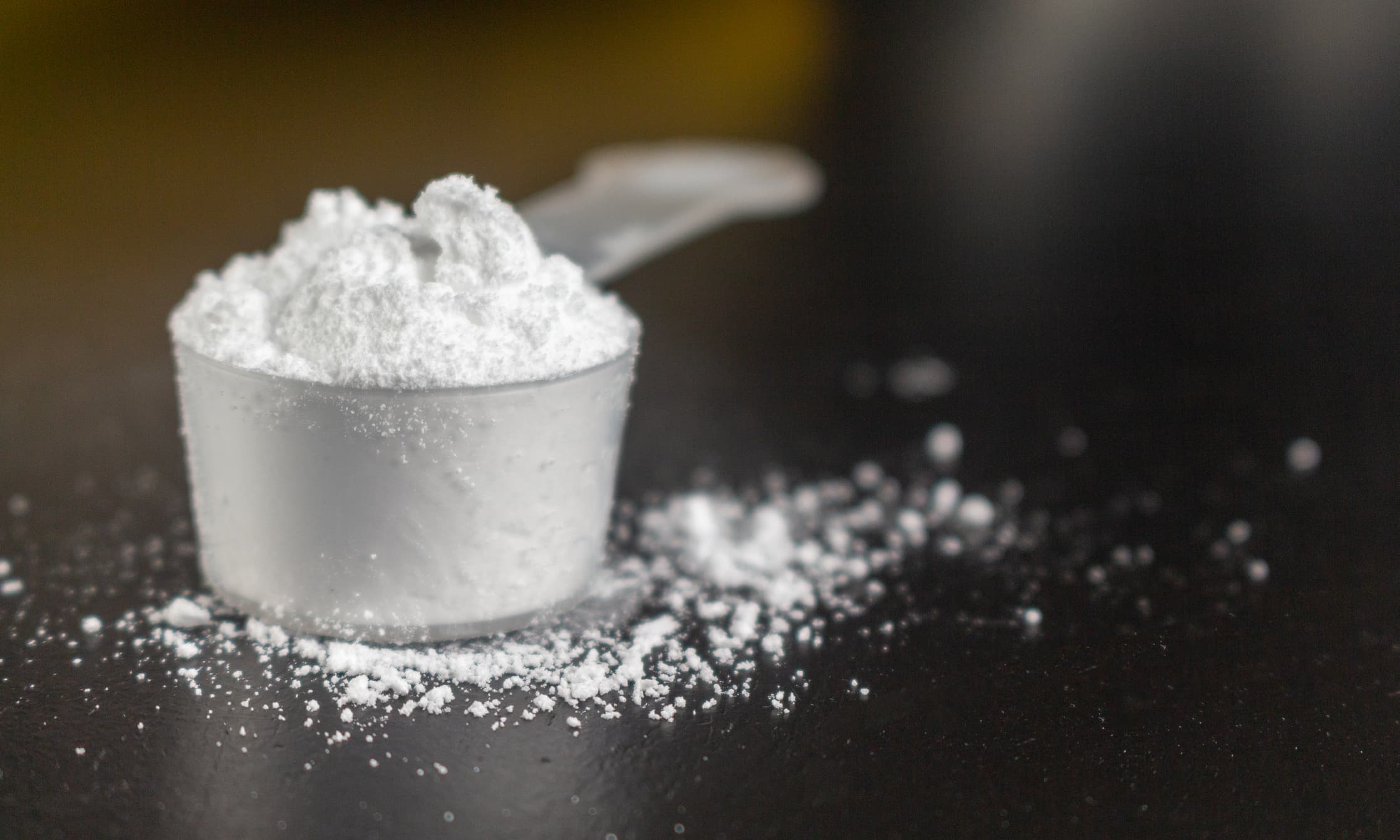
Creatine is one of the most thoroughly researched compounds in sports nutrition, frequently studied for its role in strength, performance, or muscle gain. But with terms like monohydrate and hydrochloride (HCL) floating around, it is easy to wonder what all those labels actually mean. At their core, these different forms simply reflect variations in molecular structure, processing, and how the compound behaves when dissolved in water — offering a fascinating look into the underlying biochemistry of sports science formulations.
Always consult with a qualified healthcare professional or doctor before making any changes to your diet, health routine, or starting any new supplement.
How creatine naturally works in your muscle
Your muscle cells use an energy molecule called ATP to power every movement you make. For rapid, explosive actions like heavy lifting or sprinting, your body relies on phosphocreatine — a compound stored naturally in your muscles — to instantly recharge spent energy:
- Energy is used: ATP (Full Energy) --> Used by Muscle --> ADP (Spent Energy)
- Natural energy reserve: Creatine (From body/diet) + Phosphate --> Phosphocreatine
- Energy is recharged: ADP (Spent Energy) + Phosphocreatine --> ATP (Fresh Energy)
What is creatine monohydrate?
Creatine monohydrate is a compound composed of a single creatine molecule bound to one water molecule.
The added water molecule simply stabilises the physical crystal structure of the raw compound. Once inside the body, it separates, leaving the creatine molecule to enter the muscle cell.
In scientific literature, monohydrate is the most extensively studied form of creatine.
Your liver and kidneys produce about 1 to 2 grams of creatine naturally every single day using amino acids. Your muscle cells constantly convert this natural creatine into phosphocreatine to recharge energy during quick movements.
What is creatine HCL?
Creatine hydrochloride (HCL) is a form of creatine bound to a hydrochloric acid molecule.
Attaching the hydrochloric acid lowers the pH of the compound, altering its physical properties. The primary structural difference lies in its water solubility — creatine HCL dissolves significantly more easily in liquids compared to creatine monohydrate.
Inside the body, the hydrochloric acid molecule separates upon ingestion. The remaining creatine molecule is then absorbed and enters the muscle cells, where it functions through the exact same biochemical pathway as all other forms of creatine: binding with phosphate to form phosphocreatine and aiding in cellular ATP regeneration.
Key differences: HCL vs monohydrate
- Water solubility:
Creatine HCL has significantly higher solubility in water than creatine monohydrate due to its lower pH. Monohydrate takes longer to dissolve fully in liquids. - Research and evidence base:
Creatine monohydrate is the most extensively studied form in scientific literature, serving as the benchmark for efficiency and safety. Creatine HCL is a newer chemical variation with less long-term research dedicated specifically to its profile. - Mechanism in the body:
Once ingested, the attached water or hydrochloric acid molecules separate. The remaining creatine molecule functions identically in the muscle tissue regardless of the starting form. - Reported gastrointestinal tolerance:
According to studies, creatine monohydrate occasionally reports mild gastrointestinal discomfort or bloating in certain individuals if not fully dissolved. Because creatine HCL dissolves much faster in water, researchers hypothesise that it might reduce the amount of undissolved powder sitting in the digestive tract. However, clinical research directly comparing digestive outcomes of the two forms is sparse.
While famous in exercise science, creatine is also used heavily by the brain. Research shows that your brain relies on phosphocreatine to fuel intense cognitive tasks, memory, and quick thinking.
So, which is more effective?
When it comes to actual results in the gym, current studies show that neither form has a proven edge over the other for boosting strength or muscle growth. Direct comparative research found no performance difference between them, as both creatine monohydrate and creatine HCL simply deliver creatine to your muscle cells to do the exact same job once absorbed. The real difference comes down to basic chemistry before you drink it — HCL dissolves much faster in water, while monohydrate is by far the most thoroughly researched form in sports science.
As always, it's best to check with your doctor to see what makes the most sense for you!
Frequently Asked Questions
1. What is the main difference between creatine HCL and creatine monohydrate?
Creatine monohydrate consists of a creatine molecule bound to a water molecule, while creatine HCL binds creatine to a hydrochloric acid molecule. The main difference lies in their physical properties: creatine HCL has higher water solubility due to its lower pH, whereas monohydrate is the form most extensively studied in scientific literature.
2. Which is more effective for muscle gain?
Current research shows no proven difference in effectiveness between the two forms. Both deliver free creatine to muscle tissue, where it performs the exact same role in cellular energy production once absorbed. Monohydrate has a vast body of evidence validating its results, while HCL has significantly fewer comparative clinical trials.
3. Does creatine HCL cause less bloating than monohydrate?
Because creatine HCL dissolves more completely in water, it is theorised that it may reduce the amount of undissolved powder in the digestive tract. However, there is currently a lack of peer-reviewed clinical data directly proving that HCL causes less bloating or stomach discomfort than monohydrate.
Sources:
Share Article