
 Medically Reviewed
General Health
LISS Cardio: Benefits, Workouts & How It Compares To HIIT
Jun 15, 2026
•7 min read
Share Article

Fitness culture has been thriving in Indian metros, and it's something worth celebrating. From cult-fit classes and Tabata sessions to 15-minute social media reels, high-intensity training is everywhere, and for good reason. It's efficient and produces quick results. But here's something that you should consider – not every workout needs to leave you gasping for air. That's where LISS cardio comes into the picture. A slower, steadier form of exercise that athletes, physiotherapists, and trainers have relied on for decades, it may not be as trendy as HIIT bootcamps or CrossFit-style workouts, but it delivers something just as real. If you've been wondering whether you need to go hard every single session, you probably don't.
What is LISS cardio?
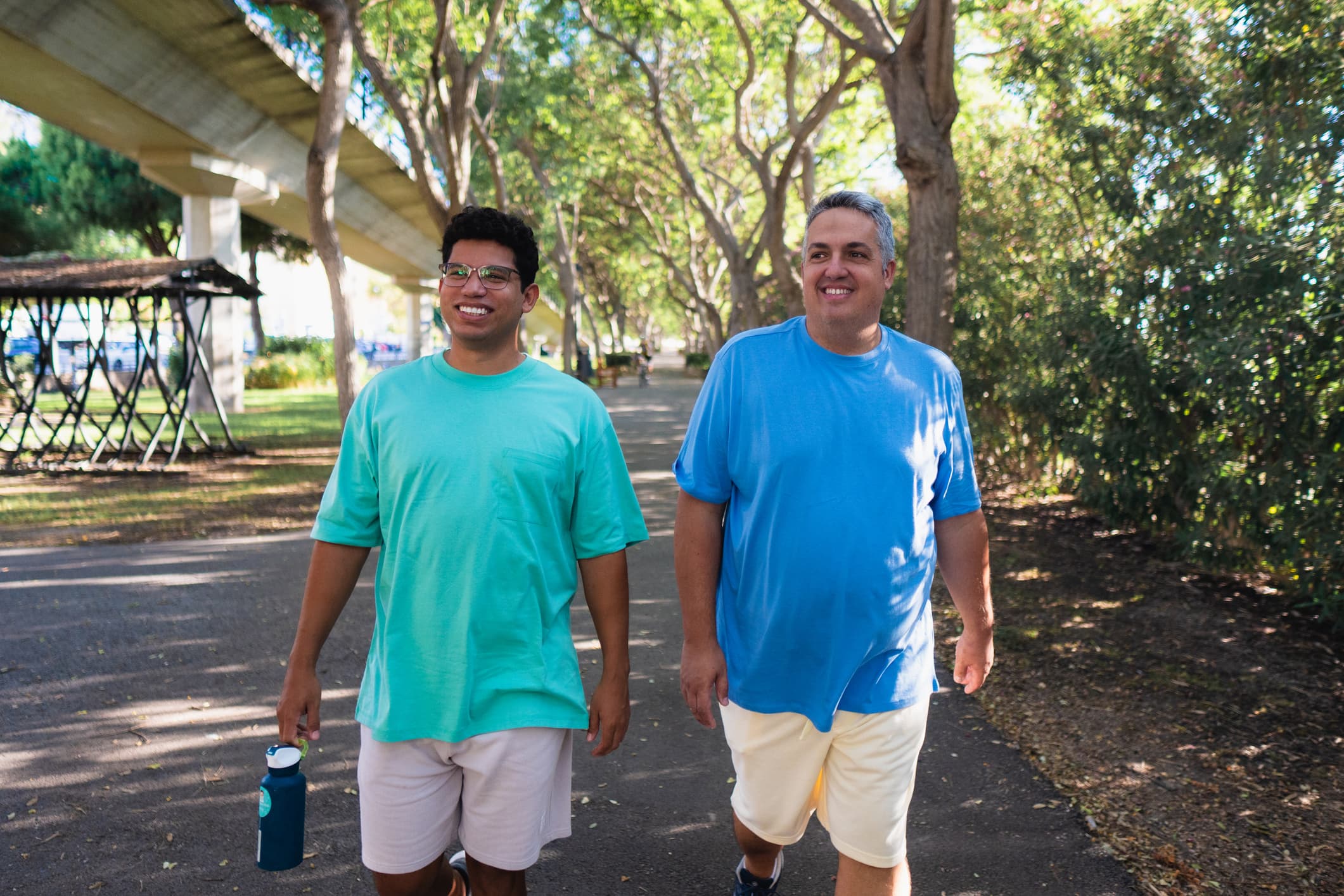
LISS stands for Low-Intensity Steady-State cardio, which quite simply means moving at a consistent, comfortable pace for a sustained period. Typically, this could be between 30 and 60 minutes. Think of a relaxed morning walk around Cubbon Park in Bangalore, a slow cycle along Marine Drive in Mumbai, or a steady swim at your local pool, and you get the picture.
If you can hold a full conversation without running out of breath, and your heart rate is sitting at around 50 to 65% of your maximum, that is LISS. There are no dramatic intervals, no collapsing at the end of rounds. Just you, a comfortable pace, and time.
LISS stands for Low-Intensity Steady-State cardio, which quite simply means moving at a consistent, comfortable pace for a sustained period.
How LISS cardio works
The science behind LISS boils down to how your body uses energy at different exercise intensities. At low to moderate effort, your aerobic energy system is running the show. It has enough oxygen available to efficiently break down fat for fuel. Research confirms that fat oxidation peaks at roughly 57 to 66% of maximum heart rate, which maps directly onto LISS intensity. Push the intensity higher, as you would in HIIT, and the body shifts toward burning carbohydrates because they convert to energy much faster under pressure. LISS keeps you in that fat-burning window for a longer, sustained stretch of time. It is a slower burn, quite literally.
Benefits of LISS cardio
The benefits of LISS go well beyond just burning a few extra calories, covering everything from body composition and joint health to mental well-being and recovery.
Fat burning and weight loss
With LISS cardio, you’re never pushing to the point that you are out of breath because you only work out at an intensity that raises your heart rate to about 65%. This means that your body has enough oxygen available for fat metabolism or oxidation, which it uses for energy to fuel your workout. Working out consistently in this manner will therefore lead to meaningful calorie expenditure and fat loss, especially when supported with a healthy, balanced diet.
Most experts, including the WHO's global physical activity guidelines, recommend at least 150 to 300 minutes of moderate-intensity aerobic activity a week, which matches the typical duration and frequency of LISS sessions – 30 to 60 minutes, with three to five sessions a week. It is also far more sustainable than intense training for people who are just beginning their fitness journey, since it can be done daily without accumulating excessive fatigue.
Low impact on joints
One of the strongest clinical arguments for LISS is how gentle it is on the joints. High-impact exercise generates significant ground reaction forces that travel through the ankles, knees, and hips with every rep or stride. LISS activities like walking, cycling, and swimming dramatically reduce this mechanical load. For clients dealing with early-stage osteoarthritis, post-injury recovery, or chronic knee and hip discomfort, this is not a small thing. It is often the difference between being able to exercise at all and not. In a country where long commutes, desk-bound jobs, and minimal daily movement are increasingly the norm across Delhi, Mumbai, and Bangalore, LISS offers a joint-friendly reintroduction to regular physical activity.
Recovery and mental health
LISS is also a powerful recovery tool. As a gentler but consistent form of cardio exercise, it encourages movement without putting stress on the muscles. This promotes circulation, allowing for better oxygen and nutrient delivery to fatigued muscles and supporting the removal of metabolic wastes like lactate, thereby promoting recovery.
Besides promoting recovery, LISS cardio is also great for your mental wellness. A review published in the journal Physical Activity and Nutrition found that regular moderate-intensity aerobic exercise can significantly reduce symptoms of depression and anxiety. For anyone navigating the relentless pace of life in urban India, that steady 45-minute walk might genuinely be the most therapeutic part of the day.
Most experts recommend at least 150 to 300 minutes of moderate-intensity aerobic activity a week.
LISS vs HIIT: Which is better?
This is the question most people are really asking, and the straightforward answer is that neither is universally better. They serve different purposes and are most effective when used together.
HIIT is efficient, burns significant calories during and after exercise, and is excellent for rapidly improving cardiovascular fitness. But it also places considerable stress on your muscles, joints, and nervous system. Done too frequently without adequate recovery, it increases the risk of overtraining, burnout, and injury.
LISS, by contrast, can be done more frequently, is far easier to sustain long-term, and still delivers real metabolic and cardiovascular benefits. For beginners, it is a less overwhelming entry point into fitness. For trained athletes, it provides a critical counterbalance to intense sessions.
The practical sweet spot for most people is a combination of both: two to three HIIT sessions per week paired with two to three LISS sessions for active recovery and fat burning. Think of them not as rivals but as two tools doing different jobs in the same training plan.
Best LISS cardio exercises
There are several practical ways to bring LISS into your routine, and the best option is simply the one that fits your life and that you will consistently show up for.
Walking
Walking is the most accessible LISS exercise there is, requiring no equipment, no gym membership, and no learning curve. A brisk 45-minute walk at a comfortable, conversational pace, whether around Lodhi Garden in Delhi, Bandstand in Mumbai, or Lal Bagh in Bangalore, is a legitimate workout. The key is keeping it steady without pushing so hard that you get breathless.
Cycling
Steady cycling, either outdoors or on a stationary bike, is excellent LISS cardio and particularly gentle on the knees since the bike supports your body weight. Keep the resistance low to moderate and maintain a consistent cadence for 30 to 60 minutes. If outdoor cycling is not practical in your city, a stationary bike works just as well.
Swimming
Swimming has long been recognised as one of the best forms of aerobic exercise, and it’s also easy on your joints, even with higher intensity sessions. The weightlessness that you feel in water translates into reduced impact on the joints, making it particularly helpful for anyone with injuries or joint disease. This makes its restorative effects accessible to people of any fitness level.
Elliptical
Like swimming, an elliptical trainer is easy on the joints as it replicates the motion of running without the impact. This makes it a popular indoor LISS workout option, especially when conditions outside are not favourable for walking or cycling, as is often the case in cities like Mumbai because of the monsoons and abundance of potholes. When using an elliptical trainer, keep resistance and incline moderate, and aim for a steady pace for at least 30 minutes.
Steady cycling, either outdoors or on a stationary bike, is excellent LISS cardio and particularly gentle on the knees.
How to add LISS to your fitness routine
Adding LISS to your week does not require a major overhaul. A few simple adjustments go a long way:
- Start with three 30-minute LISS sessions per week, scheduled on days between HIIT or strength training sessions.
- Use LISS as an active recovery tool by going for a slow walk or gentle swim the day after an intense workout.
- If you are a complete beginner, spend the first four to six weeks doing LISS exclusively before introducing higher-intensity training.
- Stay in the 50 to 65% of maximum heart rate zone. A simple estimate: subtract your age from 220 to get your maximum heart rate, then calculate 50 to 65% of that number.
- Choose an activity you genuinely enjoy. Consistency will always matter more than intensity.
Why LISS cardio deserves a place in your routine
LISS cardio may not be the trendiest workout, but its value goes far beyond hype. It offers a sustainable, low-impact way to improve cardiovascular health, support fat loss, and build long-term fitness without placing excessive strain on the body.
What makes LISS truly effective is its accessibility. Whether you are just beginning your fitness journey, recovering from an injury, or balancing a demanding HIIT routine, it provides a steady and reliable approach that fits into almost any lifestyle.
Rather than replacing high-intensity workouts, LISS complements them, helping with recovery, improving endurance, and making your overall routine more balanced and consistent. In the long run, it's this consistency and adaptability that lead to meaningful, lasting results.
Frequently Asked Questions
1. What is the recommended LISS cardio heart rate?
LISS cardio is typically done at about 50 to 65% of your maximum heart rate. A simple way to stay on track is to only push yourself to the extent that you can still have a conversation without getting out of breath.
2. What are the main benefits of LISS cardio?
LISS can support fat loss, be gentler on the joints, aid recovery, and help improve mental well-being. It is also more sustainable for many beginners.
3. How is LISS different from HIIT?
HIIT is more intense and burns calories quickly, but it also puts more stress on the body. LISS is easier to sustain, can be done more often, and works well as a recovery tool.
4. What are some good LISS cardio exercises?
Walking, cycling, swimming, and using an elliptical are all good options. The best choice is the one you can do consistently at a steady pace.
Share Article