

 Clinically Reviewed
Longevity
How Strength Training Supports Longevity Beyond 50
Nov 11, 2025
•7 min read
Share Article

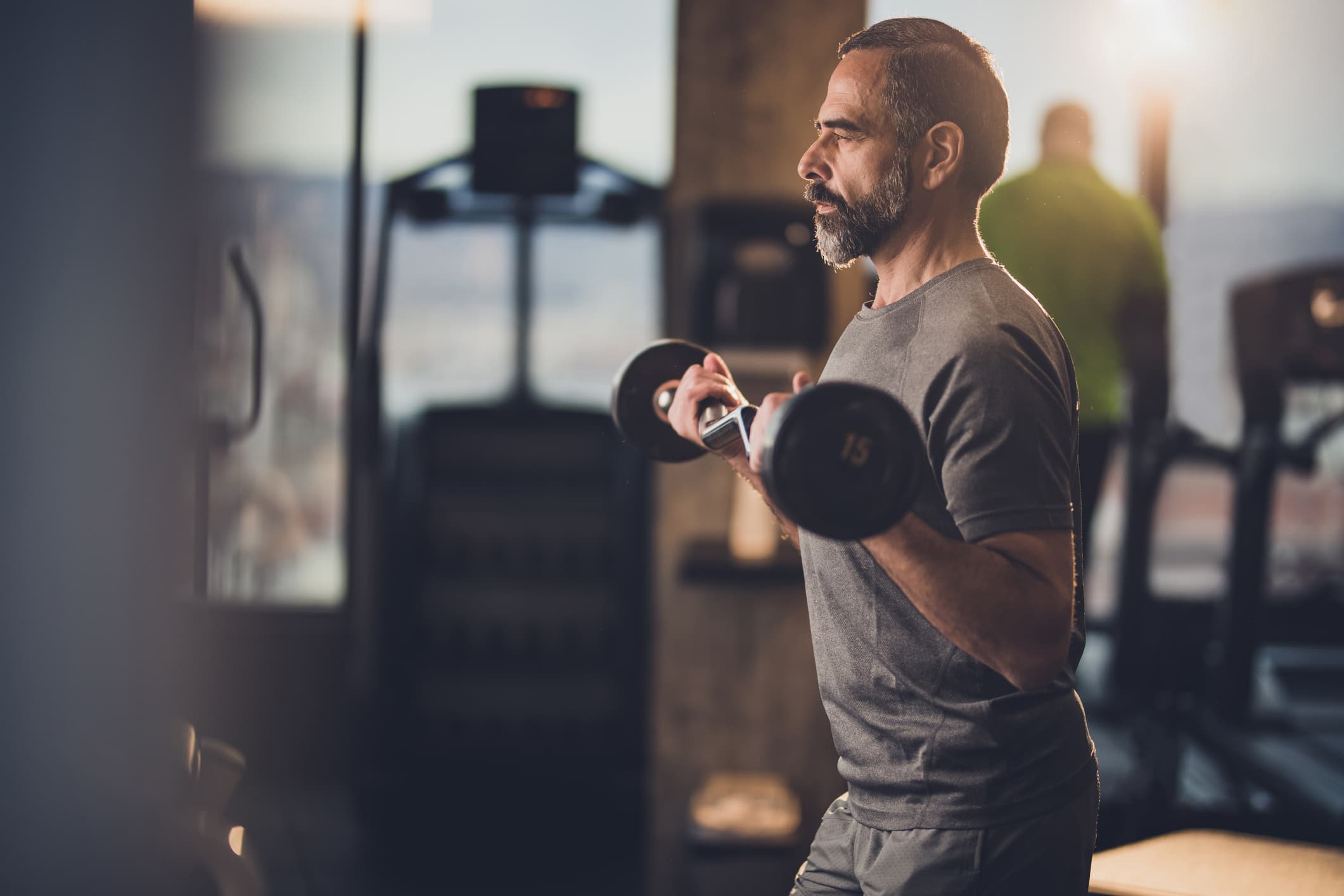
There’s a growing shift in the attitude of Indians towards life and quality of life. People are beginning to recognise that when it comes to years lived, quality is just as important as quantity. All of us would like to be independent and mobile for as long as we possibly can, enjoying what many describe as ‘the best years’ of our lives. Of course, achieving this goal requires some amount of work and careful planning. Think of it just as you would a retirement fund — early and thoughtful investments will give you greater returns. So, while you probably recognise the importance of aerobic exercises, such as walking, running, swimming, and cycling, you should also take a closer look at the benefits of strength training for longevity and quality of life. You’ll find that adding strength training to your cardio is one of the best things you can do for your health today and for the future.
Why does strength training matter after 50?
Once you cross the age of 30, you begin to lose muscle mass steadily. This is described as sarcopenia, and it’s a part of the normal ageing process. From your 30s, you begin to lose up to 8% of muscle mass a decade, which increases further by your 60s. This is one of the most notable causes of disability in elderly adults, as it increases the risk of serious injuries and falls. Moreover, a reduction in muscle mass is typically accompanied by a gradual increase in fat mass. This shift in body composition is associated with a higher risk of chronic health conditions like diabetes and heart disease that can reduce both life expectancy and quality of life. Including regular strength training exercises in your routine is the best way to counter this risk and preserve muscle mass as you age.
Osteoporosis is well-recognised as a serious threat to the aged, but most people don’t realise that these changes begin by the time you reach your 40s – you start to lose bone mass at a rate of about 1% a year. Without nutritional and lifestyle changes, bone loss continues or increases, making the bones fragile, greatly increasing the risk of fractures from minor falls. This is another leading cause of disability in older adults, and it’s also linked to increased mortality. We know from decades of research that strength training can also protect against this type of bone loss, even helping to strengthen and build bone. This helps to mitigate much of the risk of age-associated reductions in bone mass as the combination of cardio and strength training produces stronger and denser bones.
Once you cross the age of 30, you begin to lose muscle mass steadily. This is described as sarcopenia.
The link between strength training and longevity
Several large-scale studies have demonstrated the link between strength training and longevity, with weight training or resistance exercises alone reducing all-cause mortality by 21-22%. But what explains these dramatic changes in life expectancy from including strength training exercises in regular workouts? There are several explanations for this phenomenon.
Strength training is primarily associated with building muscle mass and muscle strength, with such benefits also observed in adults aged 50 years and older. This improves metabolic health and body composition, which reduces the risk of common chronic diseases, including diabetes and heart disease – the leading causes of disability and death as we grow older. Strength training exercise also reduces the risk of falls and injuries, as greater muscle strength corresponds with reduced frailty and weakness. People who engage in weight training and resistance training also tend to have better balance and more confidence.
Additionally, strength training exercises put greater stress on the bones, and this mechanical load is known to strengthen them over time. Repeated exposure to such stress triggers bone-forming cells called osteoblasts to become more active, resulting in increased bone density and reduced porosity. This process is called bone remodelling, and it is one of the best ways to safeguard against osteoporosis and fractures as you grow older. As falls pose the greatest risk of disability and death in the aged, improving bone and functional strength through strength training lowers the risk of mortality and contributes to longevity.
Increases in muscle mass and functional strength are also known to boost levels of confidence and self-esteem, which can help you to stay active and engage in self-care practices. This becomes increasingly important as you age, not only reducing the risk of falls but also protecting against other chronic diseases and improving overall quality of life.
Strength training exercises put greater stress on the bones, and this mechanical load is known to strengthen them over time.
Best strength training for longevity after 50
Strength training exercises are not limited to lifting weights, but can also include the use of resistance bands or body weight. What’s important is consistency. Ideally, you should include strength training in your workout routine for three to four days a week, giving muscles adequate rest days to repair and grow. Some of the best strength training exercises to include are:
- Chair squats — to strengthen your hips, thighs, and buttocks
- Wall push-ups — to strengthen your arms, shoulders, and chest
- Toe stands — to strengthen your calves and ankles
- Biceps curls — to strengthen the muscles in the front of your arms
- Step-ups — to build strength in your legs, hips, and buttocks
- Overhead press — to strengthen muscles in the arms, upper back, and shoulders
- Side hip raise — to strengthen muscles in your hips, thighs, and buttocks
- Knee extension — to strengthen your knees and muscles of the front of the thigh
- Knee curls — to strengthen hamstring muscles in the back of your upper leg
- Pelvic tilt — to improve posture and strengthen muscles in your abdomen and buttocks
It’s important that you learn these exercises from a qualified trainer, as poor form can increase the risk of injury. Most of these exercises work perfectly with your body weight, but you can add dumbbells for extra load on biceps curls, overhead presses, step-ups and chair squats. Similarly, ankle weights can be used for toe stands, knee extensions and curls, and side hip raises.
Strength training exercises are not limited to lifting weights, but can also include the use of resistance bands or body weight.
Weight lifting and longevity: What science says
Over the years, there have been numerous studies investigating the link between strength training, weight lifting, and longevity. Reviews of these studies clearly indicate that life expectancy can be increased by 10-17% with just 30-60 minutes of weekly strength training exercises, whether you use resistance bands or weights.
These findings are also supported by more recent research with much larger study groups. One such study that appeared in the British Journal of Sports Medicine involved roughly 100,000 men and women over the age of 50. They found that weight lifting alone could boost longevity, reducing the risk of mortality by up to 22% during the nine-year study period. However, it’s worth pointing out that they found the greatest increase in longevity among people who engaged in both moderate-intensity aerobic exercise and weight lifting. The combination was found to lower the risk of mortality by as much as 47%.
Final thoughts: Building strength for a longer, healthier life
If you haven’t tried strength training before, the idea may seem daunting, but it helps to break it down into small, achievable goals. Spend time thinking about the positive changes it will bring into your life and other motivators. Consider the obstacles and look for ways to overcome them. Thinking ahead and visualising the results can make it easier to begin. Above all, remember to celebrate every achievement, no matter how small it may seem. After all, you’re already taking the first steps towards a longer, healthier life by learning more about strength training and longevity.
Frequently Asked Questions
1. Does strength training really boost longevity?
Yes, research shows that strength training can increase life expectancy by as much as 22%, with the combination of aerobic exercise and strength training yielding even better results.
2. What are some of the best strength training exercises?
Strength training exercises should be picked based on your fitness level, but some of the best options for beginners include chair squats, wall push-ups, and biceps curls, among others.
3. How often should I practice strength training exercises?
Strength training should be restricted to 3-4 days a week so that your body has 3-4 days for rest and recovery, allowing the targeted muscles to repair and grow.
4. Are there any special diet recommendations for strength training after 50?
For strength training after 50, prioritise high protein intake (1.2–1.6 g/kg body weight daily, spread across meals) to counter muscle loss. Also, ensure sufficient calcium and vitamin D for bone health, and adequate hydration.
Share Article