

 Clinically Reviewed
Diet & Nutrition
What Is Cycle Syncing?
Mar 31, 2026
•6 min read
Share Article

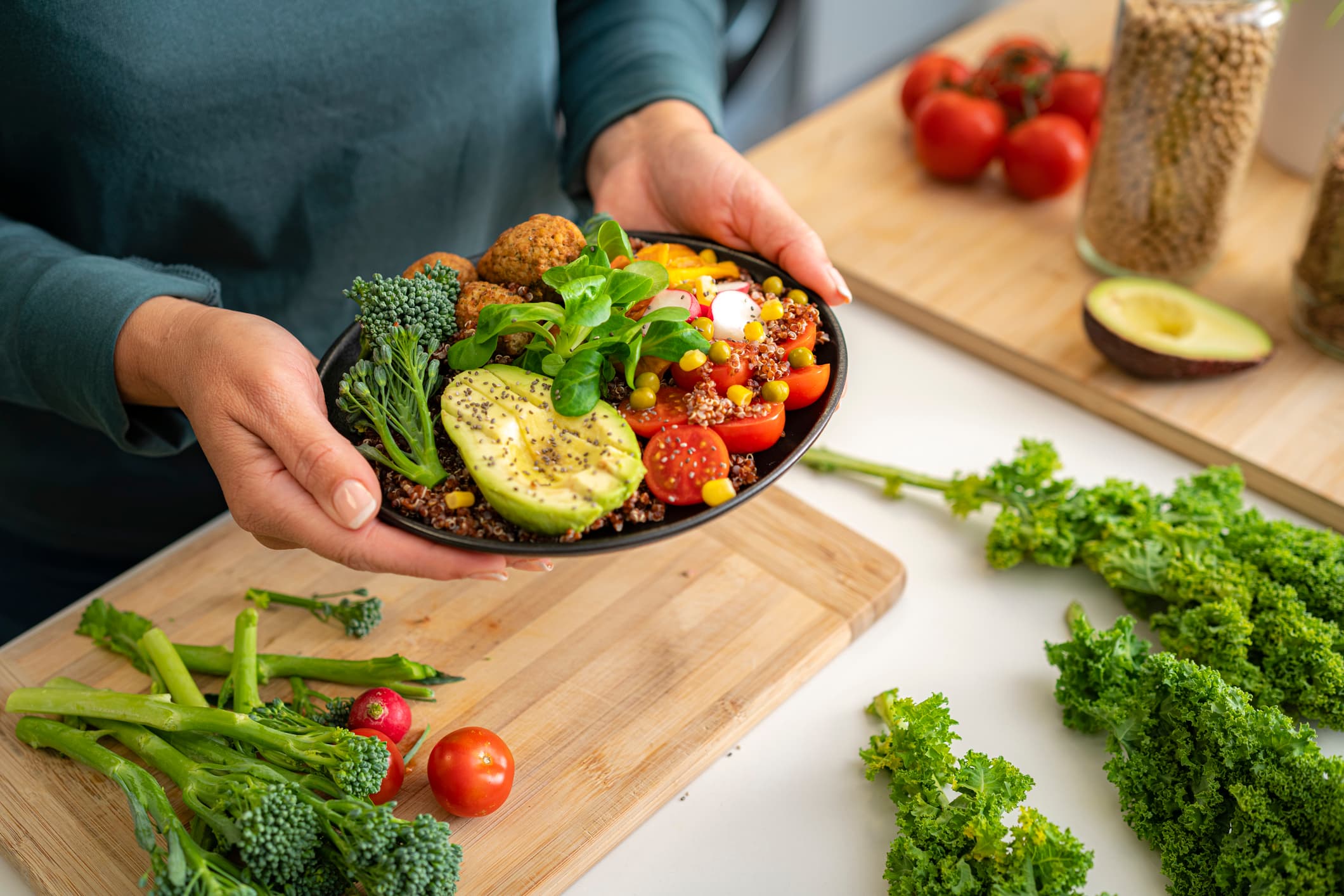
For many women, energy levels can feel unpredictable from one day to the next; some mornings you feel unstoppable, while others make even simple tasks feel exhausting. These shifts are closely linked to the hormonal changes that occur throughout the menstrual cycle. A cycle syncing diet and exercise approach supports women in aligning their movement and nutrition with these natural fluctuations, helping the body feel more balanced, supported, and in tune with its own rhythm.
Simply put, cycle syncing is about tailoring your meals, workouts, and self-care to the different phases of your menstrual cycle. Each phase comes with unique energy levels and nutrient needs, so aligning with them can improve performance, mood, and overall wellness. Dive into this blog to explore practical tips on cycle syncing workouts, discover what to eat, and learn how to work with your body rather than against it.
How cycle syncing workouts and diet support hormonal balance
Research into how the menstrual cycle influences a woman’s physiology suggests there are meaningful fluctuations in hormone levels, such as oestrogen and progesterone, throughout the cycle that can affect energy metabolism and exercise performance. For example, according to a recent study, hormonal changes across menstrual phases influence aerobic and strength performance, with aerobic capacity tending to be higher in the follicular phase compared with the luteal phase, and fluctuations potentially informing the planning of training sessions around these shifts to optimise outcomes without overtraining.
Meanwhile, studies on dietary energy intake across the cycle have shown that variations in endogenous sex hormones can affect nutritional requirements and substrate utilisation, indicating that aligning eating patterns with hormonal phases may help sustain energy availability and support metabolic processes. While direct clinical evidence specifically validating cycle syncing exercise and cycle syncing diet as methods that change hormone concentrations is limited and mixed, the physiological rationale is supported by research showing that hormonal status influences exercise metabolism and dietary energy needs, which in turn can help individuals tailor their routines to feel more balanced and resilient throughout their menstrual cycle.
Cycle syncing is about tailoring your meals, workouts, and self-care to the different phases of your menstrual cycle.
The four phases of the menstrual cycle
Understanding the four phases of the menstrual cycle is essential for adapting lifestyle habits to support energy levels and hormonal balance. By aligning movement and nutrition through a thoughtful cycle syncing diet and exercise approach, women can better support their bodies throughout the month.
- Menstrual phase
The menstrual phase begins on the first day of bleeding and is characterised by low levels of oestrogen and progesterone, often resulting in reduced energy. Exercise during this phase should be gentle and restorative, such as walking, stretching, light yoga, or mobility work, allowing the body to rest and recover. From a dietary perspective, warm and nourishing foods are ideal, including soups, stews, leafy greens, lentils, and iron-rich ingredients to support blood loss. Good Hydration and magnesium-rich foods can also help ease cramps and fatigue.
- Follicular phase
As menstruation ends, oestrogen levels start to rise, leading to improved focus, motivation, and physical capacity. This phase is well-suited to moderate-intensity workouts such as Pilates, light strength training, cycling, or dance-based exercise, particularly when learning new movement patterns. Nutrition should focus on fresh, lighter meals that support energy production, including lean proteins, whole grains, fermented foods, nuts and plenty of fruits and vegetables. This is an ideal time to experiment with a balanced cycle syncing meal plan that prioritises nutrient density and digestive support.
- Ovulatory phase
During ovulation, oestrogen peaks and testosterone increases slightly, often resulting in heightened confidence, strength, and endurance. High-intensity workouts such as HIIT, running, heavy resistance training, or group fitness classes are well-suited to this phase, as the body is typically at its strongest. Diet should focus on anti-inflammatory and antioxidant-rich foods, including berries, oily fish, healthy fats like nuts & oilseeds, and colourful vegetables, which help support recovery and hormonal balance during this high-energy window.
- Luteal phase
Following ovulation, progesterone rises, and energy levels gradually decline, particularly in the later stages of the phase. Exercise should shift towards lower-impact strength training, swimming, or steady-state cardio to reduce stress on the body. Nutritional needs also change, with an emphasis on complex carbohydrates, fibre, and magnesium-rich foods such as oats, sweet potatoes, nuts, and seeds to support mood and manage cravings. Warm, grounding meals can be particularly beneficial during this phase.
The menstrual phase begins on the first day of bleeding and is characterised by low levels of oestrogen and progesterone, often resulting in reduced energy.
Cycle syncing workout plan
A cycle-based approach to fitness encourages adjusting training intensity and style to match hormonal changes throughout the menstrual cycle. Cycle syncing workouts focus on gentler, restorative movement during menstruation, moderate strength and skill-based training in the follicular phase, higher-intensity sessions around ovulation, and lower-impact, steady exercise during the luteal phase. This adaptable structure helps support energy levels, reduce the risk of overtraining, and promote consistency by allowing the body to work within its natural rhythm rather than against it.
Cycle syncing diet
A nutrition plan that aligns with hormonal fluctuations can help stabilise energy, manage cravings, and support overall well-being. A thoughtful cycle syncing meal plan typically includes iron-rich and warming foods during menstruation, fresh and lighter meals in the follicular phase, anti-inflammatory foods around ovulation, and complex carbohydrates with magnesium-rich ingredients during the luteal phase. By adjusting food choices across the cycle, this approach supports hormonal balance while encouraging a more intuitive and sustainable relationship with eating.
Benefits of the cycle syncing diet and exercise
Adopting a cycle syncing diet and exercise approach allows women to work in harmony with their natural hormonal rhythms rather than following a one-size-fits-all routine. By adjusting nutrition and movement throughout the menstrual cycle, this method supports both physical performance and overall well-being.
Key benefits include:
- Improved energy management by matching activity levels with natural hormonal fluctuations.
- Enhanced workout performance and recovery, particularly when intensity is aligned with high-energy phases.
- Reduced premenstrual symptoms such as bloating, fatigue, and mood swings.
- Better appetite regulation and fewer cravings through phase-specific nutrition.
- Lower risk of burnout and overtraining by prioritising rest when the body needs it most.
- Greater consistency with exercise routines due to a more sustainable, flexible approach.
- Increased body awareness and a healthier relationship with food and movement.
Even women who simply want to optimise performance, recovery, and overall well-being can benefit by tailoring their routine to each phase of the menstrual cycle.
Who should try cycle syncing workouts and diet?
Cycle syncing workouts and diet can be especially beneficial for women who want to better understand their bodies and work with their natural hormonal rhythms. Those experiencing fluctuating energy levels, irregular periods, PMS symptoms, or difficulty maintaining consistent fitness results may find this approach particularly helpful.
Even women who simply want to optimise performance, recovery, and overall well-being can benefit by tailoring their routine to each phase of the menstrual cycle. By following a cycle syncing diet and exercise, you can make your workouts feel more effective, your meals more nourishing, and your monthly ups and downs a little easier to manage.
Final thoughts: Is cycle syncing effective?
In conclusion, cycle syncing offers a flexible approach to health that encourages women to listen to their bodies and pay attention to the natural hormonal changes. Rather than following rigid routines, adapting movement and nutrition across the menstrual cycle can support energy, mood, and long-term consistency. While it may not be necessary to follow every guideline perfectly, even small adjustments, such as modifying training intensity or food choices, can make a meaningful difference.
Frequently Asked Questions
1. What is cycle syncing?
Cycle syncing is a method of aligning your diet and exercise routine with the different phases of your menstrual cycle to optimise energy, hormone balance, and overall well-being.
2. How do I know which phase I’m in?
The menstrual cycle is typically divided into four phases: menstrual, follicular, ovulatory, and luteal. Tracking your period, basal body temperature, or using cycle apps can help identify each phase.
3. What foods are best during the menstrual phase?
During menstruation, focus on iron-rich foods like, dates, gardencress seeds with lemon juice, lean meats, and sprouted legumes, alongside anti-inflammatory options such as berries and nuts to combat fatigue and support energy levels.
Share Article