

 Medically Reviewed
Female Reproductive Health
Can Endometriosis Cause Weight Gain?
Jun 2, 2026
•4 min read
Share Article

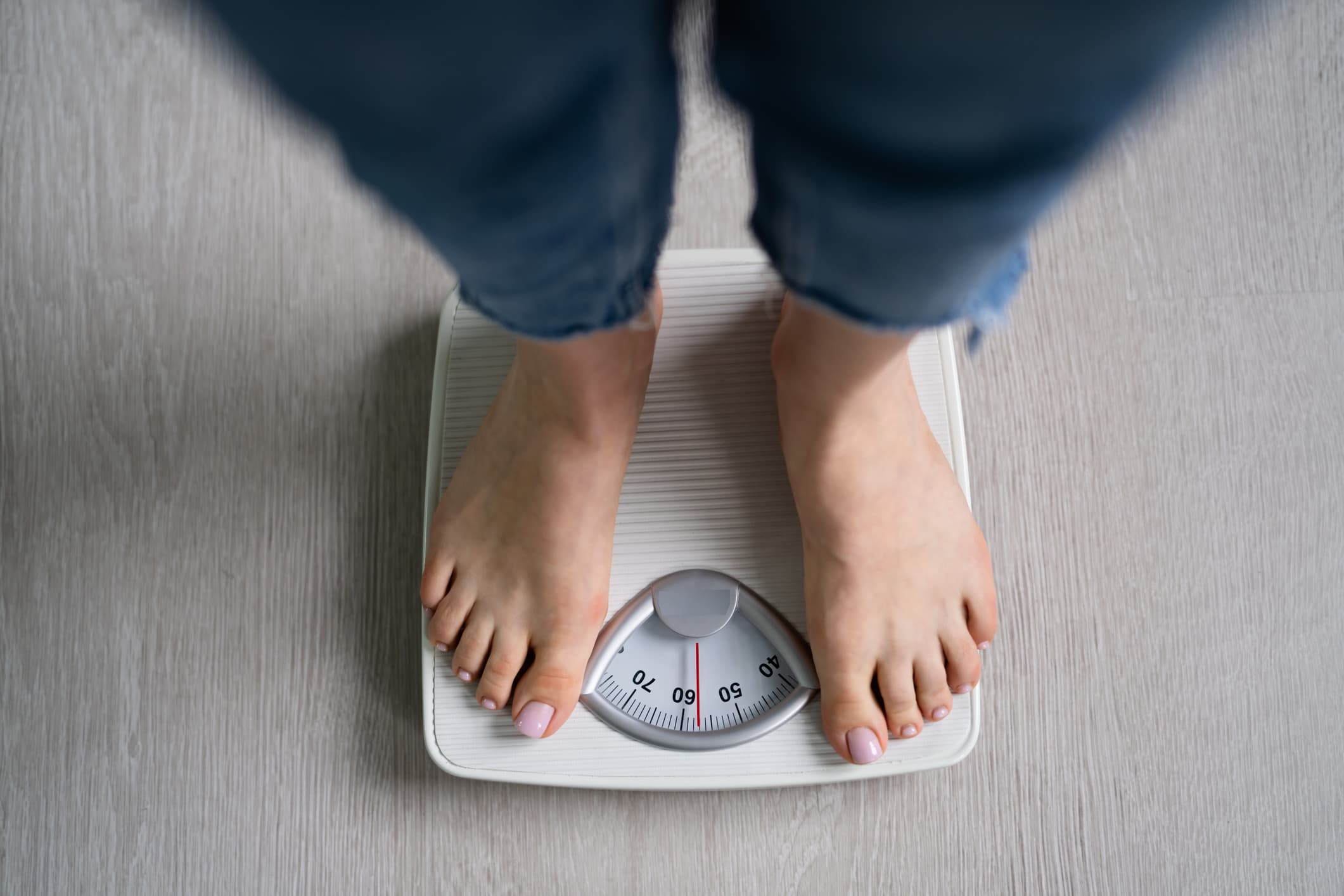
With multiple factors weighing in on one's weight gain, it's difficult to consider endometriosis as the primary reason. However, endometriosis does impact body weight. One week, all seems well, the next, there is bloating, tight clothes, and this uncomfortable feeling of what just happened.
That is why such questions as "Does endometriosis cause weight gain?" and "Can endometriosis cause weight gain?" appear so frequently. And the truth? It is not necessarily the direct one, but it is closely related. The changes in hormones, inflammation, digestion, and even energy levels caused by endometriosis can affect the body's perception of weight.
Imagine it is not like sudden weight gain, but more like a group of changes that occur simultaneously. The weight gain associated with endometriosis can help clarify the confusing symptoms, and that is a good beginning. Dive into this blog to learn more about the relationship between weight gain and endometriosis.
Does endometriosis cause weight gain?
It is important to note that the relationship between endometriosis and BMI is actually inverse, meaning people with lower body weight are more likely to have endometriosis. Weight gain is not a hallmark symptom of the condition itself, though bloating, fluid retention, and medication side effects can create the feeling of weight changes. So, the answer to "Does endometriosis cause weight gain?" is not entirely straightforward. Endometriosis does not directly cause fat gain, but it can create conditions where weight changes may happen more easily.
Chronic inflammation linked to endometriosis may affect metabolism and energy use over time. Pain, fatigue, and body aches can also reduce physical activity, indirectly influencing weight. Hormonal fluctuations may further affect appetite, fluid retention, and fat storage, making weight feel more unpredictable.
The changes in hormones, inflammation, digestion, and even energy levels caused by endometriosis can affect the body's perception of weight.
How can endometriosis cause weight gain?
Understanding how endometriosis-related weight changes happen can help reduce frustration and make symptoms easier to manage. The condition can affect hormones, digestion, and fluid balance, all of which may change how the body feels and appears.
Bloating
One of the most common reasons people feel they are gaining weight with endometriosis is bloating, often called "endo belly." This is usually not actual fat gain, but a combination of inflammation, fluid retention, and digestive disruption. Chronic inflammation in the pelvic area can affect the bowel and abdominal lining, leading to swelling, excess gas, and a heavy, uncomfortable feeling.
Hormonal fluctuations during the menstrual cycle can make bloating worse, especially before or during periods. Endometriosis may also slow digestion, causing constipation or irregular bowel movements that add to the feeling of fullness. In some people, certain foods like dairy, gluten, or high-FODMAP foods may further trigger bloating and inflammation. Because the swelling can come and go throughout the day, it is often mistaken for weight gain.
Oestrogen
Oestrogen also plays a major role in endometriosis and may contribute to weight changes. Since endometriosis is an oestrogen-sensitive condition, higher oestrogen levels can encourage the growth of endometrial-like tissue outside the uterus while also influencing fat storage and metabolism.
Hormonal imbalance, sometimes referred to as oestrogen dominance, may promote fat accumulation around the hips, thighs, and abdomen. Oestrogen can also cause fluid retention, making the body feel puffy or swollen. In addition, hormone-related fatigue and low energy levels may make regular movement more difficult, indirectly contributing to gradual weight changes over time.
Endometriosis can bring about a lot of bloating, which is also known as endo belly.
How to lose weight due to endometriosis?
There is no strict diet for losing or controlling weight with endometriosis. Instead, the focus should be on supporting the body in a sustainable way by reducing inflammation, improving energy levels, and maintaining balance.
Gentle movement, such as walking, yoga, or stretching, may help improve circulation, reduce inflammation, and support overall wellbeing. Nutrition also plays an important role. Eating balanced, whole-food meals and limiting highly processed foods can help stabilise energy levels and support metabolism, making weight management feel more realistic and sustainable.
Stress management matters too. Stress can affect hormones and intensify symptoms, so building routines that include rest and recovery may help the body feel more balanced over time.
Consuming whole, balanced meals and minimising processed food can stabilise energy and support metabolism.
Frequently asked questions
1. Does endometriosis always cause weight gain?
No, endometriosis is not necessarily associated with weight gain. Nevertheless, inflammation, hormonal fluctuations, and bloating can cause temporary or progressive weight changes in individuals with endometriosis.
2. Is bloating the same as weight gain in endometriosis?
No, bloating and weight gain are not the same. It is typically brought about by fluid retention and inflammation, and as a result, the abdomen becomes swollen without an increase in body fat.
3. Can hormonal changes affect weight in endometriosis?
Yes, hormonal changes, particularly oestrogen, can affect metabolism, appetite, and fluid retention, contributing to changes in body weight and the experience of changes over time.
4. How to manage weight with endometriosis?
Weight management involves eating healthy food, engaging in light exercise, and managing stress. These lifestyle habits contribute to general health and also assist in decreasing the effect of endometriosis on weight changes.
Share Article


