

 Medically Reviewed
Female Reproductive Health
Endometriosis Self-Care Guide: 8 Lifestyle Tips To Follow
Jun 2, 2026
•5 min read
Share Article

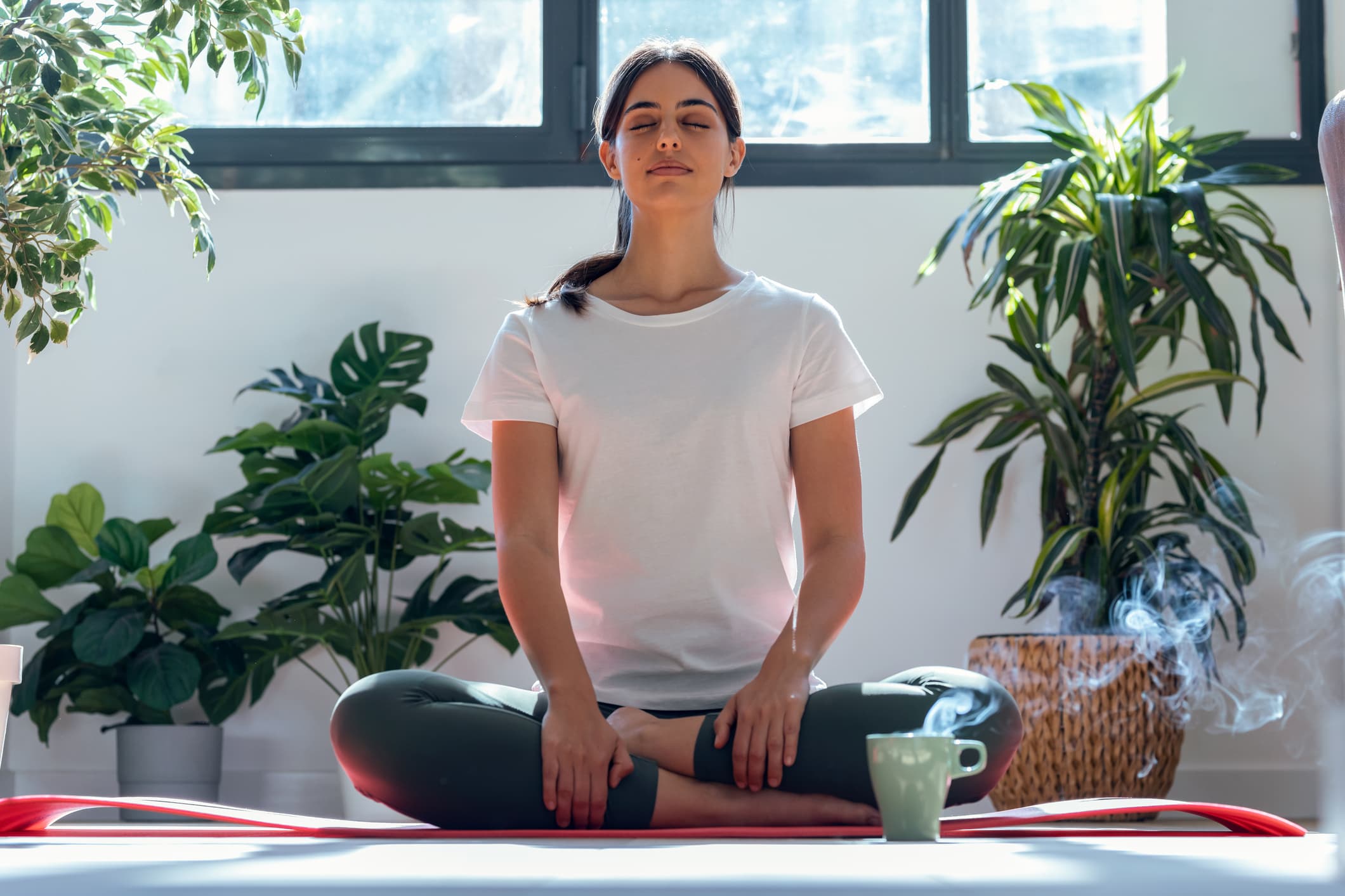
Living with endometriosis can feel unpredictable. Some days are manageable, while on others, even simple tasks can feel exhausting. Beyond pain, it can also affect energy levels, mood, and daily functioning.
In this blog, we explore small, practical lifestyle changes and self-care habits that may help make day-to-day life easier. The goal is not a complete overnight transformation, but simple routines that support your body more consistently.
Fibre and antioxidant-rich vegetables may assist in reducing the inflammation often associated with endometriosis discomfort.
1. Workout
Regular movement can play an important role in endometriosis self-care, but that does not mean intense workouts are necessary. Gentle activities such as walking, stretching, or yoga can help improve blood flow, reduce muscle stiffness, and ease discomfort. Exercise also triggers the release of feel-good chemicals in the body, which may help improve mood and reduce the perception of pain.
When it comes to managing endometriosis, consistency matters more than intensity. Even short periods of gentle movement can support long-term pain relief, reduce fatigue, and help make daily activities feel more manageable.
2. Eat more veggies
Diet can play an important role in managing endometriosis symptoms and supporting overall well-being. Vegetables rich in fibre may also help reduce inflammation, which is often linked to endometriosis-related discomfort. An anti-inflammatory eating pattern is one of the most commonly recommended approaches for endometriosis. This typically includes vegetables, fruits, whole grains, legumes, nuts, seeds, and oily fish rich in omega-3 fatty acids, which may help reduce inflammation.
Over time, small and consistent dietary changes can contribute to better symptom management and overall comfort.
3. Reduce alcohol
Alcohol may affect inflammation and hormonal balance, both of which can influence endometriosis symptoms in some women. Reducing alcohol intake may help the body maintain a more stable internal balance and support overall well-being.
Limiting alcohol can also contribute to better sleep, improved energy levels, and, for some people, reduced discomfort. Even small changes, such as cutting down on frequency or quantity, may make a difference over time. The goal is not strict restriction, but creating habits that support long-term endometriosis self-care and symptom management.
4. Use a hot water bottle
Heat therapy is one of the simplest and most effective ways to manage endometriosis-related discomfort. Using a heating pad or hot water bottle can help relax muscles, improve blood circulation, and ease tension in the pelvic area.
Many people find heat especially helpful during flare-ups, as it can provide quick and soothing relief without much effort. It is also easy to incorporate into daily routines, whether while resting, working, or relaxing at home.
As part of endometriosis self-care, heat therapy may help reduce muscle tightness and make pain feel less intense and more manageable.
5. Manage stress
Stress can influence how intensely the body experiences pain. When stress levels are high, discomfort may feel more severe and harder to manage. This is why stress management is often considered an important part of endometriosis care.
Simple practices such as deep breathing, mindfulness, gentle movement, or taking time to rest can help calm the nervous system and support both physical and emotional well-being. Over time, managing stress more effectively may help improve overall comfort and contribute to better endometriosis pain relief and quality of life.
6. Get a soothing massage
Massage may help ease muscle tension, improve blood circulation, and promote relaxation, all of which can support pain management in endometriosis. Many people also find it helpful for reducing stiffness and improving overall comfort.
As part of a broader endometriosis self-care routine, regular massage can help the body feel more relaxed, balanced, and physically at ease.
7. Find a hobby you love
Hobbies are not merely a matter of time-killing; they are significant for mental health. Stress can be minimised through activities that make one happy and cheerful.
This emotional balance is useful in endometriosis treatment, where mental health is strongly connected with the experience of pain. Hobbies are also a healthy distraction from discomfort.
8. Surround yourself with positive people
The support systems are as significant as they are usually underestimated. Having good people around can make life more positive and help you become emotionally better.
This plays a significant role in endometriosis self-care because when supported emotionally, coping with the symptoms is not so overwhelming. It also contributes to the creation of resilience and feeling comfortable.
How to live a normal life with endometriosis?
Living with endometriosis is not always about completely eliminating symptoms, but about learning how to manage them in a way that supports daily life. Building routines around self-care, balanced habits, movement, rest, and emotional support can make day-to-day living feel more manageable.
It is also important to listen to your body and adapt accordingly — resting when energy is low and staying active when you feel able. Over time, these small but consistent habits can support better pain management and improve overall quality of life.
Research increasingly shows that lifestyle changes can play a meaningful role in managing chronic conditions, highlighting the importance of long-term, sustainable endometriosis care.
Reduced tension in the muscles and enhancement of blood circulation are some of the benefits of massage in treating pain.
Frequently Asked Questions:
1. How to beat endometriosis naturally?
Endometriosis cannot be completely treated without medication; however, lifestyle modifications such as proper dieting, regular exercise, and stress management can aid in endometriosis treatment and enhance overall health in the long run.
2. How to reduce the pain of endometriosis?
Reducing pain can be achieved by means of heat, gentle exercise, and relaxation. These therapies aid in relieving the pain in endometriosis by enhancing blood flow and easing tension in muscles.
3. What is the best way to manage endometriosis?
Regular self-care, balanced lifestyle habits, stress management, and emotional support are often among the most effective ways to manage endometriosis over time. Together, these approaches can help reduce discomfort and improve overall quality of life.
4. Does drinking water help endometriosis?
Staying hydrated supports overall health and may help reduce bloating and discomfort for some people with endometriosis. While drinking water is not a direct treatment, good hydration plays an important role in supporting normal body functions and overall symptom management.
Share Article


