

 Medically Reviewed
Parenthood
Home Remedies for Cough for Kids: Safe, Natural Relief for Dry and Severe Cough
Mar 5, 2026
•7 min read
Share Article

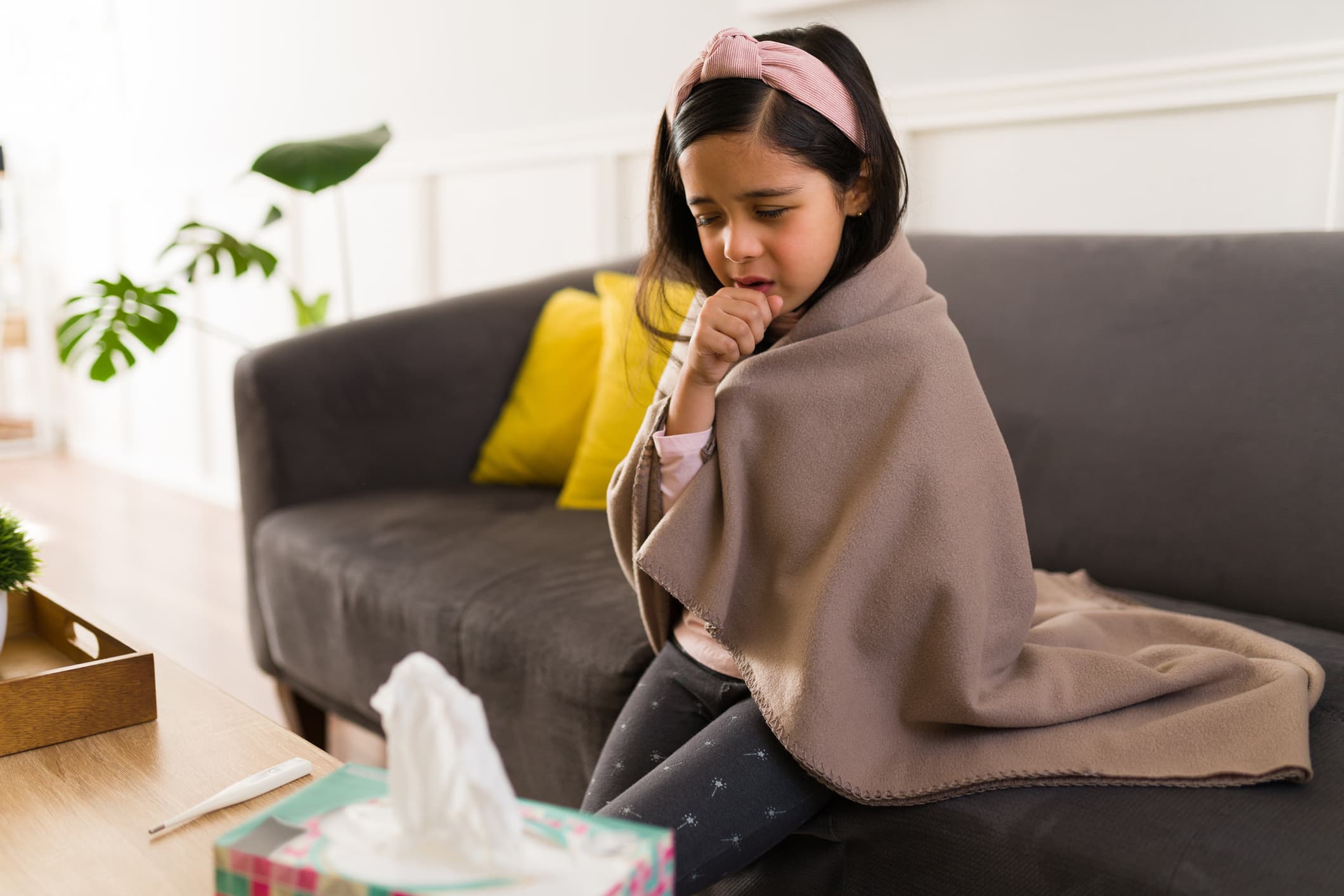
A lingering cough in children can be worrying for parents. It often leads to concern, second-guessing, and a flurry of anxious thoughts. The reassuring truth is that most coughs in children are quite normal, short-term, and simply part of growing up. A child’s immune system is still learning, which means coughs tend to appear more often than they do in adults.
With that in mind, this blog looks at homemade cough remedies for children in a way that’s simple and reassuring rather than overwhelming. The focus is on comfort, safety, and practical steps parents can confidently try at home.
Understanding cough in kids
Coughing is actually the body’s natural way of keeping the airways clear. When something irritates the throat or lungs, a cough helps to get rid of it. In children, this reflex can seem stronger because their airways are smaller and more sensitive. Even mild irritation can lead to frequent coughing, which often worries adults more than it bothers the child.
Coughing at night is also quite common. When a child lies down, mucus can collect at the back of the throat, making them cough more. Dry indoor air, especially during colder months, can dry out the airways and trigger coughing, too. Understanding these reasons can help parents feel calmer and more confident when using cough remedies for their children, rather than reacting out of fear.
Coughing is actually the body’s natural way of keeping the airways clear.
Common causes of cough in children
Coughing in children is extremely common and, in most cases, harmless. The prevalent causes of cough among children are:
- Viral infections:
These cause coughs most commonly among children and usually include the throat and the upper airways. Even after the symptoms are cured, the cough can persist. Post-viral cough can persist upto 2-3 weeks as per recent trends and does not need any significant intervention. - Weather change:
Temperature changes, particularly cold air, can irritate the airways of the child, causing coughing. - Allergens:
Sensitive airways can be affected by dust, pollen, mould, incense sticks, mosquito coils or pet hair, leading to frequent coughing. - Post-nasal drip:
Mucus that drips down the throat can cause the development of coughing, particularly when a person is lying down at night. - Exercise:
Running or active play can cause a cough in children with sensitive airways in a temporary way. - Emotional influences:
Emotional conditions and stress can cause short-term coughing as a result of the quick breathing variations.
A typical throat-clearing type of cough might be seen especially in adolescents known as habit cough.
Home remedies for cough for kids
When a child has a cough, gentle care at home often helps ease discomfort and support natural recovery. Usual home treatments of cough in children include:
- Warm fluids:
Warm drinks are effective in countering irritation of the throat and also keep the throat hydrated, which could alleviate coughing pain. - Indoor air comfort:
Make sure the indoor environment is clean and well-ventilated. Good airflow helps reduce indoor irritants such as dust and dry air, which can trigger coughing. Using a HEPA air filter is a good idea to keep the AQI inside the home safe. - Steam exposure:
Steam exposure under supervision may be effective in treating airway dryness and providing momentary relief. - Reassurance:
Stress and crying may only aggravate coughing, so a relaxing atmosphere and soft reassurance are essential for the child. - Warm clothes:
Making sure the child is warm enough will avoid the coughing caused by exposure to cold air. - Hygienic environment:
Minimising dust and pungent perfumes will help with easier breathing and general well-being.
Sensitive airways can be affected by dust, pollen, mould or pet hair, leading to frequent coughing.
Home remedies for dry cough for kids
A scratching cough can be extremely uncomfortable to children, which is usually more pronounced at night or in dry conditions. Common home remedies for dry cough for kids include:
- Exposure to steam:
Moisture can be introduced into the airways by supervised exposure to warm steam, which can relieve irritation. - Proper humidity in the house:
Humidity in the air in the home should also be regulated to avoid airway drying, particularly in colder seasons. - Frequent water intake:
A large number of small sips of water during the day keeps the throat hydrated and non-scratchy. - Upright sleeping position:
Nighttime coughing and irritation of the throat can be alleviated by slightly elevating the head of the child when they are resting. - Avoiding dry and cold air:
Exposure to overheated or air-conditioned areas should be avoided because it is another cause of coughing due to dry air. - Light, calming foods:
Soft and warm foods may be less painful to swallow and cause less irritation to an already tender throat. - Plenty of fluids:
Consistently taking fluids relaxes the throat, loosens irritation, and is used to prevent dehydration with sickness. - Routine activities:
Routine activities promote reassurance and make children feel safe, and allow healing.
Good airflow helps reduce indoor irritants such as dust and dry air, which can trigger coughing.
Home remedies for cold and cough for kids
Children with a severe cough can sound alarming, even when they are otherwise healthy. While consulting the doctor should be your go-to option, helpful home remedies for cold and cough for kids can also be tried.
- Making the child relaxed:
Coughing may be aggravated by anxiety, crying or distress, and therefore reassurance and comfort are necessary. - Enough hydration:
Drinking fluid frequently is important to calm the throat down and minimise irritation, which increases coughing. - Upright standing:
The child should be slightly elevated on his back to prevent irritation of the throat and coughing at night. - Prevention of irritants:
Smoke, strong smells, and polluted air may worsen airways and make coughing more severe. - Suitable indoor climate:
Clean air and proper room ventilation help to breathe more easily. - Faith reassurance: Being near and comforting is beneficial in alleviating a cough due to stress.
Natural ingredients that help relieve cough in kids
Certain natural ingredients can soothe a child’s cough safely at home. Honey can help coat the throat and reduce irritation, while ginger and warm fluids may ease congestion. Simple, gentle remedies like these can provide comfort and support a child’s recovery. However honey is recommended below 1 year of age.
Age-wise home remedies for cough in children
Cough remedies at home should be adapted according to a child’s age, as their needs and tolerance levels differ:
- Babies (under 1 year):
Keep them upright as much as possible to ease breathing, offer small amounts of fluids frequently, and ensure the room has gentle humidity to soothe their airways. Avoid giving honey at this age. - Toddlers (1–3 years):
Offer small, infrequent sips of water or warm drinks, maintain regular naps to help their bodies rest, and use gentle steam from a humidifier or warm bath to relieve congestion. - Preschoolers and older children (3+ years):
Warm fluids like mild teas or broths can soothe the throat, while quiet indoor activities or calm games help them rest without overexertion. Honey (for children over 1 year) or a little lemon in warm water can also provide relief.
What to avoid when treating a cough at home
When managing a child’s cough at home, certain actions can unintentionally make symptoms worse. Coughing may cause more pain when a child is forced to eat or drink. Air conditioning, strong scents, or smoke should be avoided, as they are harmful to sensitive airways and remedies against cough in children.
The nighttime coughing can be aggravated by overheated rooms or excessively dry air. Mixing too many remedies at once may overwhelm the child and make it harder to notice what is helping.
When home remedies are used in treating cough in children, gentle and consistent treatment is always more effective than aggressive treatment.
Signs that home remedies are not enough
Home remedies for severe cough in kids are mostly comforting to administer, although there are some indications that they are incomplete. Coughs in excess of three weeks in duration, which become more severe and disturb sleep patterns, may require additional examination.
Difficult breathing, lack of energy or low appetite, fast breathing, and bluish discolouration of body parts, especially lips, are also red flags. Should home remedies for dry cough in kids or home remedies for cold cough in kids fail to help bring gradual improvement, some extra assistance might be needed.
It is a long-term, regular, and behavioural change that is monitored to assist parents in identifying when the home care becomes ineffective.
When to consult a paediatrician
A paediatrician should be consulted in case the home remedies used to treat cough in children do not address the symptoms or when the cough disrupts normal activity. Coughing at night, with increasing severity, or an indication of difficulty in breathing is a reason to seek professional consultation.
Premature consultation excludes complications and is reassuring. Parental instincts should be trusted, particularly in cases where home treatments of a serious cough in children fail to give the anticipated remedy.
Conclusion: Treat cough with care
Coughs in children are usually a normal part of growing up, but they should always be handled with attention and care. Observing your child, keeping them comfortable, and using gentle, natural remedies can make a big difference in easing their symptoms. While most coughs are harmless, being mindful and responsive helps ensure your child stays safe, comfortable, and supported as their body recovers.
Frequently Asked Questions
1. Are home remedies safe for children?
Home remedies can be safe provided that they are gentle and age-appropriate. They put emphasis on comfort and hydration, which promotes recovery in a natural way, as the parents can keep track of the symptoms.
2. What is the duration of a cough in children?
The majority of coughs heal in one to two weeks. In case of continued symptoms or the aggravation of the symptoms, it is advised that professional assistance will correct any evaluation and provide reassurance.
3. Is there a change in environment that can be used to alleviate coughing?
Yes, coughing and irritation amongst children can be greatly minimised by clean air, good ventilation, and comfortable humidity.
Share Article