
 Medically Reviewed
Hormonal Health
Reverse NAFLD: How To Manage And Improve Fatty Liver
Jun 15, 2026
•6 min read
Share Article


Let's be honest, hearing the words "fatty liver" can feel worrying, but it is not necessarily a life sentence. In many cases, it acts more like a warning sign from the body, indicating that changes may be needed before the condition progresses further.
The encouraging part is that the liver is a remarkably resilient organ. When given the right conditions, it has the ability to repair and improve over time. That is why understanding how to reverse NAFLD, and whether NAFLD can be reversed, is not just important; it is genuinely empowering.
In this blog, we'll explore what actually helps improve fatty liver and what doesn't, without overwhelming you with unrealistic expectations or drastic lifestyle demands. Instead, you'll find practical, sustainable steps that can be gradually incorporated into everyday life to support better liver health.
Since 2023, the preferred medical term for Non-Alcoholic Fatty Liver Disease (NAFLD) has been Metabolic Dysfunction-Associated Steatotic Liver Disease (MASLD). The new name better reflects the condition's underlying metabolic causes, but the disease itself remains the same.
What is NAFLD, and is it reversible?
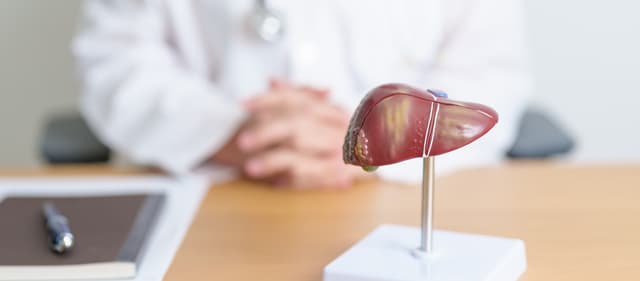
In patients who do not drink or drink very little alcohol, NAFLD is caused by the overgrowth of fat in the liver cells. Although some fat is normal, the accumulation of fat may cause a problem in the functioning of the liver when it becomes too large.
The point to note is that NAFLD is highly associated with metabolic health. It may commonly co-exist with other diseases such as obesity, insulin resistance, and elevated blood sugar levels.
But the good news is that NAFLD is usually reversible, particularly at the beginning. The liver can be healed when the amount of fat is mild, and the inflammation has not developed to a serious stage.
NAFLD is closely linked to metabolic health and often occurs alongside conditions like obesity, insulin resistance, and high blood sugar levels.
Is NAFLD reversible? What science says
So, is NAFLD reversible? Science says yes, but there is a caveat — consistency. Studies indicate that a weight reduction of approximately 5–10% can greatly decrease liver fat and inflammation. In other words, even the slightest changes in weight and diet can begin to bear fruit.
The liver is special since it has the ability to repair damaged cells and regenerate tissue. Nevertheless, this is possible depending on the severity of the condition. When NAFLD develops into advanced stages with extensive scarring, reversing it becomes a harder task. At that stage, more emphasis is put on avoiding additional damage.
How to reverse NAFLD: Key strategies
As far as the question of reversing NAFLD is concerned, there is no magic answer — it is a matter of integrating several options. Key approaches include making the overall diet of higher quality, staying physically active, reducing sugar intake, managing body weight, and supporting metabolic health.
These plans combine to minimise fat build-up in the liver. Exercise helps to burn stored fat, and a change in diet allows the body to avoid additional accumulation. Consistency is crucial. The occasional change to healthy options will not make a lasting difference, but daily habits will. The fact that diet and physical activity together are more effective than either alone is scientifically proven.
A balanced diet helps regulate how the body processes fats and sugars, which directly influences liver fat levels.
Diet plan to reverse NAFLD
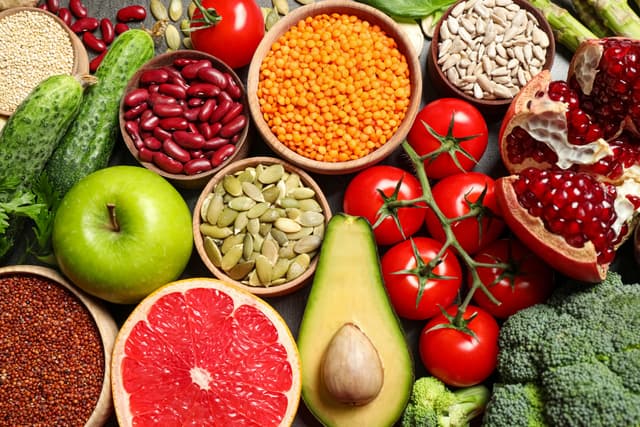
One of the most effective ways to improve liver health is through diet. A balanced diet helps regulate how the body processes fats and sugars, which directly influences liver fat levels. High-fibre foods also slow the absorption of sugar, helping to prevent excess fat accumulation in the liver.
A proper diet plan includes whole grains for sustained energy, vegetables for fibre and essential nutrients, fruits rich in natural antioxidants, lean proteins to support muscle and overall health, and healthy fats to promote metabolic balance. Simultaneously, it is imperative to minimise refined sugars and processed foods, which are directly linked to fat build-up. Research indicates that liver fat can be greatly lowered only through dietary modifications within a matter of months.
Foods to eat and avoid for fatty liver
Making the right food choices plays a major role in managing and improving fatty liver. For fruits, opt for berries, apples, and citrus fruits, which are rich in fibre and antioxidants, while avoiding fruit juices with added sugar or packaged sweetened options. For vegetables, leafy greens, broccoli, and carrots are excellent choices, whereas deep-fried or heavily processed vegetable dishes should be limited.
When it comes to grains, whole grains like oats, brown rice, and whole wheat are beneficial, while refined grains like white bread, pastries, and processed cereals should be avoided. For protein, lean sources, legumes, nuts, and seeds are recommended over processed meats and high-fat protein sources. Healthy fats from nuts, seeds, and plant-based oils are preferable, while trans fats and deep-fried foods should be kept to a minimum.
Role of exercise in reversing NAFLD
Exercise plays a crucial role in improving liver health and supporting the reversal of NAFLD. It helps the body use stored fat for energy, reducing fat accumulation in the liver, and improves insulin sensitivity, allowing better regulation of blood sugar levels. Both strength training and aerobic activities, such as walking or cycling, are beneficial. Even moderate exercise done consistently can lead to noticeable improvements. Regular physical activity is strongly recommended as a key part of NAFLD management by health experts.
Weight loss and improvement of NAFLD
One of the most efficient methods of reversing NAFLD is weight loss. A small loss of body weight can go a long way in reducing liver fat. It is significant to lose weight gradually, as rapid weight loss might not last long and can even be harmful to the body.
Emphasis should be placed on long-term weight management, and not rapid weight loss. It is also important to maintain weight loss once achieved, because once it is regained, then progress may be undone.
Regular physical activity is strongly recommended as a key part of NAFLD management by health experts.
Lifestyle changes to cure NAFLD
The time scale of reversing NAFLD depends on personal factors. People might experience improvements in several months, whereas others may progress more slowly, based on the extent of the condition and the regularity of lifestyle modifications. The early stages are more responsive, and the late stages need a long-term approach. A series of consistent actions performed over a few months can result in quantifiable progress in liver health.
When to consult a doctor
There is a need to consult a doctor when symptoms continue or deteriorate. Seek medical advice if you experience persistent fatigue, ongoing abdominal discomfort, unexplained weight changes, or symptoms of a deteriorating liver condition. An early consultation contributes to effective assessment and treatment, avoiding complications.
Yes, NAFLD reversal is possible
Yes, NAFLD reversal is possible. However, it is not about achieving perfection — it is about moving in the right direction. Small, consistent lifestyle changes can lead to meaningful improvements over time.
The idea that NAFLD can be reversed is not just hopeful, but also supported by research. Understanding how to reverse NAFLD comes down to building sustainable habits that your body can adapt to and maintain. No extremes, no quick fixes, just steady, gradual progress. And in the long run, that is the kind of change that truly lasts.
Frequently Asked Questions
1. Can I reverse non-alcoholic fatty liver?
Yes, non-alcoholic fatty liver disease (NAFLD) can often be reversed in its early stages through lifestyle changes such as a healthy diet, regular physical activity, and weight management. These help reduce liver fat and improve overall liver function.
3. How to naturally cure non-alcoholic fatty liver?
NAFLD is managed naturally through balanced nutrition, regular exercise, maintaining a healthy weight, and reducing sugar intake. These long-term habits support the gradual reduction of liver fat and improved metabolic health.
3. How to detox a non-alcoholic fatty liver?
The liver naturally detoxifies itself. Instead of external detox methods, supporting liver health through hydration, a balanced diet, and healthy lifestyle habits is more effective.
4. What reverses non-alcoholic fatty liver?
Sustained lifestyle changes such as weight loss, improved diet, and regular exercise are the most effective ways to reduce liver fat and improve liver health over time.
5. Can your liver repair itself from non-alcoholic fatty liver disease?
Yes, the liver has a strong ability to repair itself, especially in the early stages of NAFLD, when harmful factors are reduced and healthy lifestyle habits are consistently maintained.
Share Article