
 Medically Reviewed
Stomach & Gut Health
How Do You Take Isabgol for Constipation? Amount, Timing and Precautions
Jun 15, 2026
•1 min read
Share Article

To take isabgol (psyllium husk) for constipation, stir 1–2 teaspoons into a full glass of water, milk or buttermilk, drink it straight away and follow it with another glass of water. Isabgol usually works within 12–72 hours. Start with a small amount, and check with a doctor first if you take other medicines.
Key takeaways
- Isabgol is a soluble fibre from the seed husk of the Plantago ovata plant that absorbs water and forms a gel, which may soften stool and make it easier to pass.
- A typical adult amount of isabgol is 1–2 teaspoons (about 5–10 g) once or twice a day in a full glass of liquid, and it usually takes 12–72 hours to work.
- Never take isabgol dry or with too little fluid, keep it at least 2 hours apart from other medicines, and ask a doctor before giving it to children or using it in pregnancy.
What is isabgol?
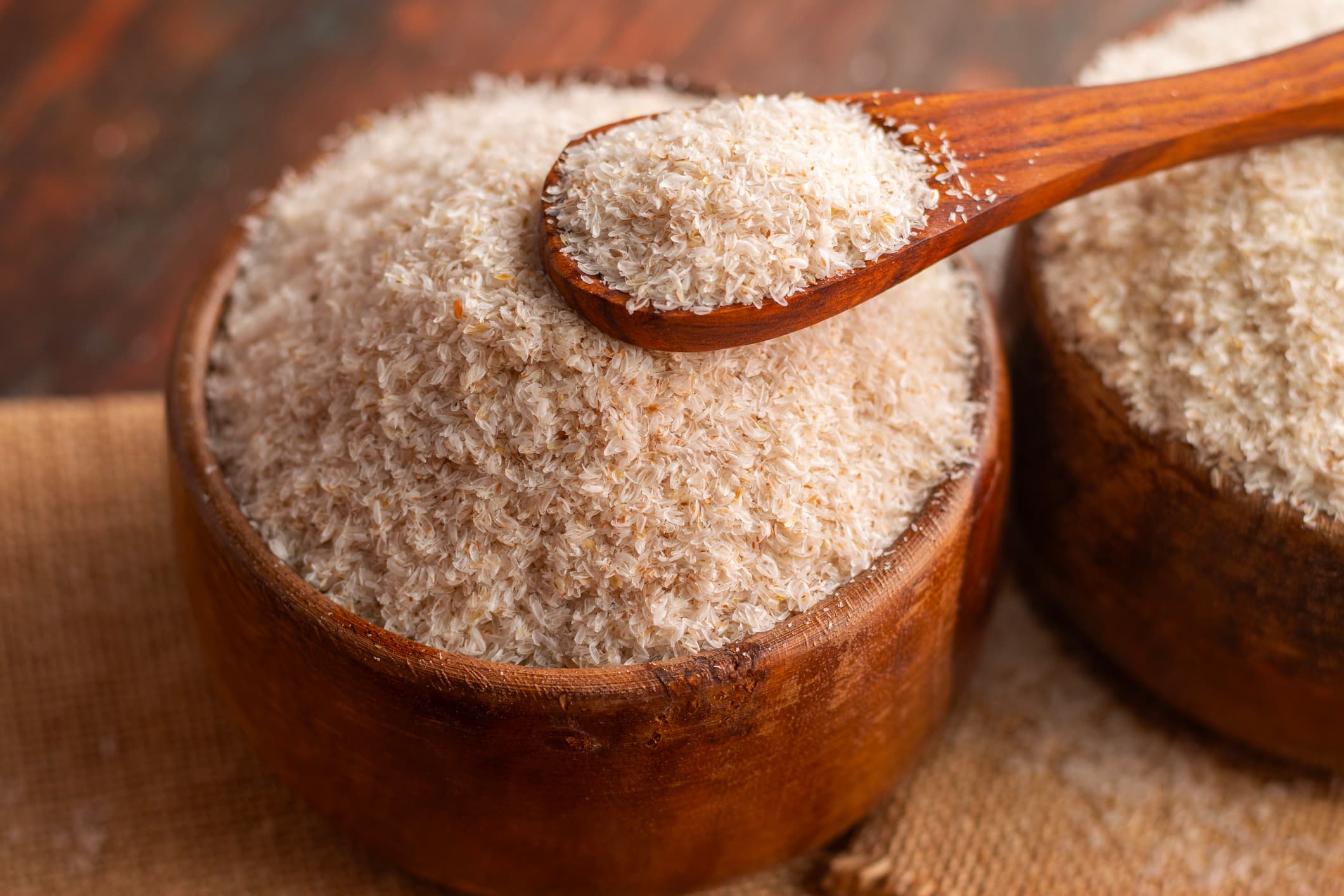
Isabgol, also called psyllium husk, is a soluble fibre made from the outer husk of the seeds of the Plantago ovata plant. Isabgol has been used for generations in India for digestive health, and India is one of the main places where it is grown and produced. When isabgol is mixed with water, it absorbs the liquid and swells into a soft, gel-like substance. This gel is what makes isabgol useful for constipation: it adds bulk and moisture to stool, which may ease hard stools and make them easier to pass. Because isabgol works by adding bulk rather than by forcing the bowel to contract, it is described as a bulk-forming fibre. Isabgol is sold as a loose husk or a powder, and some products add flavour or sugar, so it’s worth checking the label before buying. Isabgol is not an instant remedy, and it works best alongside enough fluids, a fibre-rich diet and regular activity.
How does isabgol help with constipation?
Isabgol may help with constipation by absorbing water in the intestine and forming a soft, bulky mass that stretches the bowel wall and encourages the natural movement that pushes stool along. The extra water held in the gel keeps stool softer, so it is easier to pass without straining. Unlike stimulant products, which make the bowel contract, isabgol supports the body’s normal digestive process. Research supports fibre supplements for long-term constipation: a 2022 review of 16 randomised controlled trials involving 1,251 adults found that fibre supplementation improved constipation, with psyllium among the most effective forms, especially when taken for at least four weeks. The researchers noted that results varied between studies, so isabgol may help some people more than others. As a source of soluble fibre, isabgol may also support digestion more broadly, but it works best as one part of a routine that includes fibre-rich meals, fluids and movement.
How do you take isabgol with water, step by step?
Here's how to take isabgol for constipation with water, step by step:
- Pour the liquid first: Fill a full glass with room-temperature or warm water.
- Add the isabgol: Use the amount on the pack or what your doctor advises, starting at the lower end for the first few days.
- Stir and drink straight away: Isabgol starts to gel within moments, and a thick mixture is harder to swallow safely.
- Follow with a second glass of water: Extra fluid helps the fibre move through and lowers the risk of choking or clumping.
- Never take it dry: Don't swallow isabgol dry or sprinkle it on food without plenty of liquid alongside.
If the glass has already turned into a thick gel, make a fresh one rather than forcing it down.
Can you take isabgol with milk or buttermilk?
Yes, isabgol can be taken with milk or buttermilk instead of water, as long as you use a full glass of liquid and drink it immediately. Some people prefer 1–2 teaspoons of isabgol stirred into a glass of warm milk at night, and the warm drink may feel soothing before bed. In many Indian homes, isabgol is mixed into a glass of fresh buttermilk (chaas), which makes a refreshing option in warmer months, and buttermilk itself is traditionally used to aid digestion. Whichever liquid you choose, stir quickly and drink right away, because the mixture thickens fast in milk and buttermilk too. It still helps to drink an extra glass of water afterwards, since isabgol needs plenty of fluid to work well and to be safe. People who find milk heavy at night, or who are watching their fat intake, may prefer water or thin buttermilk. Avoid mixing isabgol into very little liquid to make it easier to drink, as that raises the risk of choking.
How much isabgol should you take for constipation?
A typical amount of isabgol for adults is 1–2 teaspoons, roughly 5–10 g, once or twice a day, each time mixed into a full glass of liquid. Starting at the lower end and increasing gradually gives the gut time to adjust and makes bloating, gas and cramps less likely, since these are the most common side effects of adding fibre quickly. Taking a large amount all at once can leave you feeling uncomfortably full. Product strengths vary, so the instructions on the pack, or your doctor’s advice, should guide the exact amount. Children, older adults and anyone with a medical condition should get advice from a doctor before using isabgol, because the right amount depends on age, health and other medicines. Consistency tends to matter more than the size of a single serving: taking isabgol regularly, with enough fluids through the day, usually gives more reliable results. Stop and seek medical help if you have chest pain, vomiting or trouble swallowing after taking it.
When is the best time to take isabgol?
The best time to take isabgol for most people is at night before bed, because the fibre has time to work overnight and often leads to a bowel movement the next morning. Taking isabgol in the morning on an empty stomach also works well for some people, and taking it after a meal may suit those who find it easier to remember with food. There’s no single right time, so it makes sense to choose the time that fits your routine and stick with it. What matters more is timing around medicines: isabgol can slow down or reduce the absorption of other medicines taken by mouth, so take isabgol at least 2 hours before or 2 hours after any other medicine, unless your doctor advises otherwise. If you take your regular medicines at night, a morning glass of isabgol may be easier to space out. Your doctor or pharmacist can help you plan the timing if you take several medicines a day.
How long does isabgol take to work?
Isabgol usually takes 12–72 hours to produce a bowel movement, so it isn’t an instant remedy for constipation. Many people notice an effect the morning after a night-time glass, but it can take two to three days, and the full benefit tends to build with regular use over a few weeks. The exact timing depends on how much water you drink, what you eat, how active you are and how long you’ve been constipated. Drinking enough fluids and eating fibre-rich foods through the day helps isabgol work. Isabgol shouldn’t be used for more than 7 days in a row without a doctor’s advice, and constipation that continues despite isabgol needs medical attention. See a doctor sooner if you notice blood in your stool, severe belly pain, vomiting, or a sudden change in bowel habits that lasts more than two weeks, because these symptoms can point to a problem that fibre alone won’t fix.
Who should avoid or limit isabgol?
Some people should avoid isabgol or use it only with medical advice. People with difficulty swallowing or a narrowed oesophagus should not take isabgol, because the husk swells and could block the throat or food pipe. People with a known or suspected bowel obstruction, a severe digestive condition, or a sudden change in bowel habits with no known cause should see a doctor before trying it. People who are pregnant or breastfeeding, children, older adults and anyone on long-term medication should also check with a doctor first, both for the right amount and because isabgol can affect how other medicines are absorbed. Anyone who has had an allergic reaction to psyllium should avoid it. Common side effects include bloating, gas and stomach cramps, especially in the first few days. Stop taking isabgol and get help straight away if you develop a rash, itching, breathing problems or swelling of the face or throat. Talk to your doctor before starting isabgol if you have any ongoing health condition.
How can you keep your family’s health notes together?
Constipation is usually handled at home, which makes it easy to lose sight of what’s been tried and for how long. Fluent Health is building the home base for your family’s health: one place for everyone’s health records and history, made for anyone caring for a parent or raising young kids. For something like isabgol, that history might include how long constipation has lasted, how much has been taken, which other medicines are in the mix and any past medical records. Having it together helps the next conversation with a doctor start from the full picture rather than from memory.
Frequently asked questions
1. Should you soak isabgol in water before drinking it?
No, you don’t need to soak isabgol. Stir it into a full glass of liquid and drink it straight away, before it thickens. Left to sit, the mixture turns into a thick gel that is harder to swallow.
2. Can you take isabgol every day?
Many people take isabgol regularly for a short time, but it shouldn’t be used for more than 7 days in a row without a doctor’s advice. If you find you need it most days to have a bowel movement, talk to your doctor about the cause.
3. Can children or older parents take isabgol?
Children and older adults should take isabgol only on a doctor’s advice. Older adults are more likely to have swallowing difficulties or take several medicines, both of which affect safe use, and children need an amount suited to their age.
4. Do you need to drink more water when taking isabgol?
Yes. Isabgol needs plenty of fluid to work and to be safe, so take each serving with a full glass of liquid and follow it with another glass of water. Keep drinking fluids through the day to help the fibre soften stool.
Sources:
Share Article