
 Medically Reviewed
Hormonal Health
NAFLD Treatment: Diet, Lifestyle & Options
Jun 15, 2026
•5 min read
Share Article


Let's be honest, when someone hears "fatty liver", the first thought is usually, "Okay… how bad is this?" And the second thought? "How quickly can this actually be fixed?"
Here's the good news: NAFLD is one of those conditions where your daily habits actually matter a lot. Like, more than you'd expect. It's not about doing everything perfectly; it's about doing the right things consistently.
Understanding NAFLD treatment is less about strict rules and more about building a routine your body can actually keep up with. From diet changes to treat NAFLD to updated NAFLD treatment guidelines, everything works best when it's realistic and sustainable.
Since 2023, the preferred medical term for Non-Alcoholic Fatty Liver Disease (NAFLD) has been Metabolic Dysfunction-Associated Steatotic Liver Disease (MASLD). The new name better reflects the condition's underlying metabolic causes, but the disease itself remains the same.
Can NAFLD be treated or reversed?
NAFLD is often reversible and treatable, particularly in its initial stages. When the excess fat is minimised and the inflammation is managed, the liver can heal itself.
The treatment options for NAFLD are more targeted at the underlying causes, most of which are improper diet, lack of exercise, and metabolic imbalance. Through bettering these aspects, liver fat may be reduced considerably.
Research indicates that a small weight loss of 5%–10% is sufficient to improve liver function and reduce fat accumulation. This illustrates the fact that even minor modifications over time can result in significant change.
Reducing body weight by 5%–10% is a good step towards decreasing liver fat.
NAFLD treatment guidelines
The most recent NAFLD treatment guidelines underline the use of a holistic lifestyle approach and not a single solution. These guidelines recommend slow and progressive weight loss, a healthy and nutritious diet, regular physical activity, and management of metabolic health.
The most important lesson is consistency. Drastic diets or sudden lifestyle changes are often hard to maintain and may even be harmful, but a consistent approach leads to long-term success.
Sustained, gradual lifestyle improvements are more effective than short-term intensity in managing NAFLD.
Diet-based treatment for NAFLD
Any successful treatment plan for Non-Alcoholic Fatty Liver Disease is strongly influenced by diet. What you eat directly affects how your body processes fats and sugars, making nutrition a key factor in managing the condition.
A well-planned NAFLD diet focuses on reducing overall calorie intake while improving the quality of nutrients consumed. Foods rich in fibre help slow down sugar absorption, thereby reducing fat accumulation in the liver. The goal is not strict restriction, but balance — choosing foods that support metabolism rather than overwhelm it.
Foods to eat
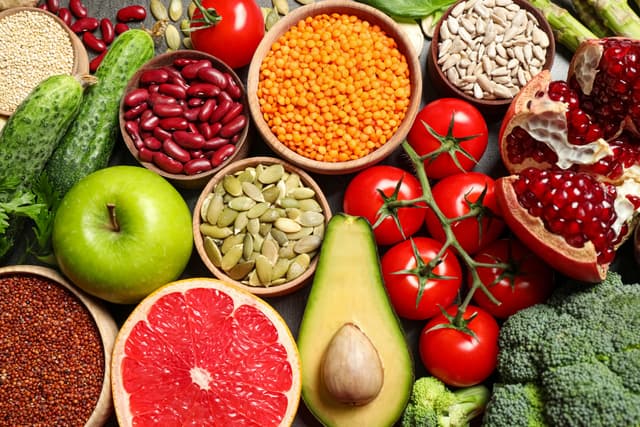
Foods rich in fibre, antioxidants, and healthy fats are beneficial for liver health. These include fruits such as apples and berries, vegetables like leafy greens and broccoli, whole grains such as oats and brown rice, and healthy fats from nuts and seeds. These foods help regulate blood sugar levels, reduce fat storage in the liver, and support digestion and overall metabolic function.
Foods to avoid
Certain foods can promote fat build-up in the liver and should be limited. These include sugary foods such as desserts and sweets, refined carbohydrates like white bread, fried and highly processed foods, and excess intake of saturated fats. High sugar consumption is particularly harmful, as excess sugar is converted into fat and stored in the liver. Reducing intake of such foods can significantly improve liver health over time.
Sample NAFLD meal plan
A simple and sustainable daily meal plan may include oats with fruit and nuts for breakfast, whole grains with vegetables and a source of protein for lunch, fresh fruit or a handful of nuts as a snack, and a light meal with vegetables and balanced nutrients for dinner. This approach helps maintain steady energy levels, prevents overeating, and supports gradual reduction of fat in the liver.
Exercise and lifestyle changes
Physical activity is a vital component in managing Non-Alcoholic Fatty Liver Disease. Regular exercise helps the body utilise stored fat as energy, which directly contributes to reducing fat accumulation in the liver.
Even moderate activities such as walking can improve insulin sensitivity and overall metabolic health. Strength training offers additional benefits by building muscle mass, which in turn supports more efficient fat burning.
Other important lifestyle factors include adequate sleep and effective stress management. Poor sleep and chronic stress can disrupt metabolism and contribute to fat build-up. Notably, regular physical activity has been shown to improve liver health even in the absence of significant weight loss.
Even moderate activities such as walking can improve insulin sensitivity and overall metabolic health.
Monitoring your progress
Monitoring progress is critical to successful NAFLD treatment. This includes keeping track of body weight and waist size, energy levels, eating and exercise habits, and overall well-being. Regular follow-ups will help ensure the condition is improving and not progressing.
Small changes, lasting impact
Treatment for Non-Alcoholic Fatty Liver Disease begins with sustainable lifestyle changes rather than overnight transformations. It is a gradual process of improving daily habits and allowing your body to recover over time.
There is no need for extreme diets or unrealistic workout routines. Instead, consistent, practical choices — such as following a balanced NAFLD-friendly diet, understanding treatment guidelines, and opting for realistic lifestyle modifications — can make a meaningful difference.
In many cases, the most effective results come from small habits practised daily. Over time, these simple, consistent actions can significantly improve liver health and overall well-being.
Frequently Asked Questions
1. What is the best treatment for nonalcoholic fatty liver?
Healthy eating, exercise, and weight management are the most effective approaches. Lifestyle changes decrease the fat in the liver, enhance metabolism, and offer long-term liver health benefits.
2. Is fatty liver 100% curable?
Fatty liver can be reversed at the early stages under regular lifestyle modifications. However, late-stage disease cannot be completely cured and must be managed to prevent further deterioration.
3. How to naturally reduce non-alcoholic fatty liver?
Natural reduction includes healthy nutrition, exercise, maintaining a normal body weight, and decreasing sugar consumption, which in the long run can reduce liver fat.
4. How to reduce fatty liver in 14 days?
With healthy habits, short-term gains can be achieved in two weeks, but longer-lasting results can be achieved only through regular and consistent lifestyle changes over several months.
5. Can lemon juice cure fatty liver?
Fatty liver cannot be cured by lemon juice. Nonetheless, it may be included in a healthy diet that promotes the functioning of the liver and general metabolism in association with lifestyle changes.
Share Article