

 Clinically Reviewed
Bone & Joint Health
The Silent Bone Thief: Rickets in Children Today
Soft bones, bowed legs — rickets isn't just history. This preventable disorder still reshapes children's growing bodies when sunshine and nutrition fall short. How does it happen? Let's explore.
May 5, 2025
•4 min read
Medically reviewed by
Dr Sujata ChakravartiShare Article

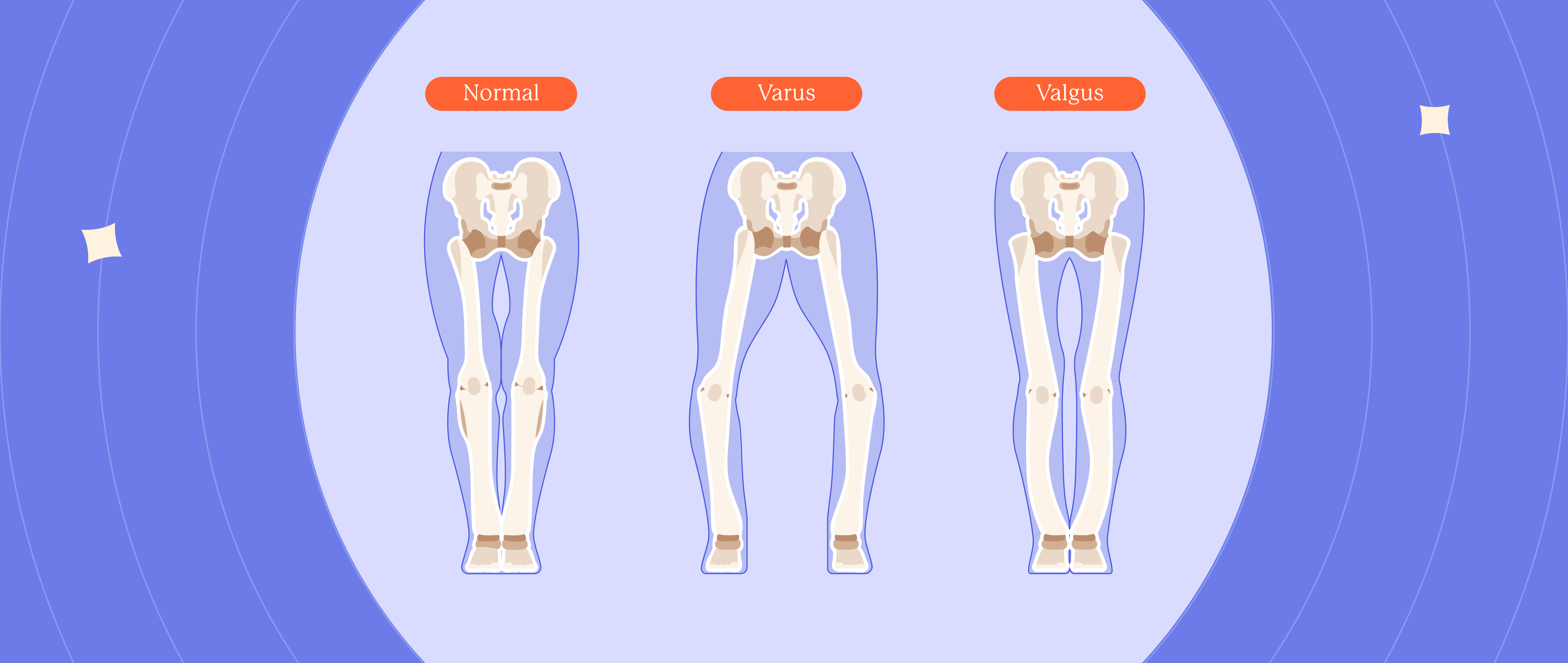
Rickets is a condition that leads to soft and weak bones due to a deficiency in key nutrients like vitamin D, calcium, or phosphate. Without adequate levels of these nutrients, the bones fail to develop properly, especially in children, leading to issues like bowed legs and bone pain. In this blog, we’ll explore the symptoms, causes, and prevention strategies to help you understand and manage rickets.

8.9%
Research conducted in Eastern India revealed that genuine nutritional rickets (NR) affected only 8.9% of the cases studied.
What is rickets?
Rickets is a disorder that occurs when there is a deficiency of vitamin D, calcium, or phosphate, leading to weakened or soft bones. In children, this results in growth abnormalities such as bowed legs, a curved spine, and other skeletal deformities. Vitamin D plays a crucial role in the body by helping it absorb calcium and phosphate, which are essential for maintaining strong, healthy bones.
Research conducted in Eastern India revealed that genuine nutritional rickets (NR) affected only 8.9% of the cases studied. In contrast, children diagnosed with renal tubular acidosis (RTA) showed markedly higher rates of chronic health problems (69%) and excessive urination or polyuria (95.2%).
Symptoms of rickets
The most common symptoms of rickets include:
- Bowed legs or bent arms
- Soft bones that may lead to fractures
- Delayed growth or stunted growth in children
- Bone pain and tenderness
- Muscle weakness or pain
- Enlarged head, wrists, or ankles due to softening of the bones
Rickets can also cause skeletal deformities, such as a curved spine (kyphosis) or a protruding breastbone.
Did You Know?
Kidneys play a role in maintaining proper vitamin D levels, and kidney dysfunction can contribute to rickets
Causes of rickets
Rickets primarily results from a deficiency of:
- Vitamin D: This vitamin is essential for calcium and phosphate absorption. Without sufficient vitamin D, the body cannot properly absorb calcium and phosphate, which weakens bones.
- Calcium deficiency: Calcium is necessary for bone strength and development. A lack of calcium leads to weak and soft bones.
- Phosphate deficiency: Phosphate is important for maintaining strong bone structure, and a deficiency can lead to rickets.
Rickets can also result from:
- Poor nutrition: Inadequate intake of vitamin D, calcium, or phosphate
- Malabsorption issues: Conditions like coeliac disease or Crohn’s disease that impair nutrient absorption
- Chronic kidney disease: Kidneys play a role in maintaining proper vitamin D levels, and kidney dysfunction can contribute to rickets
Who is at risk for developing rickets?
Certain groups are more vulnerable to developing rickets:
- Children: Due to their rapid growth and higher nutrient needs, children are the most common group affected by rickets.
- Breastfed infants: Breast milk is low in vitamin D, so breastfed infants are at a higher risk.
- The elderly: Older adults may have lower levels of vitamin D due to reduced sun exposure and changes in their ability to absorb nutrients.
- Individuals with darker skin: Higher melanin levels reduce the skin’s ability to produce vitamin D from sunlight, making people with darker skin more susceptible to rickets.
- People with limited sun exposure: Vitamin D is synthesised through sun exposure, so those with limited exposure to sunlight, such as individuals who live in northern regions or those who stay indoors often, are at higher risk.
- People with certain medical conditions: Conditions like coeliac disease, Crohn’s disease, or chronic kidney disease can affect nutrient absorption, increasing the risk of rickets.
Prevention of rickets
Preventing rickets primarily focuses on maintaining adequate levels of vitamin D, calcium, and phosphate. Here’s how:
- Adequate vitamin D intake: Ensure you get enough vitamin D through diet. Foods rich in vitamin D include fatty fish, fortified milk, and eggs.
- Calcium-rich diet: Include calcium-rich foods like dairy products (milk, cheese, yogurt), and fortified plant-based alternatives.
- Sun exposure: Spend time in the sun regularly to help your body produce vitamin D. Just 10-30 minutes of sunlight exposure a few times a week can be sufficient for most people.
- Screening high-risk groups: Infants, children, and individuals with medical conditions or limited sun exposure should be regularly monitored for nutrient deficiencies.
Take no risks
Rickets is a preventable condition caused by a deficiency of vitamin D, calcium, or phosphate. It primarily affects children, but certain adults and people with specific risk factors are also vulnerable. Early detection, appropriate treatment, and healthy lifestyle practices, such as ensuring adequate sun exposure and a balanced diet, can help prevent and manage rickets effectively.
Frequently Asked Questions
1. Is rickets harmful?
Rickets can lead to long-term skeletal deformities if left untreated. In severe cases, it can cause lifelong bone weakness and deformities such as bowed legs or a curved spine.
2. At what age does rickets occur?
Rickets typically occurs in infants, children, and adolescents during periods of rapid bone growth. However, adults who are deficient in vitamin D or calcium may also develop rickets.
3. Is rickets genetic?
Rickets is primarily not genetic. It usually results from nutritional deficiencies, but certain genetic conditions affecting vitamin D metabolism can increase the risk.
4. What is type 2 rickets?
Type 2 rickets, also known as vitamin D-resistant rickets, is a rare form of rickets caused by genetic defects in vitamin D receptor pathways, making the body resistant to vitamin D.
5. Do breastfed babies get rickets?
Breastfed infants are at a higher risk of rickets due to lower vitamin D levels in breast milk.
Share Article